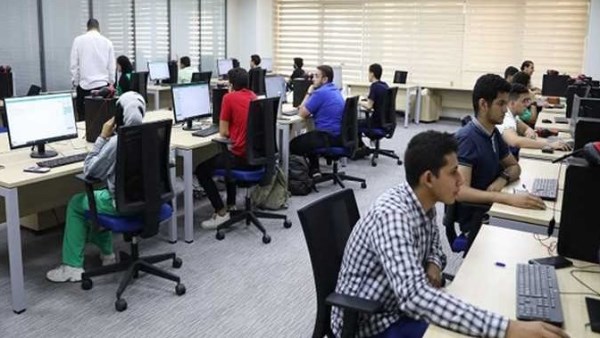
The Abu Dhabi Department of Education and Knowledge (ADEK) has conducted extensive field inspections across private schools in the emirate to assess their readiness for either a return to in-person learning or the continuation of remote education.
The move underscores the authority’s commitment to maintaining uninterrupted education while upholding the highest standards of quality and safety.
Get updated faster and for FREE: Download the Gulf News app now - simply click here.
Specialised inspection teams representing multiple teams reviewed school facilities, technical infrastructure, and operational systems to determine each institution’s ability to implement either learning model. Based on these assessments, some schools have been instructed to continue with remote learning in the coming days due to insufficient readiness for safely receiving students on campus. School administrations will notify parents accordingly via SMS.
Most private schools have confirmed through their official social media platforms that the return to in-person learning will be gradual.
Students whose families can facilitate transportation to school will be allowed to attend physically, while remote learning will remain available for those facing difficulties. This dual-track approach offers flexibility to accommodate varying family circumstances.
Parental input and hybrid models
Parents have also received survey links via text messages to indicate their preferred mode of learning for their children. This feedback is helping schools make informed decisions aligned with students’ best interests. Some institutions have adopted hybrid models, with in-person classes offered from kindergarten through Grade 8, while secondary students continue learning remotely.
ADEK, in collaboration with school administrations, also organized intensive training sessions and meetings to prepare staff for the transition. These efforts aim to ensure educators are fully equipped to handle both in-person and remote teaching scenarios effectively.
School leaders emphasized their commitment to full operational readiness, confirming that facilities meet stringent safety and security standards, alongside ongoing specialized teacher training programs. This comes after three weeks of remote learning since the start of the academic year, reflecting a broader strategy to maintain a flexible and resilient education system.
Strict regulations for nursery operations
Separately, the Ministry of Education has introduced six mandatory regulations governing nursery operations during the phased return to in-person learning next week. These measures are designed to safeguard children while ensuring the continuity of care and educational services.
Key rules include restricting child drop-off and pick-up strictly to external gates, banning entry for visitors and suppliers, and prohibiting all internal events or gatherings. Parents’ time on-site must be minimized to essential needs only.
Nurseries are also required to maintain updated daily records detailing each child’s information, guardian details, and precise attendance times. Compliance with approved staff-to-child ratios is mandatory to ensure effective evacuation procedures and adequate care.
Continuous supervision of children is compulsory, with strict prohibition against leaving any child unattended under any circumstances. Additionally, nurseries must provide dedicated evacuation trolleys for infants, ready for immediate use in emergencies. Staff must also be fully aware of parents’ contact details to enable rapid response when needed.
Gradual return across educational institutions
The Ministry of Education has confirmed a phased resumption of in-person learning across nurseries, kindergartens, and both public and private schools nationwide. The first phase includes select nurseries operating within government entities and commercial buildings, while others may continue offering home-based care services under approved guidelines.
Educational institutions are permitted to combine in-person and remote learning, provided that each class group follows a single unified model. Resuming in-person education requires prior approval from relevant authorities and full compliance with all mandatory requirements.
School transport services will remain suspended during the initial phase until further notice.
To strengthen communication, the ministry has emphasized the importance of keeping parents fully informed of all regulations and responsibilities. Schools must also provide clear emergency communication channels and obtain signed consent forms from parents or guardians who opt for their children’s return to in-person learning.