A Structured Partnership Takes Shape: The Second Session of the Syrian-Jordanian Higher Coordination Council
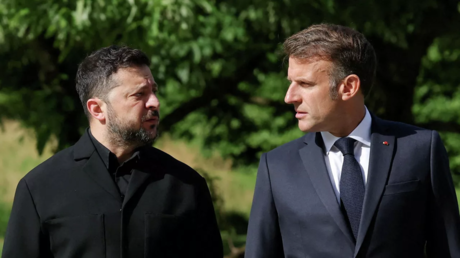
المصدر: The Syrian Observer | Source: The Syrian ObserverThe conclusion of the second session of the Syrian-Jordanian Higher Coordination Council in Amman marks a significant consolidation of bilateral relations. The meeting produced nine substantive agreements designed to integrate essential national sectors, reflecting a shared determination to move from episodic cooperation toward a durable, institutionalized partnership. Presided over by Foreign Ministers Assad Hassan al-Shaibani and Ayman Safadi, the session signaled a new phase in the political and economic alignment of the two neighboring states.
The Architecture of Integration: Nine Pillars of Cooperation
The memoranda signed during the session reveal a comprehensive vision for state-to-state coordination. By spanning nineteen sectors, the two governments have established a framework for synchronized development across key domains:
- Commercial and Industrial Synergy: Harmonizing trade policies and industrial standards to ease the movement of goods and capital.
- Social and Educational Advancement: Expanding cooperation in higher education, social affairs, and tourism to deepen cultural and intellectual exchange.
- Governance and Infrastructure: Strengthening judicial collaboration and modernizing essential services, including postal operations and digital payment systems.
- Religious and Media Affairs: Coordinating efforts in religious endowments and information exchange to reinforce a coherent regional narrative.
An Institutional Framework for the Future
Established in May 2025, the Higher Coordination Council has become the central mechanism driving this rapprochement. The scale of the current session—featuring 131 delegates—reflects the political weight both Damascus and Amman assign to this platform. The council’s mandate extends beyond dialogue. Its semi-annual meetings are designed to ensure that policy coordination is translated into measurable outcomes through specialized committees tasked with implementation.
This ministerial summit transforms the historical and geographic proximity of Syria and Jordan into a strategic asset. As committees begin executing the nine agreements, attention turns to building a resilient regional corridor that advances the economic and security interests of both nations. The forthcoming third session in Damascus is expected to reinforce this trajectory, marking a shift away from ad-hoc diplomacy toward a stable, integrated partnership.
This article was translated and edited by The Syrian Observer. The Syrian Observer has not verified the content of this story. Responsibility for the information and views set out in this article lies entirely with the author.
The post A Structured Partnership Takes Shape: The Second Session of the Syrian-Jordanian Higher Coordination Council first appeared on The Syrian Observer.
ملاحظة تحريرية | Editorial Note: نُشر هذا المقال في الأصل بواسطة The Syrian Observer. خبر (Khabr) هي منصة إعلامية أردنية مرخّصة تعمل بالذكاء الاصطناعي. نضيف قيمة تحريرية من خلال: تحليل ذكي للأخبار، ملخصات تلقائية، رواية صوتية بالذكاء الاصطناعي، ترجمة متعددة اللغات، وتدقيق الحقائق. هدفنا جعل الأخبار أكثر وضوحاً وسهولةً للقارئ العربي.
This article was originally published by The Syrian Observer. Khabr is a licensed Jordanian AI-powered news platform (Registration #82086). We add editorial value through: AI-powered news analysis, automated summaries, AI audio narration, multi-language translation (Arabic, English, French, Turkish), and AI fact-checking. Our mission is to make news more accessible and understandable for Arabic-speaking audiences worldwide.