⚡ عاجل: كريستيانو رونالدو يُتوّج كأفضل لاعب كرة قدم في العالم●⚡ أخبار عاجلة تتابعونها لحظة بلحظة على خبر●⚡ تابعوا آخر المستجدات والأحداث من حول العالم●
AI اقتراحات ذكية
AI مباشر|--مشاهد مباشر
911,854مقال401مصدر نشط228قناة مباشرة4,602خبر اليوم
آخر تحديث:منذ 6 ثواني
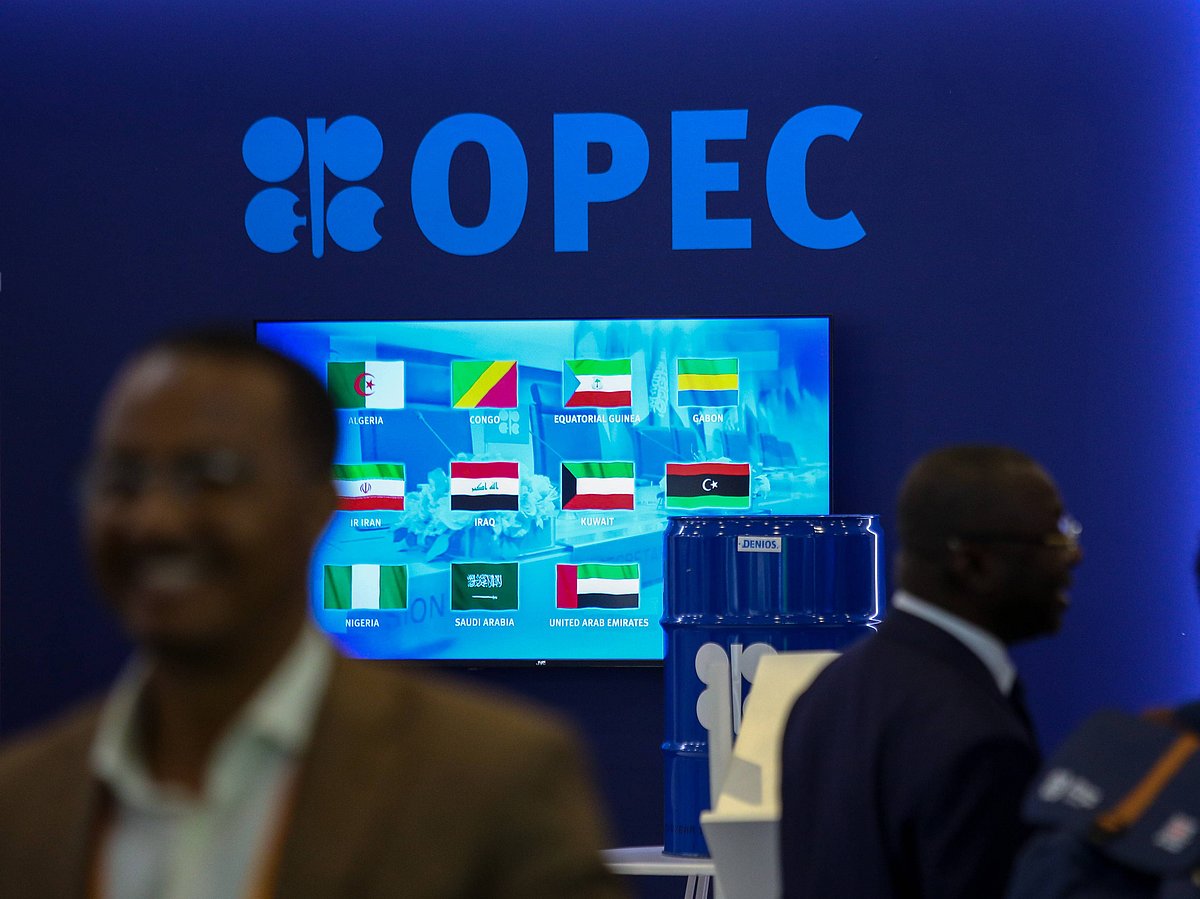
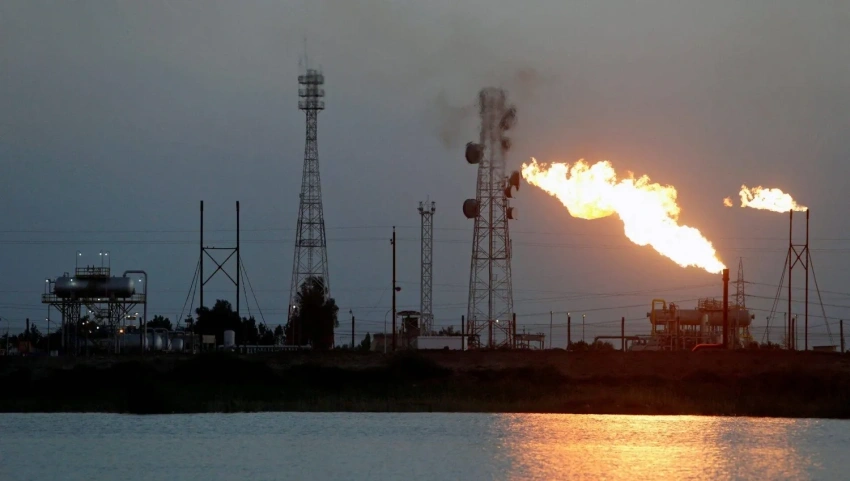
5 reasons why UAE’s exit from OPEC, OPEC+ is big for world markets, oil prices
•Dubai: The UAE's decision to exit the Organization of the Petroleum Exporting Countries and the wider OPEC+ alliance from May 1, 2026 ends nearly six decades of participation in coordinated oil produc...
•Alongside major Gulf producers, it has contributed to output from the Middle East, which accounts for about 30% of global oil supply.UAE Energy Minister Suhail Mohamed al-Mazrouei told Reuters the dec...
•End of quota-based productionLeaving OPEC and OPEC+ removes the UAE from collective output agreements.The country will no longer operate under production quotas set by the group.
هذا الخبر من Gulf News. خبر يقدم أدوات ذكاء اصطناعي للتلخيص والترجمة والاستماع.
Get updated faster and for FREE: Download the Gulf News app now - simply click here.
The country joined OPEC in 1967 through Abu Dhabi and remained a member after the federation was formed in 1971. Alongside major Gulf producers, it has contributed to output from the Middle East, which accounts for about 30% of global oil supply.
UAE Energy Minister Suhail Mohamed al-Mazrouei told Reuters the decision followed “a careful look at current and future policies related to level of production” and was taken independently.
“In many ways, the main surprise regarding today's announcement that the UAE will quit both OPEC, and OPEC+, from the start of May, is in its timing, as opposed to its substance,” said Michael Brown, Senior Research Strategist at Pepperstone.
1. End of quota-based production
Leaving OPEC and OPEC+ removes the UAE from collective output agreements.
The country will no longer operate under production quotas set by the group. Instead, it will determine output levels based on its own capacity and market conditions.
The UAE has said it plans to raise production capacity from about 3.4 million barrels per day to 5 million barrels per day by 2027.
Brown said the UAE’s dissatisfaction with OPEC quotas had been evident publicly, with limits seen as constraining infrastructure investment and production expansion.
2. Greater flexibility in supply decisions
Operating outside the alliance allows the UAE to adjust production without coordinating with other producers.
The government said additional supply would be brought to market gradually, aligned with demand and prevailing conditions.
Mazrouei told Reuters the move was a policy decision and not the result of consultations with other countries.
“Though the UAE have pledged to ‘gradually’ increase production after their departure, it goes without saying that actually doing so at present is somewhere between difficult, and impossible,” Brown said.
The UAE’s decision to exit from OPEC reflects a policy-driven evolution aligned with long-term market fundamentals. We thank OPEC and its member countries for decades of constructive cooperation. We remain committed to energy security, providing reliable, responsible, and…
OPEC and OPEC+ have historically managed oil supply during periods of volatility.
Recent data showed OPEC production fell 27% to 20.79 million barrels per day in March after a disruption removed 7.88 million barrels per day from supply. The decline exceeded cuts seen during the COVID-19 demand shock in 2020, as well as earlier supply disruptions in the 1970s and 1991.
The UAE’s exit reduces the number of producers participating in coordinated output decisions.
“While, undoubtedly, a pivotal event for the global energy market, the near-term implications of the move are likely to be relatively limited,” Brown said.
4. Alignment with domestic economic strategy
The move comes as the UAE continues to diversify its economy.
Non-oil sectors account for about 75% of gross domestic product, while the country continues to invest in expanding oil and gas capacity alongside renewables and low-carbon energy.
The government said the decision reflects its evolving energy profile and long-term strategy.
Brown said the UAE’s pre-conflict output target of 5 million barrels per day by 2027 could become more achievable outside OPEC constraints once regional conditions stabilise.
5. Regional and geopolitical context
The exit follows that of Qatar, which left OPEC in 2019. Other Gulf producers such as Bahrain and Oman remain outside OPEC but have aligned with its supply management efforts.
The decision also comes as producers face challenges in shipping exports through the Strait of Hormuz, a key route for global energy flows. Mazrouei told Reuters the exit would not have a significant impact on the market given current conditions in the Strait.
“As the US-Iran conflict continues, and the Strait of Hormuz remains impassable, the most significant issue for the crude market is not production, but actually shipping product to where it is needed,” Brown said. “At present, it's essentially shut, tightening supply conditions day-by-day.”
The UAE said it will continue engaging with producers and consumers while operating outside OPEC and OPEC+.
ملاحظة تحريرية | Editorial Note:
نُشر هذا المقال في الأصل بواسطة Gulf News.
خبر (Khabr) هي منصة إعلامية أردنية مرخّصة تعمل بالذكاء الاصطناعي.
نضيف قيمة تحريرية من خلال: تحليل ذكي للأخبار، ملخصات تلقائية، رواية صوتية بالذكاء الاصطناعي، ترجمة متعددة اللغات، وتدقيق الحقائق.
هدفنا جعل الأخبار أكثر وضوحاً وسهولةً للقارئ العربي.
This article was originally published by Gulf News.
Khabr is a licensed Jordanian AI-powered news platform (Registration #82086).
We add editorial value through: AI-powered news analysis, automated summaries, AI audio narration, multi-language translation (Arabic, English, French, Turkish), and AI fact-checking.
Our mission is to make news more accessible and understandable for Arabic-speaking audiences worldwide.
هذا الخبر ضمن تغطية خبر لقسم اقتصاد.
نقدّم لك تحليلات ذكية وملخصات يومية لأهم الأخبار من مصادر موثوقة متعددة.
المصدر: Gulf News.
يوجد 6 مقالات مرتبطة بهذا الموضوع.
This article is part of Khabr's coverage of Economy.
We provide AI-powered analysis, summaries, and multi-source aggregation to keep you informed.
Source: Gulf News.
Tags: UAE, OPEC, oil prices.
🍪 نستخدم ملفات تعريف الارتباط لتحسين تجربتك وعرض الإعلانات المخصصة. باستخدامك للموقع، فإنك توافق على سياسة ملفات تعريف الارتباط وسياسة الخصوصية.
We use cookies to enhance your experience and show personalized ads. By using this site, you agree to our Cookie Policy and Privacy Policy.
🔍
FREEFree 1GB Internet + Free International Calls
$1 trial — eSIM in 190+ countries — No roaming charges