3 months, 21 dead gray whales: Why so many carcasses are washing up on Pacific shores
•Environment3 months, 21 dead gray whales: Why so many carcasses are washing up on Pacific shoresMany of the dead whales have appeared thin and weak.
•Researchers think there’s a problem with their food supply in the Arctic — a result of melting ice.Listen to this article with a free account00:0000:00A dead gray whale in Oak Harbor, Wash., on May 18...
•Since March, 21 whales have turned up dead along the shoreline, according to research biologist John Calambokidis.Subscribe to read this story ad-free Get unlimited access to ad-free articles and excl...
هذا الخبر من NBC News. خبر يقدم أدوات ذكاء اصطناعي للتلخيص والترجمة والاستماع.
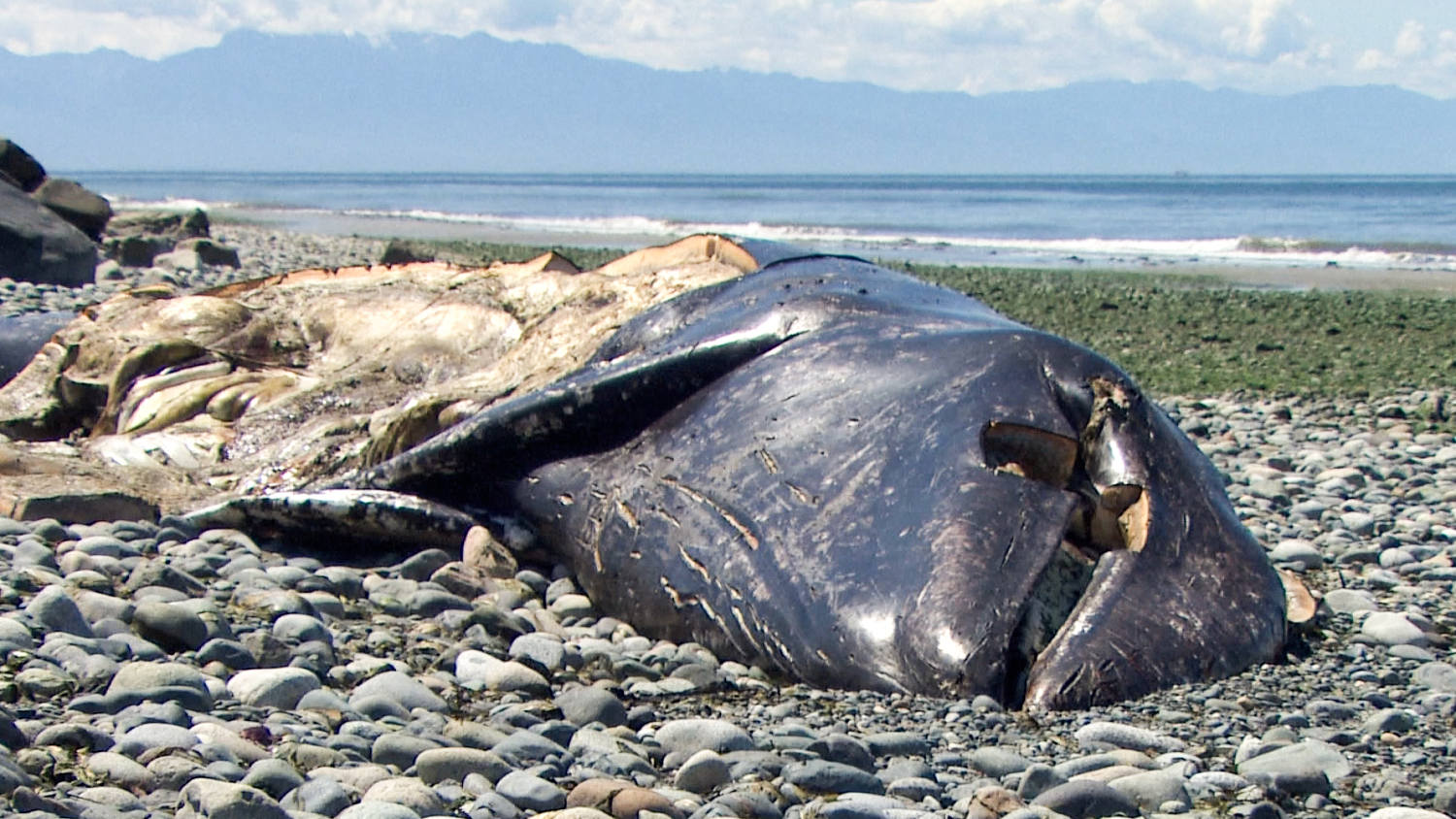
Environment3 months, 21 dead gray whales: Why so many carcasses are washing up on Pacific shoresMany of the dead whales have appeared thin and weak. Researchers think there’s a problem with their food supply in the Arctic — a result of melting ice.Listen to this article with a free account00:0000:00A dead gray whale in Oak Harbor, Wash., on May 18.KING-TVShareAdd NBC News to GoogleMay 25, 2026, 8:00 AM EDTBy Evan BushDead, emaciated gray whales have been washing up on Washington state shores at a shocking pace over the last few months. Since March, 21 whales have turned up dead along the shoreline, according to research biologist John Calambokidis.Subscribe to read this story ad-free Get unlimited access to ad-free articles and exclusive content.“I am alarmed,” he said. Calambokidis, the founder of the Cascadia Research Collective, has studied gray whales for decades. The species had come to represent one of the most impressive conservation turnarounds in history — until recently. Over the last seven years, Calambokidis said, gray whale populations have suffered a “precipitous decline.” Many of the dead whales have appeared thin and weak. Some exhibited strange behavior before they died, like apparent navigational problems, which could have been a result of their poor condition. Scientists said the plight of gray whales is an example of how global warming is triggering effects — in this case the decline of sea ice — that seem distant but have far-ranging consequences.“We know it’s a food supply issue,” Calambokidis said. “We know the Arctic has gone through dramatic changes because of climate change.” He and other researchers think changes in sea ice have fueled a chain of events that are decreasing the availability of the whales’ favorite prey in the region.“They are very sensitive to these environmental conditions,” said Josh Stewart, an assistant professor at Oregon State University’s Marine Mammal Institute, who has led research into the whales’ decline. “I don’...المصدر: NBC News | Source: NBC News
ملاحظة تحريرية | Editorial Note: نُشر هذا المقال في الأصل بواسطة NBC News. خبر (Khabr) هي منصة إعلامية أردنية مرخّصة تعمل بالذكاء الاصطناعي. نضيف قيمة تحريرية من خلال: تحليل ذكي للأخبار، ملخصات تلقائية، رواية صوتية بالذكاء الاصطناعي، ترجمة متعددة اللغات، وتدقيق الحقائق. هدفنا جعل الأخبار أكثر وضوحاً وسهولةً للقارئ العربي.
This article was originally published by NBC News. Khabr is a licensed Jordanian AI-powered news platform (Registration #82086). We add editorial value through: AI-powered news analysis, automated summaries, AI audio narration, multi-language translation (Arabic, English, French, Turkish), and AI fact-checking. Our mission is to make news more accessible and understandable for Arabic-speaking audiences worldwide.