⚡ عاجل: كريستيانو رونالدو يُتوّج كأفضل لاعب كرة قدم في العالم●⚡ أخبار عاجلة تتابعونها لحظة بلحظة على خبر●⚡ تابعوا آخر المستجدات والأحداث من حول العالم●
AI اقتراحات ذكية
AI مباشر|--مشاهد مباشر
836,860مقال403مصدر نشط224قناة مباشرة5,986خبر اليوم
آخر تحديث:منذ 0 ثانية
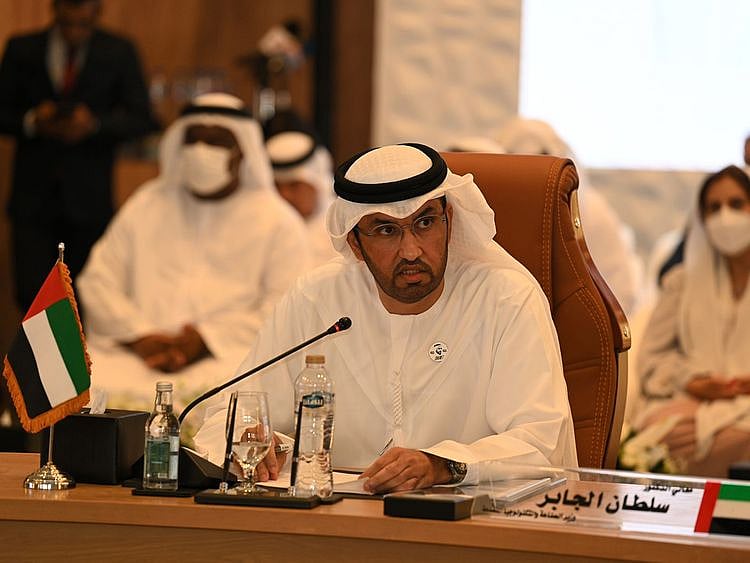
22 ships hit, 800 stranded in Hormuz, Al Jaber warns of supply shock
Dubai: Fresh figures shared on Sunday by Dr Sultan Ahmed Al Jaber point to a sharp escalation in disruptions across the Strait of Hormuz, with at least 22 ships attacked, 10 crew members killed and close to 800 commercial vessels now stranded, including almost 400 oil tankers.
Sign up for our daily business newsletter, Cheques & Balances.
Since February 28:
* At least 22 ships have been attacked * 10 crew members have been killed * Around 20,000 seafarers are unable to transit safely * An estimated 800 commercial vessels are stranded, including almost 400 tankers
Around 20,000 seafarers are currently unable to transit safely through the corridor, which carries more than a fifth of globally traded energy.
The latest figures, published on social media platform X, provides the clearest snapshot yet of the scale of disruption building across one of the world’s most critical trade routes.
Get updated faster and for FREE: Download the Gulf News app now - simply click here.
Scale of disruption
In his latest remarks on Sunday, Al Jaber framed the situation in direct terms, pointing to both the human toll and the growing backlog of vessels.
“The Strait of Hormuz has never been Iran’s to close or restrict,” he said. “Any attempt to do so is not a regional issue; it is the disruption of a global economic lifeline and a direct threat to the energy, food and health security of every nation.”
He described the situation as illegal and dangerous, warning that setting such a precedent would carry global consequences.
“The world simply cannot afford it and must not allow it.”
The figures shared reflect a system under strain, with shipping flows slowing and vessels unable to clear the corridor at normal pace.
“This moment requires clarity. So let’s be clear: the Strait of Hormuz is not open,” he said.
“Access is being restricted, conditioned and controlled.”
He argued that such conditions effectively shift the nature of the passage from open transit to controlled access, raising concerns over the integrity of global shipping routes.
“Conditional passage is not passage. It is control by another name.”
Gap between markets and reality widens
The Thursday remarks also highlighted a growing disconnect between market expectations and physical supply.
Cargoes that moved before the escalation are now arriving at their destinations, while new shipments remain delayed, creating a visible gap in energy flows.
“This is where the paper traded markets are meeting physical reality, and the 40-day gap in global energy flows is truly exposed,” he said.
An estimated 230 vessels remain loaded with oil and ready to sail, waiting for safe passage through the Strait.
Pressure building on global supply chains
With about 20% of global energy flows passing through the Strait, any sustained restriction feeds directly into supply tightness and price pressure.
“Every day the Strait remains restricted, the consequences compound. Supply is delayed, markets tighten, prices rise,” he said.
The impact extends beyond energy markets, with potential knock-on effects across food systems, manufacturing and household costs worldwide.
Asia remains particularly exposed, with roughly 80% of shipments from the Strait bound for the region.
“The immediate priority is clear: close that gap. Restore the more than 20% of globally traded energy that flows through this corridor,” he said.
He added that energy producers, including ADNOC, are preparing to restore production and shipments within operational constraints, while prioritising safety.
“Energy security and global economic stability depend on it.”
ملاحظة تحريرية | Editorial Note:
نُشر هذا المقال في الأصل بواسطة Gulf News.
خبر (Khabr) هي منصة إعلامية أردنية مرخّصة تعمل بالذكاء الاصطناعي.
نضيف قيمة تحريرية من خلال: تحليل ذكي للأخبار، ملخصات تلقائية، رواية صوتية بالذكاء الاصطناعي، ترجمة متعددة اللغات، وتدقيق الحقائق.
هدفنا جعل الأخبار أكثر وضوحاً وسهولةً للقارئ العربي.
This article was originally published by Gulf News.
Khabr is a licensed Jordanian AI-powered news platform (Registration #82086).
We add editorial value through: AI-powered news analysis, automated summaries, AI audio narration, multi-language translation (Arabic, English, French, Turkish), and AI fact-checking.
Our mission is to make news more accessible and understandable for Arabic-speaking audiences worldwide.
هذا الخبر ضمن تغطية خبر لقسم اقتصاد.
نقدّم لك تحليلات ذكية وملخصات يومية لأهم الأخبار من مصادر موثوقة متعددة.
المصدر: Gulf News.
يوجد 6 مقالات مرتبطة بهذا الموضوع.
This article is part of Khabr's coverage of Economy.
We provide AI-powered analysis, summaries, and multi-source aggregation to keep you informed.
Source: Gulf News.
Tags: shipping, Hormuz, supply chain.
🍪 نستخدم ملفات تعريف الارتباط لتحسين تجربتك وعرض الإعلانات المخصصة. باستخدامك للموقع، فإنك توافق على سياسة ملفات تعريف الارتباط وسياسة الخصوصية.
We use cookies to enhance your experience and show personalized ads. By using this site, you agree to our Cookie Policy and Privacy Policy.
FREEFree 1GB Internet + Free International Calls
$1 trial — eSIM in 190+ countries — No roaming charges