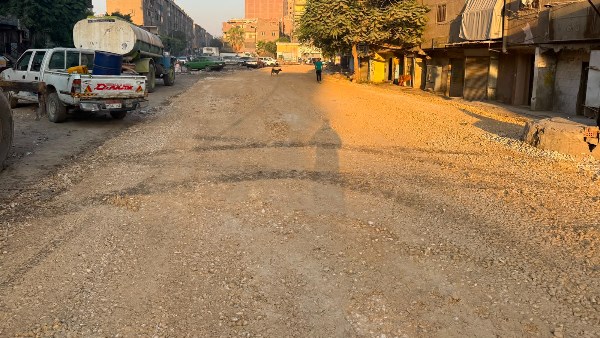
By PERKIN AMALARAJ, FOREIGN NEWS REPORTER Published: 08:30, 7 August 2026 | Updated: 08:35, 7 August 2026 The carcass of one elephant lies on a dusty road, while another has been almost completely eaten by scavengers, leaving just the skull. They are among 15 elephants that died of suspected cyanide poisoning in Kenya's Amboseli National Park after eating tomatoes in nearby farms. Investigations are ongoing into how cyanide found its way to an ecosystem where wild and domestic animals coexist and farms grow tomatoes and onions, but growers are disputing claims that cyanide from their tomatoes killed the elephants. The elephant deaths and disputes about the cause have intensified concerns over growing human-wildlife conflict in the region due to expanding agricultural activities near Amboseli park. Kenya has until recently been widely recognized for rebuilding its elephant population from historic lows to more than 36,000 individuals by reducing poaching and protecting elephants. Elvis Muchai has farmed on the edge of Amboseli for two decades. In all that time, he said, he has never heard of farmers poisoning wildlife. That is why he was sceptical of reports last month that the 15 elephants had died from suspected cyanide poisoning after consuming tomatoes believed to have been contaminated with the chemical. Muchai, who farms tomatoes in Kimana area, said local communities have long coexisted with elephants despite suffering repeated crop losses when the animals cross the park's electric fence and raid farms, particularly during the dry season. 15 elephants have been killed in a suspected cyanide poisoning 'We are used to the animals eating from our farms,' he said. Last month, the Kenya Wildlife Service announced that 15 elephants had died in the Amboseli ecosystem in a span of a month. Preliminary laboratory tests detected cyanide, while postmortem examinations found tomatoes in the animals' stomachs. The head of veterinary services at Kenya's wildlife agency, Dr. Isaac Lekolool, said the elephants had shown signs of 'paralysis and difficulty breathing' before they died. Initial tests pointed to cyanide poisoning, although further laboratory tests are being done to determine the concentration of cyanide. 'We are yet to find out where this cyanide came from,' Lekolool said, adding that the elephants had also consumed watermelons. He urged caution over the handling and use of pesticides on farms. Kimana, which borders Amboseli, is one of Kenya's most productive agricultural areas, growing tomatoes, onions and French beans that are transported to markets in the capital, Nairobi. The samples tested for toxic chemicals were obtained from the elephants' stomach contents and the analysis of blood samples is ongoing, Dr. Lekolool said. He disputed earlier claims that cyanide, which is regulated by the government for use in mining, may have been present in the park due to illegal mining. Kenya has until recently been widely recognized for rebuilding its elephant population Kimana, which borders Amboseli, is one of Kenya's most productive agricultural areas Farms have expanded near the park and conflict between people and elephants remains the second leading cause of deaths after poaching, according to Kenya's National Elephant Plan. Between 2000 and 2020, at least 1,160 elephants died in incidents linked to self-defence or retaliatory killings as communities sought to protect their crops, property and lives, the Plan notes. But Duncan Juma, communications director of Kenya's wildlife service, ruled out human-wildlife conflict in the death of the elephants, saying 'the community loves these animals.' The International Fund for Animal Welfare, or IFAW, said the recent suspected cyanide poisoning highlights the urgent need to tackle the underlying causes of human-wildlife conflict. 'As people and elephants increasingly share space, protecting wildlife and safeguarding communities' livelihoods must go hand in hand,' IFAW wrote in a statement. IFAW's East Africa Director Ben Wandago said the reported cyanide poisoning must be 'urgently and thoroughly investigated' and recommended that coexistence solutions to protect communities living near the park be implemented. 'This tragedy also underscores the urgent need for the strict control and responsible handling of highly toxic substances to prevent them from entering the natural environment,' he said. Farmers are doubtful that the cyanide could have originated from commonly used agricultural inputs. Between 2000 and 2020, at least 1,160 elephants died in incidents linked to self-defence or retaliatory killings Investigations are ongoing into how cyanide found its way to an ecosystem where wild and domestic animals coexist and farms grow tomatoes and onions Muchai said he has never encountered cyanide among the pesticides or chemicals sold to farmers in the area and insisted that products available on the market are regulated by the Kenyan government. 'The chemical they are talking about, we've never seen it or heard of it here,' he said. Last season alone, Muchai said elephants destroyed about half an acre of his tomato crop, costing him an estimated 500,000 Kenya shillings (£2,867). 'We have lived with these animals for years. They eat our crops, and many of us have never received compensation,' he said. Another farmer, Rymondy Mrosso, also questioned whether pesticides used by local farmers could explain the deaths and wondered why only elephants appeared to have been affected. 'We have goats, cows and other wildlife such as gazelles that also feed in these areas,' he said. 'If the crops were poisoned, why were only the elephants affected?'
المصدر: Daily Mail
| Source: Daily Mail
ملاحظة تحريرية | Editorial Note:
نُشر هذا المقال في الأصل بواسطة Daily Mail.
خبر (Khabr) هي منصة إعلامية أردنية مرخّصة تعمل بالذكاء الاصطناعي.
نضيف قيمة تحريرية من خلال: تحليل ذكي للأخبار، ملخصات تلقائية، رواية صوتية بالذكاء الاصطناعي، ترجمة متعددة اللغات، وتدقيق الحقائق.
هدفنا جعل الأخبار أكثر وضوحاً وسهولةً للقارئ العربي.
This article was originally published by Daily Mail.
Khabr is a licensed Jordanian AI-powered news platform (Registration #82086).
We add editorial value through: AI-powered news analysis, automated summaries, AI audio narration, multi-language translation (Arabic, English, French, Turkish), and AI fact-checking.
Our mission is to make news more accessible and understandable for Arabic-speaking audiences worldwide.