Introduction to Arabic Cuisine
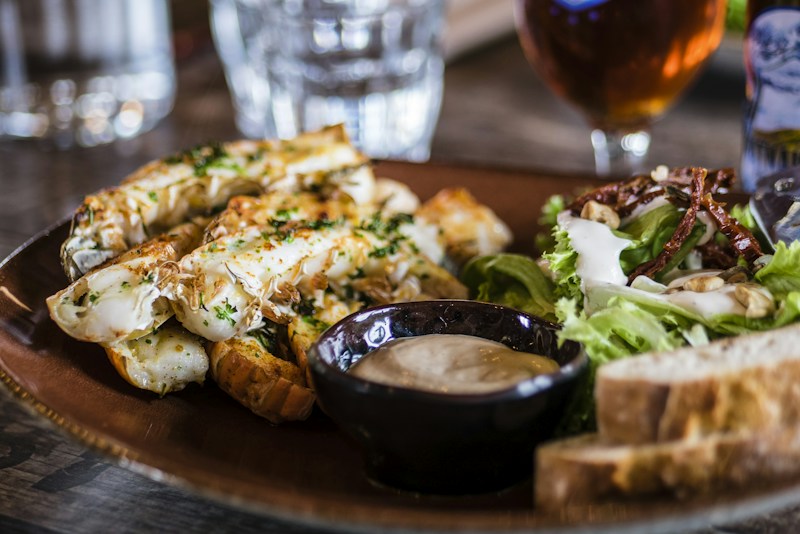
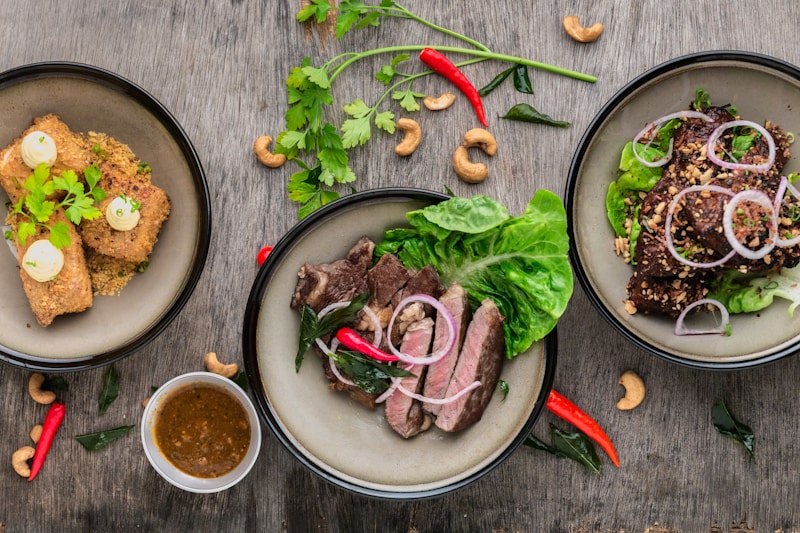
Arabic cuisine is a vibrant tapestry of flavors, colors, and traditions. It reflects centuries of history, cultural exchanges, and regional diversity, making it incredibly appealing to food lovers around the globe. From the spicy warmth of harissa to the sweet scent of rosewater, these dishes tell stories that are as rich as their tastes.
The Allure of Arabic Flavors
With a variety of spices and fresh ingredients, Arabic food is not only delectable but also packed with health benefits. Renowned for its use of olive oil, whole grains, and plenty of herbs, the Mediterranean diet, which includes many Arabic dishes, has been linked to longevity and improved health. According to the Mediterranean Diet Foundation, this approach to eating can lower the risk of heart disease and improve brain function.
Top 10 Must-Try Arabic Recipes
Hummus
This creamy dip made from blended chickpeas, tahini, olive oil, and lemon juice is a staple in Arabic cuisine. Rich in protein and fiber, hummus can boost your appetite control while providing essential nutrients.
Falafel
These deep-fried balls of ground chickpeas or fava beans are not only crispy and delicious but also a great source of plant-based protein. Pair them with a tangy tahini sauce, and you’ve got a flavorful meal.
Tabbouleh
A refreshing salad loaded with parsley, tomatoes, mint, and bulgur, tabbouleh is brimming with vitamins and minerals. It's a perfect example of how taste and health can go hand in hand!
Shawarma
This savory dish features marinated meat, usually lamb, chicken, or beef, that is slow-cooked on a rotating spit. When served with garlic sauce and fresh vegetables, it’s an adventurous meal that excites the palate.
Baba Ghanoush
A smoky eggplant dip, baba ghanoush has a unique flavor profile thanks to its roasted ingredients. This dish is rich in fiber and antioxidants, making it both delicious and nutritious.
Kibbeh
Often considered the national dish of the Levant, kibbeh consists of bulgur, minced onions, and finely ground lean meat. Its versatility allows it to be served raw, baked, or fried, each method offering a distinct taste.
Stuffed Grape Leaves (Dolma)
These vine leaves stuffed with rice, pine nuts, and herbs exude a delicate balance of flavors that resonate with tradition. They are a perfect example of how Arabic food wraps history and culture in every bite.
Mint Tea
Sweetened and fragrant, this beverage is an essential part of Arabic hospitality. Packed with antioxidants, it’s not only refreshing but can also aid digestion.
Baklava
This beloved pastry, with its layers of phyllo dough, nuts, and honey, is a divine dessert that reflects the sweet side of Arabic cuisine. It’s a treat that truly satisfies the craving for something indulgent.
Fattoush
A crunchy salad bursting with fresh vegetables and toasted bread, fattoush is not only a feast for the eyes but also a low-calorie option for health-conscious eaters. Its zesty dressing adds an invigorating kick.
Understanding the Cultural Significance
Each Arabic dish carries a tale, often rooted in tradition and collective memory. These meals are frequently enjoyed communally, symbolizing hospitality and a sense of belonging, making them even more cherished. According to the Arab Culinary Heritage Foundation, the growing global interest in Arabic cuisine underscores the importance of preserving these culinary traditions for future generations.
Practical Tips for Cooking Arabic Food
- Fresh Ingredients: Always opt for the freshest produce and spices; they make a significant difference in flavor.
- Spice Blends: Familiarize yourself with common spices like za'atar and sumac; they can elevate any dish.
- Experiment: Don't hesitate to modify recipes to suit your taste; the richness of Arabic cuisine lies in its adaptability.
- Kitchen Tools: Invest in a good-quality food processor for dips and a heavy-duty skillet for frying.
Conclusion
With their rich flavors and diverse offerings, it’s no wonder that Arabic dishes have captivated taste buds far and wide. So why not embark on your own culinary journey today by trying out these delightful recipes? The world of Arabic cuisine is waiting to be explored and loved!