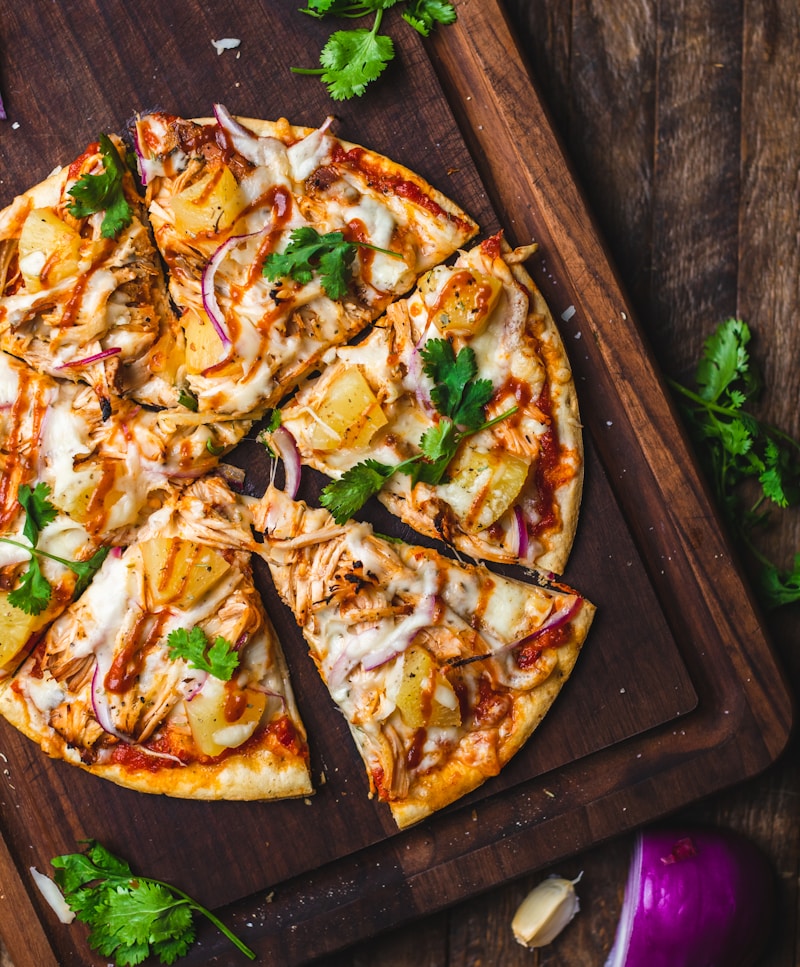
Introduction to the Magic of Arabic Cuisine
Arabic food is an exquisite tapestry woven with rich spices, colorful ingredients, and centuries-old culinary traditions. As global palates expand, dishes like Hummus and Tabbouleh have not merely gained popularity; they've become staples in kitchens around the world, captivating food lovers with their aromas and ingredients.
The Allure of Arabic Flavors
Imagine the fragrant scent of sumac, the warm embrace of cumin, and the zesty kick of fresh herbs. These flavors are not only delightful but also offer numerous health benefits. For example, chickpeas in hummus provide plant-based protein and fiber, supporting heart health and aiding digestion.
Top 10 Arabic Recipes You Must Try
- Hummus - This creamy dip made from chickpeas, tahini, and olive oil is the ultimate comfort food. It's rich in protein and can help reduce cholesterol levels.
- Tabbouleh - Bursting with fresh parsley, mint, tomatoes, and bulgur, this salad is a refreshing side rich in vitamins K and C. It's low in calories but high in flavor!
- Falafel - Crispy on the outside, tender on the inside, and made from ground chickpeas, falafel is a vegan delight packed with protein and fiber.
- Shawarma - This Middle Eastern sandwich features marinated meats cooked on a vertical spit. Topped with garlic sauce and veggies, it's a hearty meal bursting with flavor.
- Stuffed Grape Leaves (Dolma) - These tender grape leaves are filled with rice, herbs, and sometimes meat. High in antioxidants, they are a must-try appetizer.
- Baba Ghanoush - A smoky eggplant dip that’s both creamy and earthy, baba ghanoush is rich in vitamins and offers a unique flavor experience.
- Fattoush - A vibrant salad featuring crispy bread, mixed greens, and tangy sumac dressing, fattoush is a refreshing dish that’s bursting with nutrients.
- Kebabs - Grilled meat skewers that are marinated with spices, kebabs are rich in protein and can be served with a variety of dips or salads.
- Saffron Rice - This aromatic side dish pairs perfectly with grilled meats and is infused with the golden touch of saffron, known for its antioxidant properties.
- Baklava - A decadent dessert made of layers of phyllo pastry, nuts, and honey, baklava is not only a sweet treat but also contains heart-healthy fats from nuts.
Cooking Tips to Elevate Your Arabic Culinary Skills
- Quality Ingredients: Use fresh herbs and spices for maximum flavor. The quality of your ingredients can make or break your dish.
- Embrace Authenticity: When possible, stick to traditional recipes before adding your own twist. Understanding the base will help you innovate.
- Explore Spices: Don't be afraid to experiment with different spices. Ingredients like harissa or baharat can elevate your dishes to new heights.
- Presentation Matters: Arabic dishes are often a feast for the eyes. Use colorful toppings and garnishes to make your creations pop.
Why Arabic Food is Taking the World by Storm
According to recent statistics, Arabic cuisine has seen a 50% increase in popularity among foodies worldwide over the last five years. The rise of health consciousness and plant-based eating has amplified the allure of these recipes, particularly those rich in legumes, vegetables, and whole grains.
Conclusion
As the world falls in love with Arabic food, it’s clear that these recipes are more than just delicious; they also tell a story of culture and tradition. So why wait? Dive into these flavors and experience the joy that Arabic cuisine has to offer!