Women’s Representation Bill is about redefining power
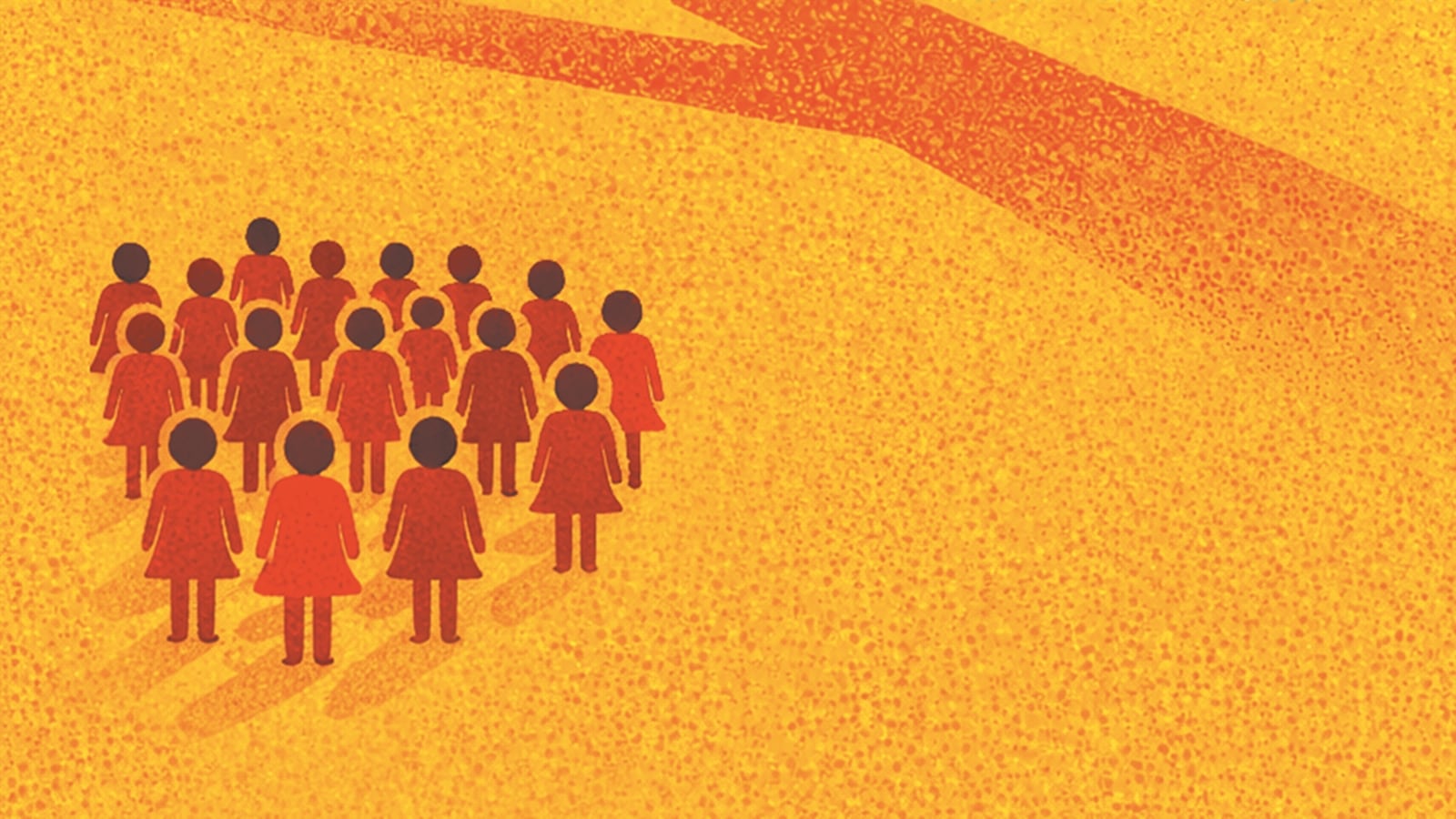
Having championed women’s rights globally through UN Women for seven foundational years and led the campaign for gender parity in political leadership, this moment holds profound personal significance for me. I was thrilled that the BJP was also the first Indian political party to commit to women’s reservation in its 2014 manifesto. I had then expressed a fervent hope, a belief indeed, that Prime Minister Narendra Modi’s government would fulfil its promise. India today stands on the edge of an unprecedented transformation in gender equality and women’s empowerment. The passage of the Nari Shakti Vandan Adhiniyam in 2023, reserving 33 per cent of seats for women in India’s state assemblies and Parliament, made history — and herstory — under the bold and visionary leadership of PM Modi. He has been a veritable yug purush, an epochal trailblazer for women’s rights and gender justice. The forthcoming amendment to align census, delimitation and electoral processes in time for the 2029 general elections turns reform into a much-needed revolution on the ground. It operationalises the reservation framework, converting a deferred promise into a lived reality of equal voice, participation and leadership in governance and lawmaking at the highest levels. I always knew that given the history of political procrastination in India and elsewhere, a modus vivendi would have to be found to counter the narrative of men losing their seats to women. Partisanship, vested interests and sectarian agendas caused this much-needed reform to be revisited, debated, diluted and repeatedly allowed to lapse over an unconscionably long period. It became both a symbol of undying aspiration and an indictment of risk-averse hesitation. The 2023 law, complemented and reinforced by the 2026 amendment, will address those concerns directly. By linking reservation to the delimitation process, it will expand the representational space rather than redistributing it. It will remove the zero-sum trigger and make it a win-win leap for all. Gender equality and women’s empowerment have been an article of faith for PM Modi and the government he leads. His agenda has progressively moved from women’s development to women-centred development, and then on to women-led development. That last frame, which PM Modi consecrated into global consciousness and policy-setting during India’s G20 presidency in 2023, places women not at the receiving end of policy but at the helm of it. He has equally stressed the indispensability and centrality of women as equal stakeholders in India’s developed-country destiny by 2047 as part of the sabka saath, sabka prayas, sabka vikas template. The 73rd and 74th Constitutional Amendments created one of the largest experiments in grassroots democracy in the world, with over 3 million women elected representatives in India today. They showed that quotas work. Moreover, they generated a deep and diverse reservoir of women political leaders countrywide which can be harnessed along with the legion of educated and able women from different professions willing and ready to serve and lead. Nearly 80 years after Independence, women’s representation in the Lok Sabha stands at approximately 14 per cent, with several state assemblies reflecting similar or lower figures. The question is no longer one of capability; it is one of access, and of the need for a decisive, big-bang push through a special measure until structural equality is achieved. The women’s reservation framework delivers this. It recognises that incremental change has not been sufficient, and that a critical mass of 33 per cent is necessary to shift institutional culture towards a gender-equal, 50:50 legislative future. The passage of the women’s reservation law marked a historic milestone. Its accelerated implementation will define its true legacy. It will complete a constitutional journey that began with universal adult franchise and deepened through grassroots empowerment. Extending that empowerment to Parliament and state legislatures is both logical and democratic. This is not only about representation; it is about redefining power. And in doing so, India is not just correcting a historical injustice — it is completing the circle of its democratic promise. The writer is former assistant secretary general, United Nations, and former deputy executive director, UN Womenالمصدر: Indian Express | Source: Indian Express
ملاحظة تحريرية | Editorial Note: نُشر هذا المقال في الأصل بواسطة Indian Express. خبر (Khabr) هي منصة إعلامية أردنية مرخّصة تعمل بالذكاء الاصطناعي. نضيف قيمة تحريرية من خلال: تحليل ذكي للأخبار، ملخصات تلقائية، رواية صوتية بالذكاء الاصطناعي، ترجمة متعددة اللغات، وتدقيق الحقائق. هدفنا جعل الأخبار أكثر وضوحاً وسهولةً للقارئ العربي.
This article was originally published by Indian Express. Khabr is a licensed Jordanian AI-powered news platform (Registration #82086). We add editorial value through: AI-powered news analysis, automated summaries, AI audio narration, multi-language translation (Arabic, English, French, Turkish), and AI fact-checking. Our mission is to make news more accessible and understandable for Arabic-speaking audiences worldwide.