Senior UAE officials and regional commentators have described the country’s decision to exit Opec and Opec+ alliance as a sovereign, policy-driven shift aimed at enhancing production flexibility while maintaining its commitment to global market stability.
Suhail Mohamed Al Mazrouei, Minister of Energy and Infrastructure, said the move reflects a “policy-driven evolution aligned with long-term market fundamentals”.
“We thank Opec and its member countries for decades of constructive cooperation. We remain committed to energy security, providing reliable, responsible, and lower-carbon supply while supporting stable global markets,” he said.
Speaking separately to Reuters, Al Mazrouei said the decision followed “a careful look at current and future policies related to level of production”, adding that the UAE did not raise the matter with any other country.
“This is a policy decision,” he said, describing it as one taken in line with national priorities.
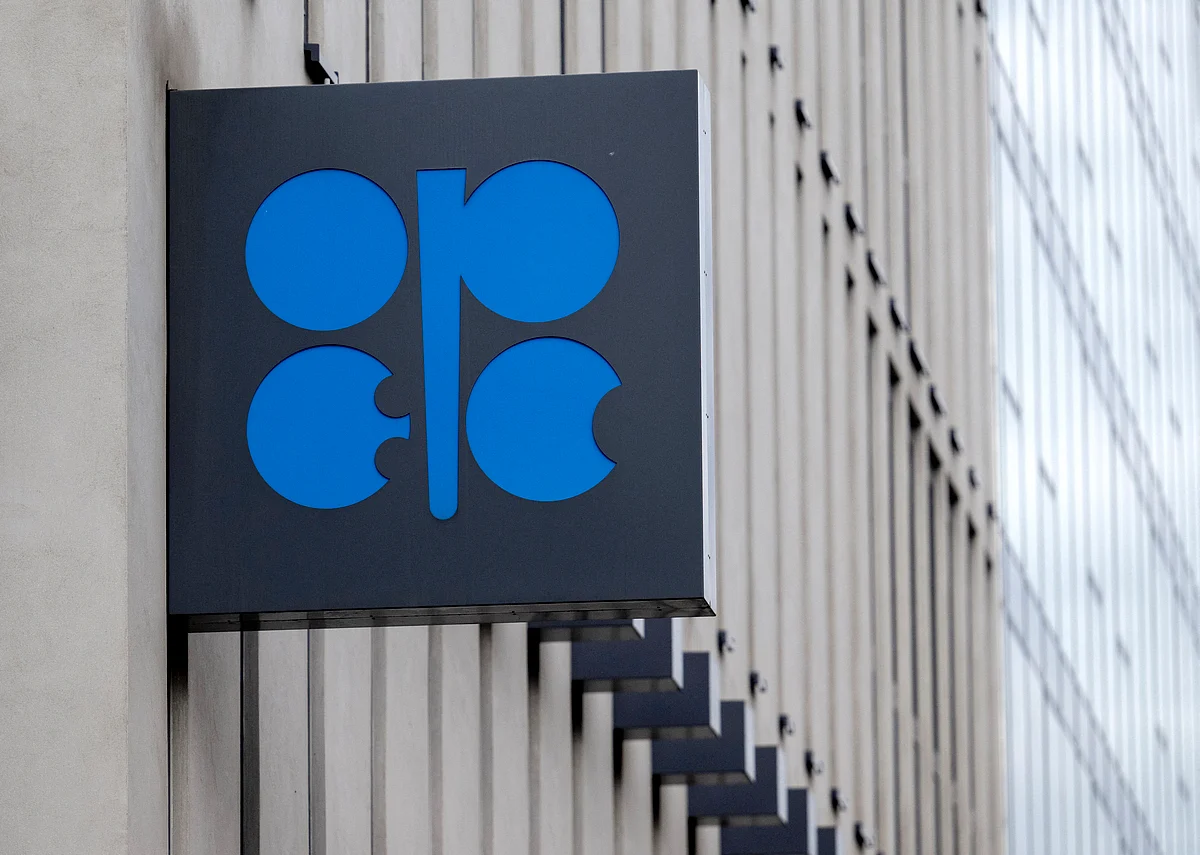
The UAE on Tuesday announced it would exit Opec and Opec+, effective May 1, 2026, after a review of its production strategy and long-term energy outlook. The country joined Opec in 1967 through Abu Dhabi and continued its membership after the formation of the UAE in 1971, playing a key role in supporting oil market stability over decades.
Ali Rashid Al Nuaimi, Chairman of the Defence, Interior and Foreign Affairs Committee at the Federal National Council, described the move as “a sovereign decision tied to the UAE’s higher national interests, aligned with its future economic ambitions”.
Emirati writer Ali Alameri said the exit signals a broader shift in approach.
“It reflects a transition from collective coordination to oil independence, showing confidence in the strength of the UAE economy and its ability to manage the market independently,” he wrote on X.
Writer Mohammed Taqi said the decision repositions the country towards greater production flexibility and more efficient use of its oil capacity in line with global demand trends.
He added that the UAE is acting in accordance with its economic interests rather than collective decisions that may not always align with them.
Another commentator, Abdullah Alneaimi, described the move as “significant and well-judged”, saying it serves national interests across the short, medium and long term.
“The UAE’s energy sector is highly advanced, and exiting Opec and Opec+ provides it with the flexibility it needs,” he said.
The UAE has said the decision will not alter its commitment to global market stability, adding that it will continue to act as a reliable and responsible energy supplier while investing across oil, gas and lower-carbon energy solutions.