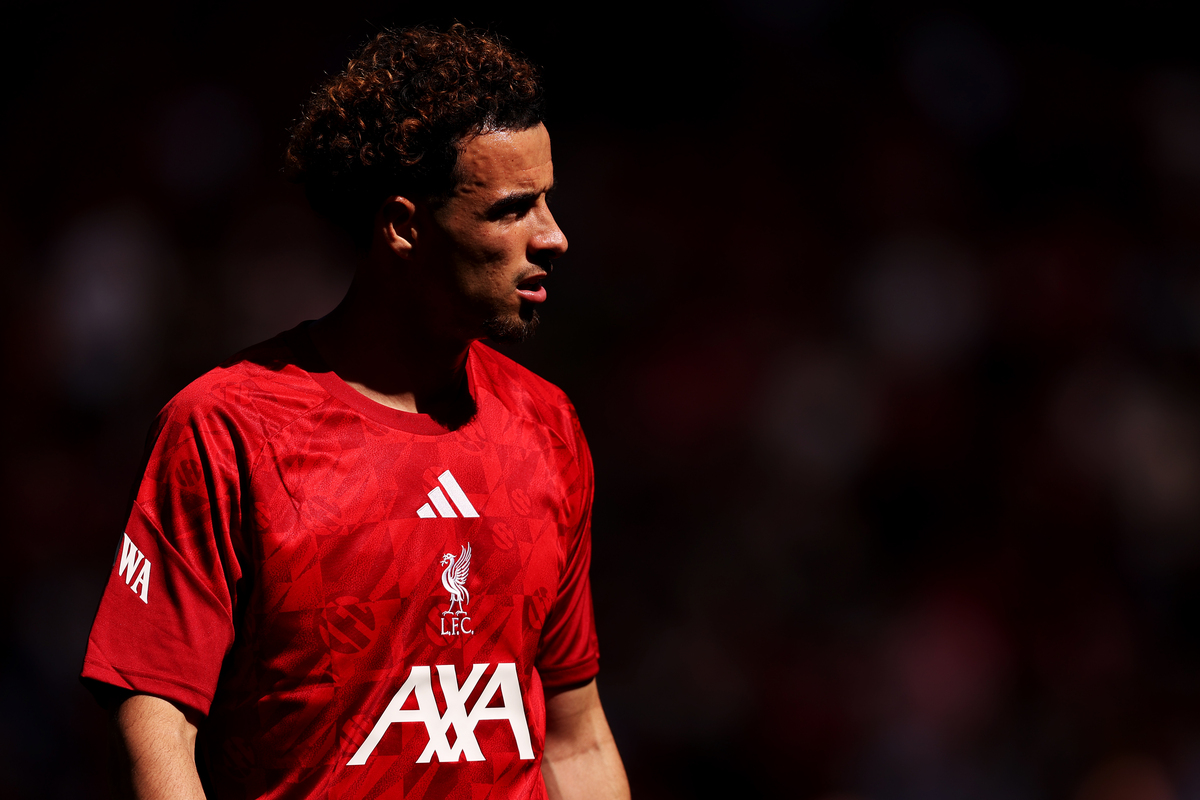
AFC BournemouthArsenalAston VillaBrentfordBrighton & Hove AlbionBurnleyChelseaCrystal PalaceEvertonFulhamLeeds UnitedLiverpoolManchester CityManchester UnitedNewcastle UnitedNottingham ForestSunderlandTottenham HotspurWest Ham UnitedWolverhampton WanderersScores & ScheduleStandingsFantasyThe Athletic FC NewsletterPodcastsUCL Mikel Arteta goes to embrace Myles Lewis-Skelly after the Atletico game Jacques Feeney/Offside/Offside via Getty Images Share articleArsenal have entered May with a swagger that deserted them in April, and a large part of that is down to Myles Lewis-Skelly, the midfielder. Though he played in midfield in the academy, the 19-year-old’s first 69 senior appearances for the club came at left-back. This season, he has started 16 matches compared to 26 last year, with just three of those in the league as Piero Hincapie has added another layer of competition alongside Riccardo Calafiori. An England international and goalscorer after his breakthrough last season, Lewis-Skelly has finally been given the opportunity to thrive in his natural position. Arsenal manager Mikel Arteta joked: “Probably I don’t have a clue,” when asked why it has taken this long to play Lewis-Skelly in midfield after his first start there against Fulham. After another impressive performance in the Champions League semi-final second leg against Atletico Madrid, he said: “I’ve been quite tough on him. He’s been very persistent and consistent in his behaviours and the manner that he’s been knocking on the door constantly to earn the right to play. He deserved it and that’s why he played.” Arteta tried to give him an opportunity in midfield at home to Wigan Athletic in February, but a Calafiori injury in the warm-up forced Lewis-Skelly to left-back while Bukayo Saka started as a No 10. With no undue interruptions ahead of Arsenal’s two matches this month, Lewis-Skelly being in midfield from that off has been a difference-maker. In the opening minutes against Fulham, he was the one to set the tone. He turned an interception high up the pitch into one of those crafty ball-shielding turns to put Arsenal on the front foot, then followed that up with a pass into the box and a header to set up a chance for Leandro Trossard that whizzed just past the post. That passage of play lasted 15 seconds, but has been integral for how the last 180 minutes of football have gone for Arsenal. With Lewis-Skelly in midfield, and Calafiori at left-back, there has been a more natural balance to Arsenal’s in-possession play than in previous matches as seen below. Rice and Martin Zubimendi dovetailed well in the first half of the season, but that pairing has weakened as weeks have passed. Fatigue plays a part in that, as they are still Arsenal’s most-used outfield players, but there was another issue. While one would stay deep as the other went forward earlier in the campaign, as shown in the above graphic, they have increasingly occupied similar areas of the pitch, impacting how quickly and efficiently Arsenal played forward. To dust off an old Arteta phrase, Rice and Lewis-Skelly have played ‘in different heights’ (one being ahead of the other rather than being side-by-side) to help open different spaces. Thierry Henry highlighted this well on Sky Sports this week, citing the example below when Lewis-Skelly was the deeper midfielder. But there were other moments, when Rice dropped in alongside William Saliba and Gabriel, which allowed Lewis-Skelly’s progressive passing to shine through. Lewis-Skelly took that responsibility again against Atletico, and what was even more encouraging was the punch in his forward passes to speed up Arsenal’s ball progression. Rice and Lewis-Skelly have also taken turns at driving forward into opposition halves in these two matches. Rice did so more often against Atletico, but rolling a marker and tearing forward has been a characteristic of Lewis-Skelly since his academy days. It also resulted in him providing an assist from left-back against Atletico in October, causing Diego Simeone to involuntarily swing a leg from the Emirates dugout as he ran through midfield to set up Gabriel Martinelli. That quality to “do things you can’t coach” is part of what made his former under-18s head coach Jack Wilshere say: “I don’t think he’ll be a left-back; he’ll be a midfielder” after Lewis-Skelly scored a last-minute winner in an FA Youth Cup semi-final win over Manchester City in 2023. At that point, Arteta had already planned Lewis-Skelly’s first-team integration at left-back. Despite Wilshere using him in midfield for the under-18s, he was already getting exposure at left-back with the under-21s. Looking back on that time, in January 2025, Arteta said: “When I saw him, to give him a chance and with the project that we had in the academy the moment that I saw him, the only way I could think was to change his position. I spoke to him and said, ‘I think this is where you’re going to have it’, because I think it fits a lot of his qualities, the way that we play and it fits because we had necessities in the position.” Those qualities were his ability to drift infield from left-back as Oleksandr Zinchenko could, as well as having the strength to do so more efficiently when tightly marked. Early on, staying concentrated out of possession was one of the main learning curves, but in a busier area of the pitch this week, Lewis-Skelly was alert as ever. His defensive interventions have been equally important over the past five days. Those more combative contributions kept Arsenal on the front foot against Fulham, with the way his interceptions turned defence into attack in an instant a rarity in Arsenal matches in 2026. As Henry put it, this was about: “The legs, anticipation, stopping someone and making them feel like you’re there all the time.” This too continued into the second leg against Atletico, as his bite alongside Rice’s last-ditch blocks stopped the visitors gaining momentum. The two England internationals complemented each other in possession and, out of it, formed a solid base to help bring a feeling of security and comfort to these matches. It can be easy to forget how early Lewis-Skelly is in his career. Both he and Manchester United’s Kobbie Mainoo are examples of just how quickly things can change as well as the intangible value of an academy player being at the heart of a club’s success. Mainoo spent a while out of the United team under Ruben Amorim, but was reintegrated by Michael Carrick, and scored the goal that secured their Champions League qualification days after signing a new deal with the club. Lewis-Skelly’s struggles for game time have left Arsenal supporters puzzled at different points in the season, but for a pupil of Wilshere to have a defining Champions League performance in midfield after all this time waiting is quite fitting. Arteta knew it was a risk, but sometimes you just have to follow that feeling. In this case, that was sparked by the real Myles Lewis-Skelly standing up. Spot the pattern. Connect the terms Find the hidden link between sports terms
المصدر: The Athletic
| Source: The Athletic
ملاحظة تحريرية | Editorial Note:
نُشر هذا المقال في الأصل بواسطة The Athletic.
خبر (Khabr) هي منصة إعلامية أردنية مرخّصة تعمل بالذكاء الاصطناعي.
نضيف قيمة تحريرية من خلال: تحليل ذكي للأخبار، ملخصات تلقائية، رواية صوتية بالذكاء الاصطناعي، ترجمة متعددة اللغات، وتدقيق الحقائق.
هدفنا جعل الأخبار أكثر وضوحاً وسهولةً للقارئ العربي.
This article was originally published by The Athletic.
Khabr is a licensed Jordanian AI-powered news platform (Registration #82086).
We add editorial value through: AI-powered news analysis, automated summaries, AI audio narration, multi-language translation (Arabic, English, French, Turkish), and AI fact-checking.
Our mission is to make news more accessible and understandable for Arabic-speaking audiences worldwide.


.png?width=1200&auto=webp&trim=0%2C0%2C0%2C0)