⚡ عاجل: كريستيانو رونالدو يُتوّج كأفضل لاعب كرة قدم في العالم●⚡ أخبار عاجلة تتابعونها لحظة بلحظة على خبر●⚡ تابعوا آخر المستجدات والأحداث من حول العالم●
AI اقتراحات ذكية
AI مباشر|--مشاهد مباشر
911,031مقال401مصدر نشط228قناة مباشرة4,673خبر اليوم
آخر تحديث:منذ ثانية
WHO: Contact tracing underway as rare 'Andes' Hantavirus strain confirmed in cruise ship outbreak
•Health authorities have confirmed that the rare Andes strain of hantavirus (ANDV) — the only form of the virus known to very rarely spread between humans — has been detected in passengers linked to a...
•Here's what we know so far:What makes the 'Andes' strain notable?The Andes virus is a rare hantavirus variant endemic to parts of South America — especially Argentina and Chile — that, unlike most han...
•Swiss authorities have confirmed a case of #hantavirus identified in a passenger from the MV Hondius cruise ship.He had responded to an email from the ship’s operator informing the passengers of the h...
هذا الخبر من Gulf News. خبر يقدم أدوات ذكاء اصطناعي للتلخيص والترجمة والاستماع.
Health authorities have confirmed that the rare Andes strain of hantavirus (ANDV) — the only form of the virus known to very rarely spread between humans — has been detected in passengers linked to a deadly outbreak aboard the expedition cruise ship MV Hondius in the Atlantic Ocean, officials said.
The World Health Organisation (WHO) and international laboratories are now coordinating a broad public health response.
The response so far includes:
Contact tracing
Genetic sequencing
Careful monitoring.
Here's what we know so far:
What makes the 'Andes' strain notable?
The Andes virus is a rare hantavirus variant endemic to parts of South America — especially Argentina and Chile — that, unlike most hantaviruses, has occasionally shown limited human-to-human transmission among close and prolonged contacts, say WHO experts.
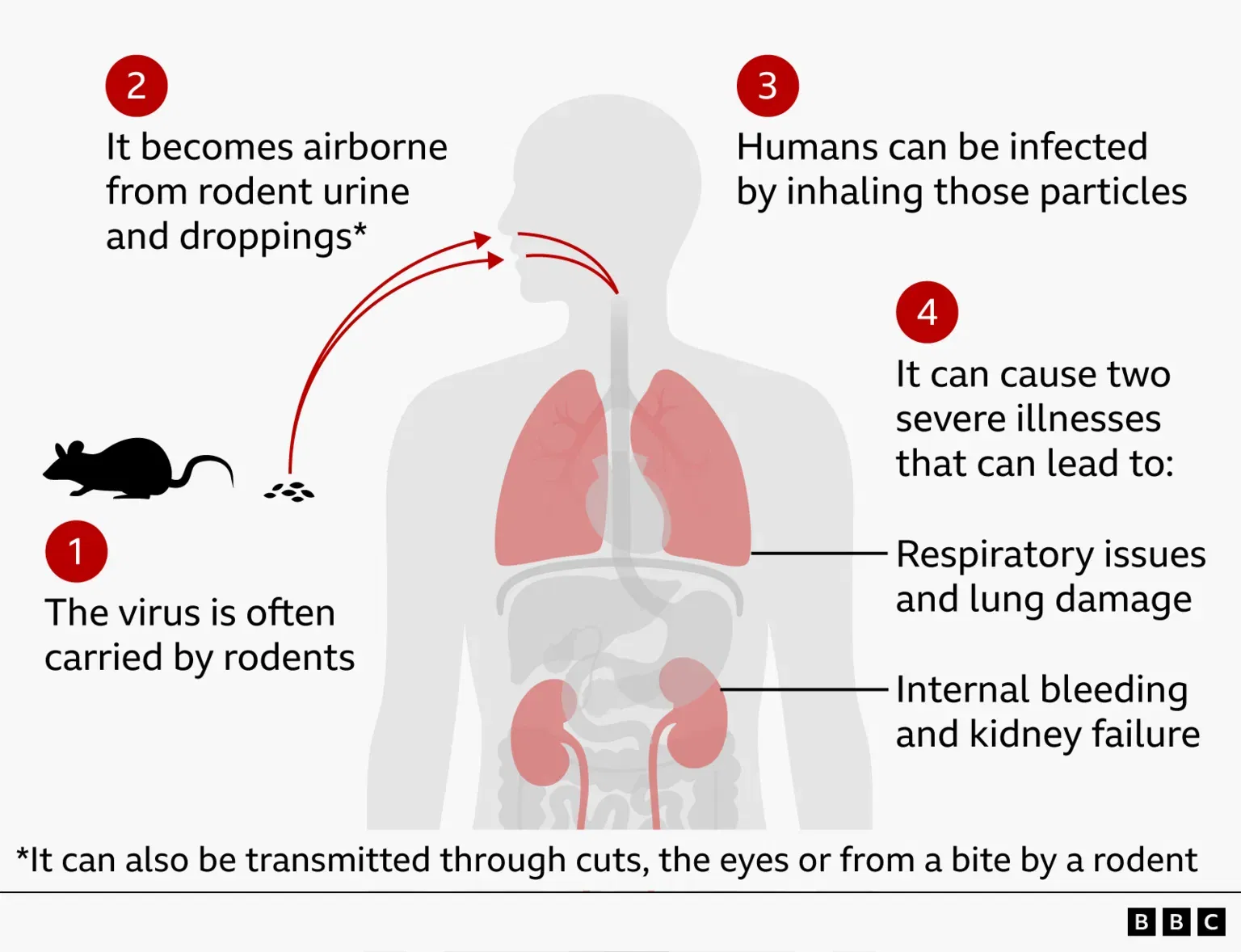
Most hantaviruses are spread to people from rodents, not from person to person.
Experts stress that the overall global risk of an Andes strain hantavirus outbreak remains "low".
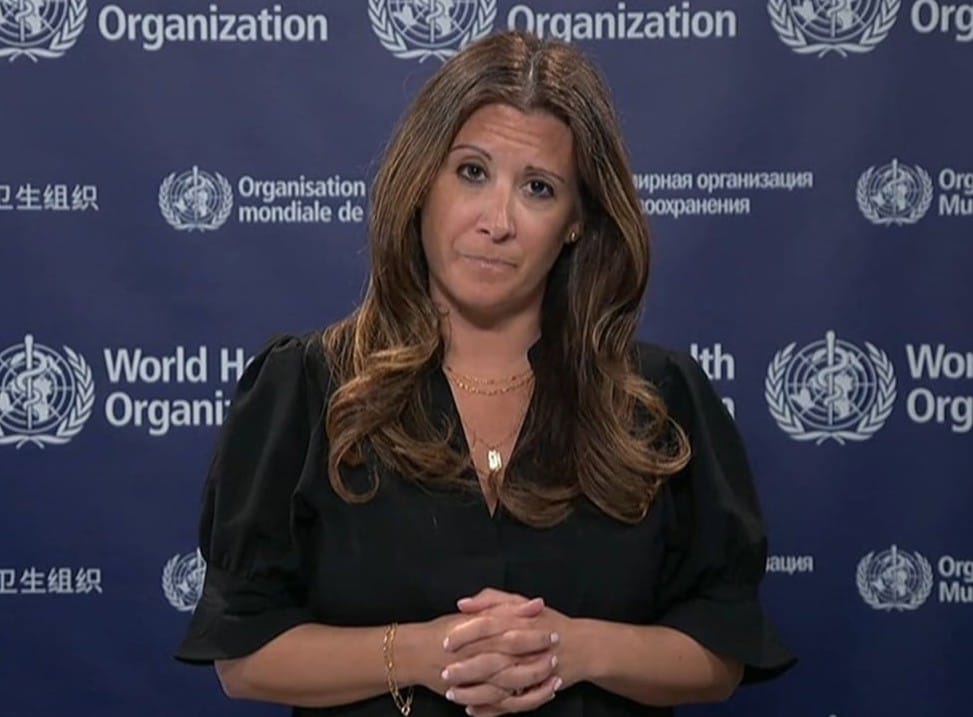
This handout screengrab made from a video released by the World Health Organization on May 4, 2026 shows US' WHO epidemic and pandemic preparedness and prevention chief Maria Van Kerkhove speaking regarding hantavirus cases at the WHO heaquarters in Geneva.
How was the human-to-human transmission confirmed?
South African health officials confirmed through laboratory testing that two passengers evacuated from the cruise ship were infected with the Andes strain — one of them posthumously.
Swiss authorities have confirmed a case of #hantavirus identified in a passenger from the MV Hondius cruise ship.
He had responded to an email from the ship’s operator informing the passengers of the health event, and presented himself to a hospital in Zurich, Switzerland, and… pic.twitter.com/4mmBd7qSA4
— World Health Organization (WHO) (@WHO) May 6, 2026
GENETIC SEQUENCING: IOne of those infected, a British man, is critically ill in Johannesburg hospitals. Three people have died in the outbreak and at least four others have fallen ill. Sequencing work and further testing are being conducted by South African and international reference laboratories, with genetic analyses underway to verify the strain and potentially map transmission chains.
Additional samples are being sent to specialist labs — including the Institut Pasteur in Dakar, Senegal — with WHO support.
The WHO’s Disease Outbreak News report confirms two laboratory-confirmed hantavirus cases and five suspected cases connected to the cruise ship cluster, including three deaths and one critically ill patient.
Where were the samples taken?
Samples confirmed as hantavirus have come from passengers evacuated from the MV Hondius — including specimens tested in South Africa and clinical samples gathered from symptomatic people on board the ship.
Additional specimens from suspected cases are being collected by health teams in Cape Verde and sent for detailed analysis.
One case linked to the outbreak has also been reported in Switzerland, where a returning passenger sought treatment after being notified of the ship’s outbreak while ashore.
SYMPTOMS: Known symptoms of the Andes hantavirus strain, which typically causes Hantavirus Pulmonary Syndrome (HPS), begin with influenza-like illness and can rapidly progress to severe respiratory failure, with a high mortality rate of 20–40%. The Andes strain is uniquely known to have potential for person-to-person transmission.
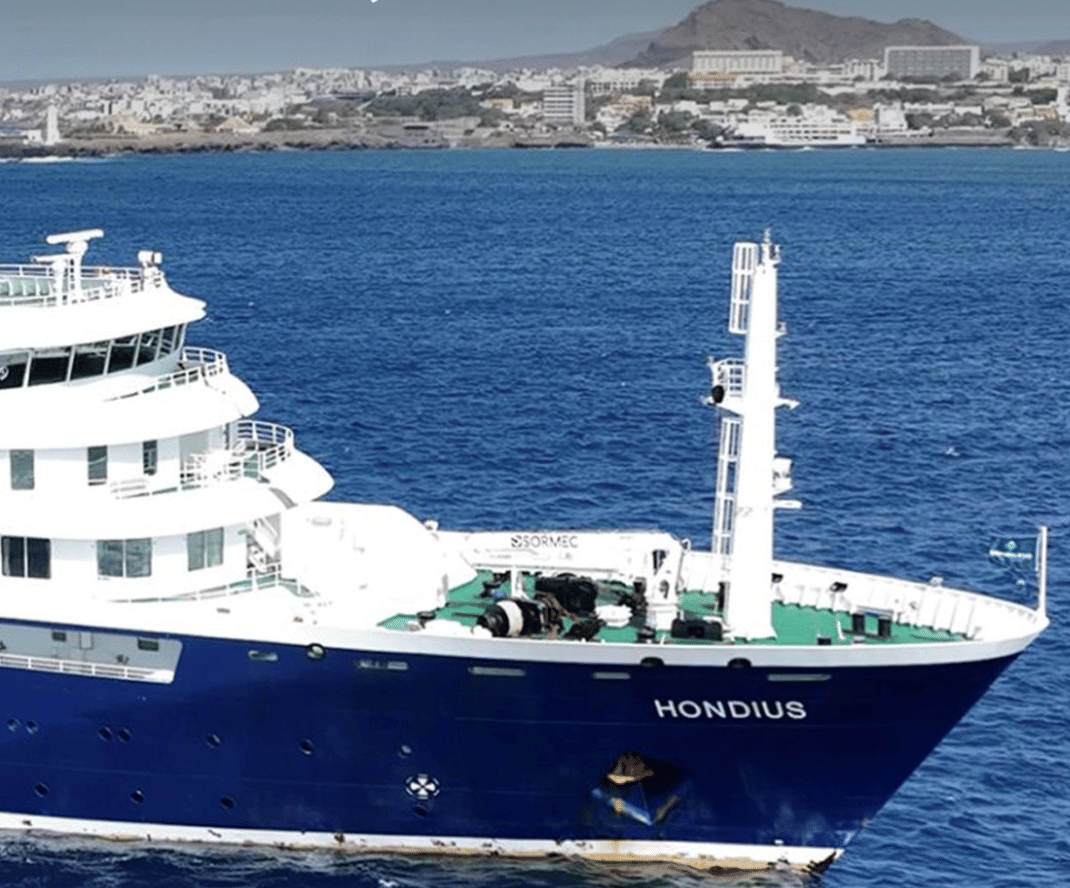
The cruise ship MV Hondius in the South Atlantic. The World Health Organisation suspects human-to-human transmission on board the cruise ship that has left three people dead and several others ill.
What WHO and experts are saying
The WHO’s Disease Outbreak News report confirms two laboratory-confirmed hantavirus cases and five suspected cases connected to the cruise ship cluster, including three deaths and one critically ill patient.
All illnesses began between early and late April.
WHO officials have stressed that human-to-human transmission remains "extremely uncommon", observed only in limited previous Andes virus outbreaks among close contacts such as household members.
️ [Article] Response to Hantavirus case was swift - contact tracing began within hours
South African officials worked with speed to detect, contain and respond to the case of Hantavirus detected in the country. This according to Health Minister, Dr Aaron Motsoaledi, who… pic.twitter.com/CzSLTCzYjb
— South African Government (@GovernmentZA) May 6, 2026
What is the risk of a hantavirus outbreak?
The WHO currently assess the risk to the wider global population as "low".
Moreover, the agency officials emphasise that there is no evidence of sustained community spread outside the cruise context.
International epidemiologists, including WHO’s Maria Van Kerkhove, have noted there may have been some human-to-human spread among close contacts aboard the ship, but that such transmission would require prolonged, intimate exposure — not casual contact.
What we know so far
Cruise ship: The MV Hondius departed from Ushuaia, Argentina, on April 1 and visited remote islands before being held off Cape Verde pending investigation.
Confirmed cases: At least two are laboratory-confirmed, with five more suspected. Three deaths have been reported, and one patient is critically ill.
Human transmission: The outbreak involves the Andes strain, known for limited person-to-person spread under rare conditions.
Public health actions: WHO and national authorities are conducting contact tracing, ongoing laboratory sequencing, isolation of cases, and monitoring exposed individuals.
Health experts underscore that human-to-human hantavirus transmission is extremely rare, and the virus typically spills over from rodents, not through casual contact.
There is no evidence of sustained spread outside the ship and its evacuees, and WHO continues to assess overall risk as low.
INCUBATION PERIOD, CONTACT TRACING: The WHO also says contact tracing remains critical because incubation can last up to 8 weeks, and anyone exposed during the voyage or in close contact with confirmed cases should be monitored.
Nevertheless, investigators say monitoring and contact tracing are vital, particularly for people who shared space closely with confirmed cases or flew with symptomatic individuals during the potential infectious period.
Vigilance needed: 'Moral obligation'
While the involvement of the Andes hantavirus strain — with its rare capacity for human transmission — is notable and warrants vigilance, public health authorities do not see a broader community threat at this stage.
On Tuesday, Reuters reported that the Spanish Health Ministry confirmed it would receive the MV Hondius in the Canary Islands "in accordance with international law and humanitarian principles."
Once in the Canary Islands, medical teams would examine and treat all passengers and crew and transfer them to their countries, the statement said.
"The Canary Islands are the closest location with the necessary capabilities. Spain has a moral and legal obligation to assist these people, among whom are also several Spanish citizens," WHO stated.
Is there a specific treatment or medication for the Andes strain?
According to the American Lung Association (ALA), there is no specific FDA-approved antiviral medication or cure for the Andes strain of hantavirus (ANDV), as of May 2026.
Treatment relies on supportive intensive care to manage symptoms. The best outcomes achieved through early detection.
Andes virus is particularly severe because it causes Hantavirus Pulmonary Syndrome (HPS) and is the only hantavirus known to spread directly from human to human, ALA stated.
ملاحظة تحريرية | Editorial Note:
نُشر هذا المقال في الأصل بواسطة Gulf News.
خبر (Khabr) هي منصة إعلامية أردنية مرخّصة تعمل بالذكاء الاصطناعي.
نضيف قيمة تحريرية من خلال: تحليل ذكي للأخبار، ملخصات تلقائية، رواية صوتية بالذكاء الاصطناعي، ترجمة متعددة اللغات، وتدقيق الحقائق.
هدفنا جعل الأخبار أكثر وضوحاً وسهولةً للقارئ العربي.
This article was originally published by Gulf News.
Khabr is a licensed Jordanian AI-powered news platform (Registration #82086).
We add editorial value through: AI-powered news analysis, automated summaries, AI audio narration, multi-language translation (Arabic, English, French, Turkish), and AI fact-checking.
Our mission is to make news more accessible and understandable for Arabic-speaking audiences worldwide.
هذا الخبر ضمن تغطية خبر لقسم صحة.
نقدّم لك تحليلات ذكية وملخصات يومية لأهم الأخبار من مصادر موثوقة متعددة.
المصدر: Gulf News.
يوجد 6 مقالات مرتبطة بهذا الموضوع.
This article is part of Khabr's coverage of Health.
We provide AI-powered analysis, summaries, and multi-source aggregation to keep you informed.
Source: Gulf News.
Tags: WHO, Hantavirus, outbreak.
🍪 نستخدم ملفات تعريف الارتباط لتحسين تجربتك وعرض الإعلانات المخصصة. باستخدامك للموقع، فإنك توافق على سياسة ملفات تعريف الارتباط وسياسة الخصوصية.
We use cookies to enhance your experience and show personalized ads. By using this site, you agree to our Cookie Policy and Privacy Policy.
🔍
FREEFree 1GB Internet + Free International Calls
$1 trial — eSIM in 190+ countries — No roaming charges