White House Flags China AI Theft Concerns
•Fez– The White House has raised concerns over what it describes as large-scale efforts by foreign actors to extract and replicate American artificial intelligence technologies, with a particular focus...
•In an internal memo, Michael Kratsios, Director of the White House Office of Science and Technology Policy, said the administration had gathered new evidence suggesting that foreign groups were system...
•According to BBC , the goal, he wrote, is to gain access to proprietary systems and weaken American research and development.
هذا الخبر من Morocco World News. خبر يقدم أدوات ذكاء اصطناعي للتلخيص والترجمة والاستماع.
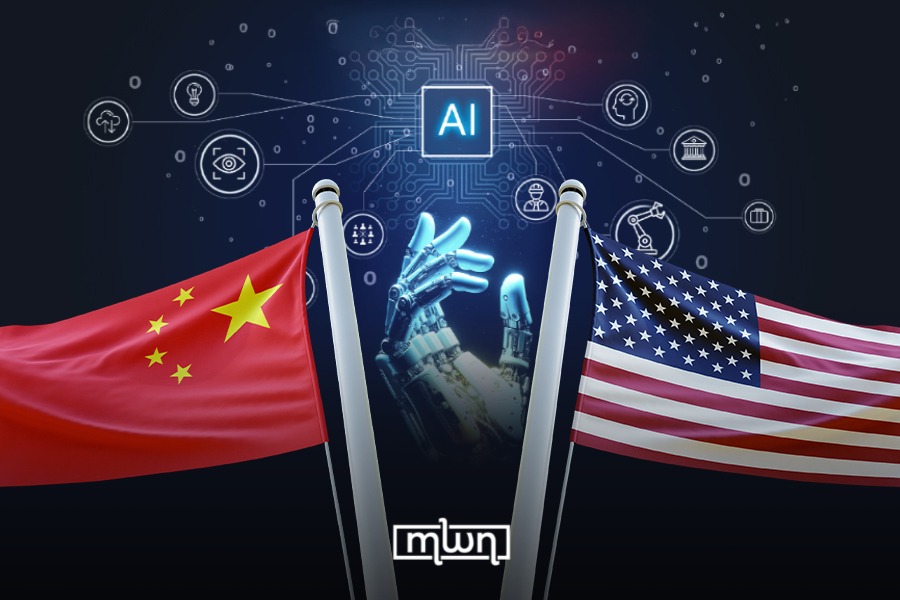
المصدر: Morocco World News | Source: Morocco World NewsFez– The White House has raised concerns over what it describes as large-scale efforts by foreign actors to extract and replicate American artificial intelligence technologies, with a particular focus on entities based in China.
In an internal memo, Michael Kratsios, Director of the White House Office of Science and Technology Policy, said the administration had gathered new evidence suggesting that foreign groups were systematically targeting US AI companies.
According to BBC , the goal, he wrote, is to gain access to proprietary systems and weaken American research and development.
At the center of these concerns is a method known as “distillation,” a process through which actors attempt to replicate advanced AI models by extracting insights from existing systems.
According to the memo, this is often carried out through coordinated activity using thousands of accounts that interact with AI tools, aiming to uncover hidden or restricted information.
Kratsios warned that such practices are part of broader “industrial-scale campaigns” designed to exploit US innovation.
In response, the White House plans to strengthen coordination with domestic AI firms, increase intelligence sharing on emerging threats, and develop clearer guidelines to detect and limit such activities.
The administration also signaled it is considering ways to hold those responsible accountable, although no specific measures were outlined.
A spokesperson declined to provide further details beyond the memo.
China rejected the allegations. A representative from the Chinese embassy in Washington said the country’s technological progress is driven by internal efforts and international cooperation, while criticizing what it described as unjustified pressure on Chinese companies.
Several US-based AI firms have already reported similar incidents.
OpenAI and Anthropic have both indicated they are dealing with attempts to replicate their models.
Earlier this year, Anthropic identified three China-based labs; DeepSeek, Moonshot AI, and MiniMax, as being involved in such activities, though the companies have not publicly responded.
OpenAI has also accused DeepSeek of copying aspects of its technology.
DeepSeek, launched last year, quickly gained traction after claiming it built a competitive AI model at a significantly lower cost than its Western counterparts.
The company is expected to release an updated version soon, following a recent service disruption.
The issue comes at a sensitive moment in US-China relations, as Donald Trump is expected to visit China in May, with technology and trade likely to feature prominently on the agenda.
The post White House Flags China AI Theft Concerns appeared first on Morocco World News.
ملاحظة تحريرية | Editorial Note: نُشر هذا المقال في الأصل بواسطة Morocco World News. خبر (Khabr) هي منصة إعلامية أردنية مرخّصة تعمل بالذكاء الاصطناعي. نضيف قيمة تحريرية من خلال: تحليل ذكي للأخبار، ملخصات تلقائية، رواية صوتية بالذكاء الاصطناعي، ترجمة متعددة اللغات، وتدقيق الحقائق. هدفنا جعل الأخبار أكثر وضوحاً وسهولةً للقارئ العربي.
This article was originally published by Morocco World News. Khabr is a licensed Jordanian AI-powered news platform (Registration #82086). We add editorial value through: AI-powered news analysis, automated summaries, AI audio narration, multi-language translation (Arabic, English, French, Turkish), and AI fact-checking. Our mission is to make news more accessible and understandable for Arabic-speaking audiences worldwide.