When Pakistan plays mediator, there’s more than peace on table
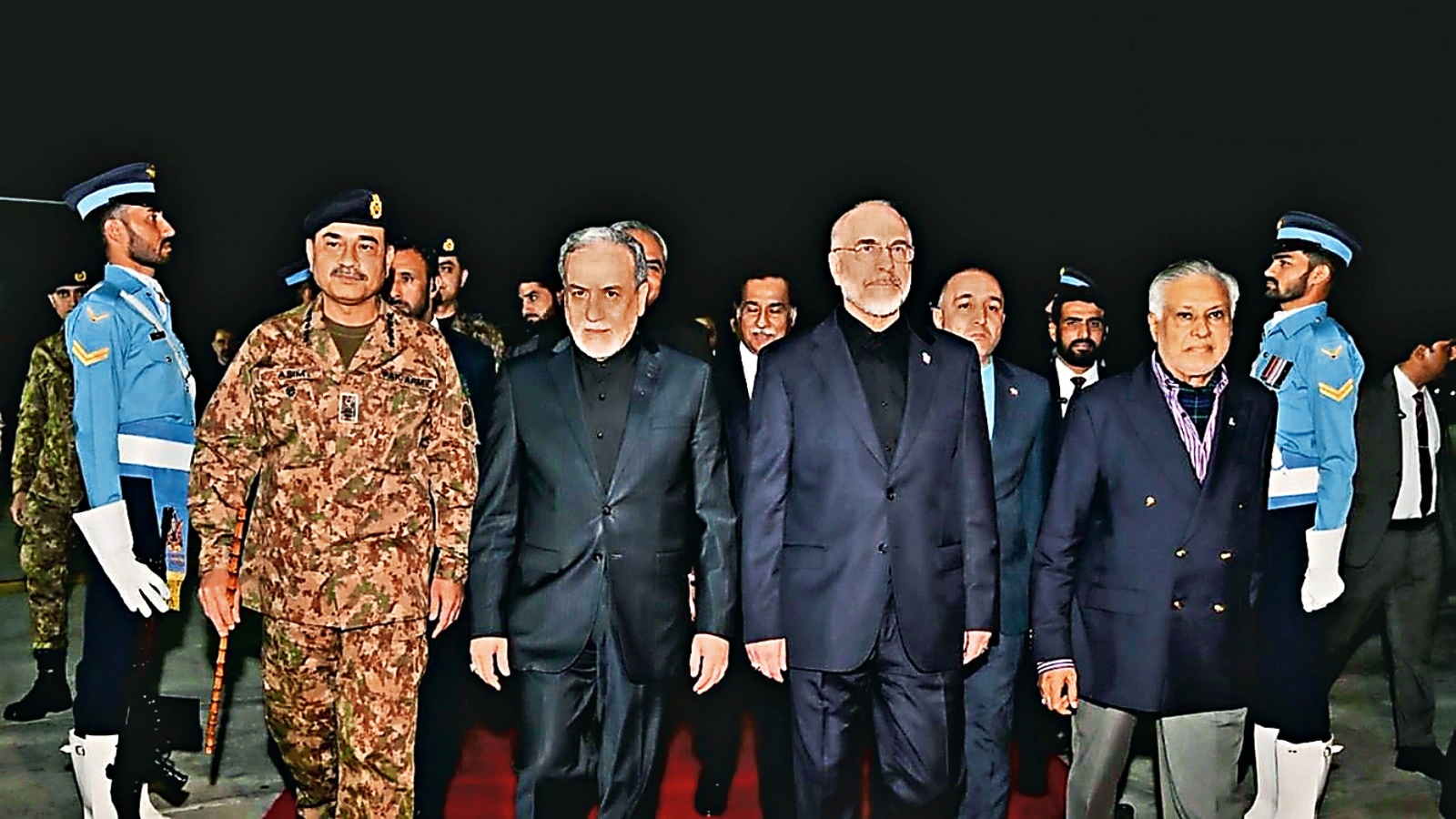
Irrespective of which way the US-Iran war turns from here, Pakistan’s role as mediator will definitely be a talking point. After an initial round of failed negotiations, will Islamabad end up persuading both sides to back down? Or, given its past track record of mediation, will it end up biting off more than it can chew? Typically, classic international mediator nations like Norway or Qatar have had established neutrality among the warring stakeholders as the bedrock for intervention. The Pakistanis have, however, have been driven to pursue mediation in a conflict by factors such as providential geography, vested security interests, alliance opportunities, or expected gratification for services rendered. However, unlike the gold standard of an impartial Norway, the Pakistanis do suffer from sovereign perceptions of duplicitousness, an interest-driven approach, and trust deficits, even amongst the warring sides. If morality has driven Norway to mediate, transactional opportunity has historically driven Pakistan. Pakistan’s first brush with international mediation was more surreptitious, transactional, and clandestine, as it facilitated the diplomatic rapprochement between the US and China in the early 1970s. The Cold War era had seen Pakistani diplomats relaying messages to and from Washington DC and Beijing, leveraging its “friendly” status with both. The secret trip of Henry Kissinger to Beijing, facilitated by Pakistan, had laid the groundwork for US President Richard Nixon’s historic visit to China in 1972. This was the brainchild of the Machiavellian and ambitious Pakistani leader, Zulfiqar Ali Bhutto. Circumstantially, this role had afforded a much-needed respite for the Pakistani state, which had suffered incalculable reputational loss owing to its genocidal conduct in Bangladesh, as indeed, much-needed military and economic largesse from the Americans. It also garnered brownie points with the Chinese, who shared a common enemy with Pakistan — India. Pakistan was to continue this approach during the infamous Operation Cyclone in the 1980s, the CIA’s largest covert programme, during which the US supplied weapons, funding, and training, routing this through Pakistan’s Inter-Services Intelligence (ISI), to Afghan mujahideen fighters fighting the Soviet occupation (later metastasising into the Taliban). This was hardly unprejudiced “mediation” as there were biases in the desired outcomes. The Pakistanis sought their “Strategic Depth” in Kabul. Pursuant to that objective, Pakistan kept meddling and propping up dominant forces (like Gulbuddin Hekmatyar) in Kabul, whilst countering the composition of the erstwhile Northern Alliance. Post-9/11 and after the initiation of the War on Terror, when the Taliban were ousted from their first stint in Kabul, and the successive governments of Hamid Karzai and Ashraf Ghani were ruling Afghanistan, Pakistan kept jostling for relevance by covertly supporting factions of the Taliban. Subsequently, Islamabad also played a behind-the-scenes but crucial facilitation role in bringing disparate Taliban factions to the negotiation table for the Doha Peace Talks. Given Pakistan’s deep-rooted patronage of certain extremist leaders like Mullah Abdul Ghani Baradar and the Haqqani factions, Pakistan’s discreet conduit services became invaluable. However, the return of the Taliban to Kabul and the literal red-carpet (at least initially) afforded to the then Pakistani spymaster and DG-ISI, Lt Gen Faiz Hameed, exposed the fact that the Pakistani mediation at Doha was hardly impartial or without considerations for itself. Today, as the US-Israel war on Iran goes through its own sputtering impulses, Pakistan is indeed uniquely placed as a rare nation with active equations with both Iran and the US. But its enthusiasm to seize the timely opportunity was to whitewash its own reputation. It is clear that Iran did not seek mediation (certainly not from Pakistan). In recent times, the Pakistani duo of Prime Minister Shehbaz Sharif and Field Marshal Asim Munir have been trying every possible overture, from suggesting Donald Trump for a Nobel Prize to peddling rare metals in a dodgy briefcase in the Oval Office. The senseless war on Iran seemed to have opened an opportunity for the Pakistanis. But the unreliable antecedents of Islamabad are well known to the Americans after their earlier double-game in Afghanistan, and on terrorism, just as the Iranians have had fundamental sectarian differences and border flare-ups with Pakistanis. The writer is a retired lieutenant-general and former L-G of the Andaman & Nicobar Islands and Puducherryالمصدر: Indian Express | Source: Indian Express
ملاحظة تحريرية | Editorial Note: نُشر هذا المقال في الأصل بواسطة Indian Express. خبر (Khabr) هي منصة إعلامية أردنية مرخّصة تعمل بالذكاء الاصطناعي. نضيف قيمة تحريرية من خلال: تحليل ذكي للأخبار، ملخصات تلقائية، رواية صوتية بالذكاء الاصطناعي، ترجمة متعددة اللغات، وتدقيق الحقائق. هدفنا جعل الأخبار أكثر وضوحاً وسهولةً للقارئ العربي.
This article was originally published by Indian Express. Khabr is a licensed Jordanian AI-powered news platform (Registration #82086). We add editorial value through: AI-powered news analysis, automated summaries, AI audio narration, multi-language translation (Arabic, English, French, Turkish), and AI fact-checking. Our mission is to make news more accessible and understandable for Arabic-speaking audiences worldwide.