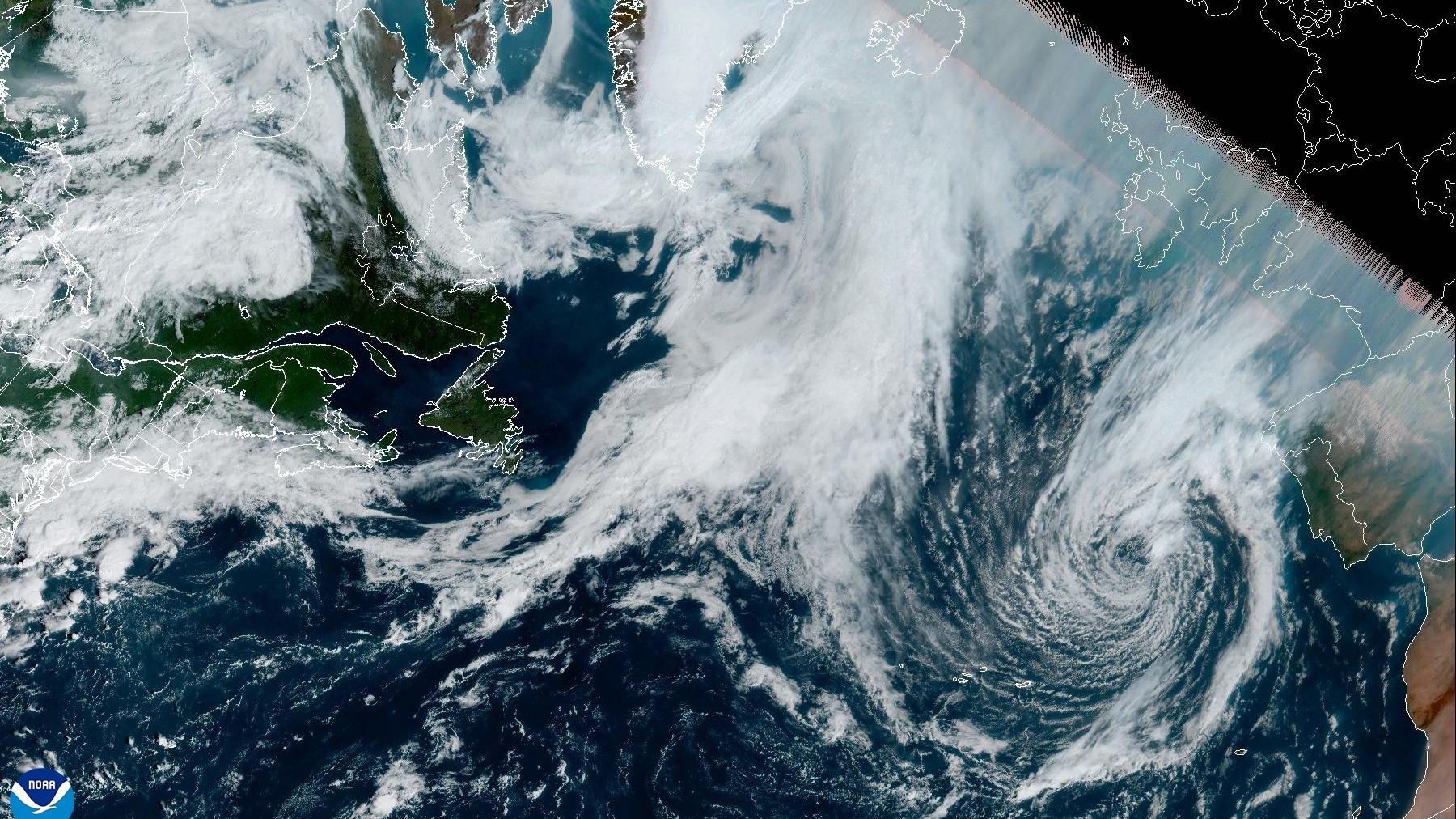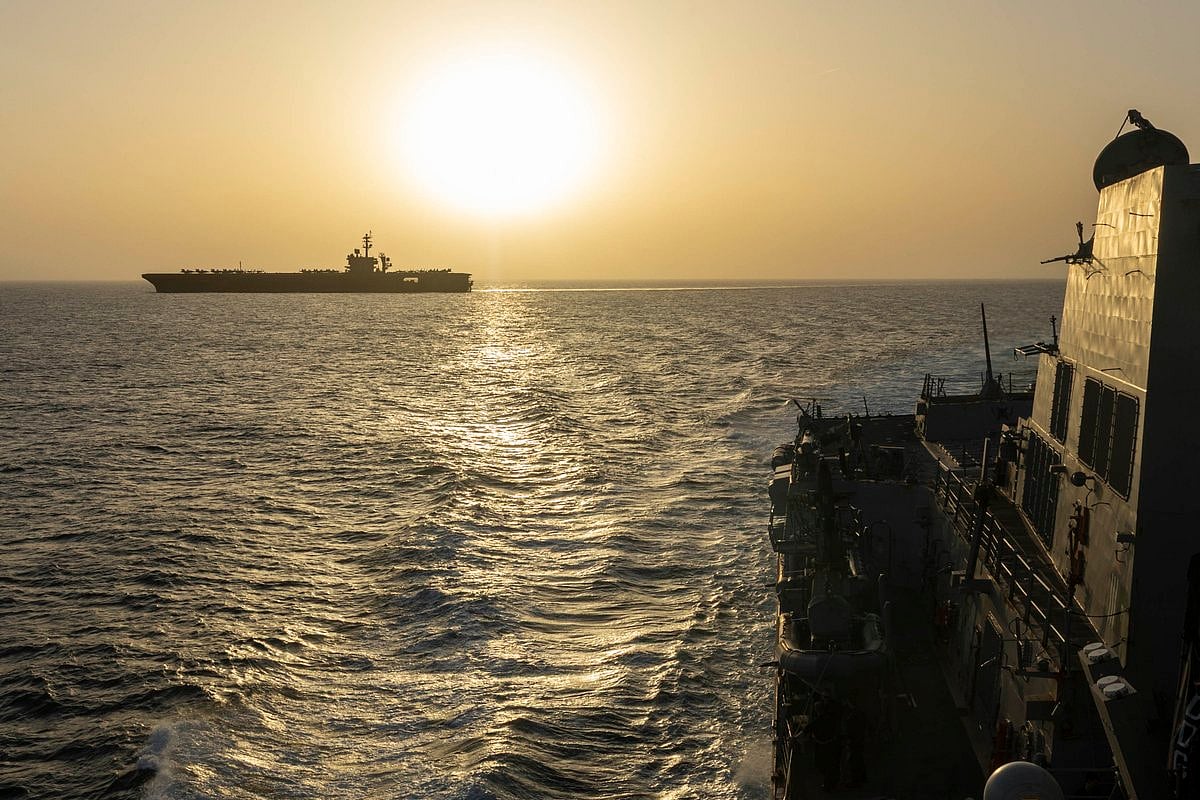
The US says its maritime enforcement operation targeting Iranian ports remains in place, with US Central Command (CENTCOM) reporting that multiple vessels have been diverted in the Gulf of Oman.
CENTCOM said on Friday that a US Navy destroyer redirected a merchant vessel as part of ongoing measures aimed at restricting shipping linked to Iranian ports.
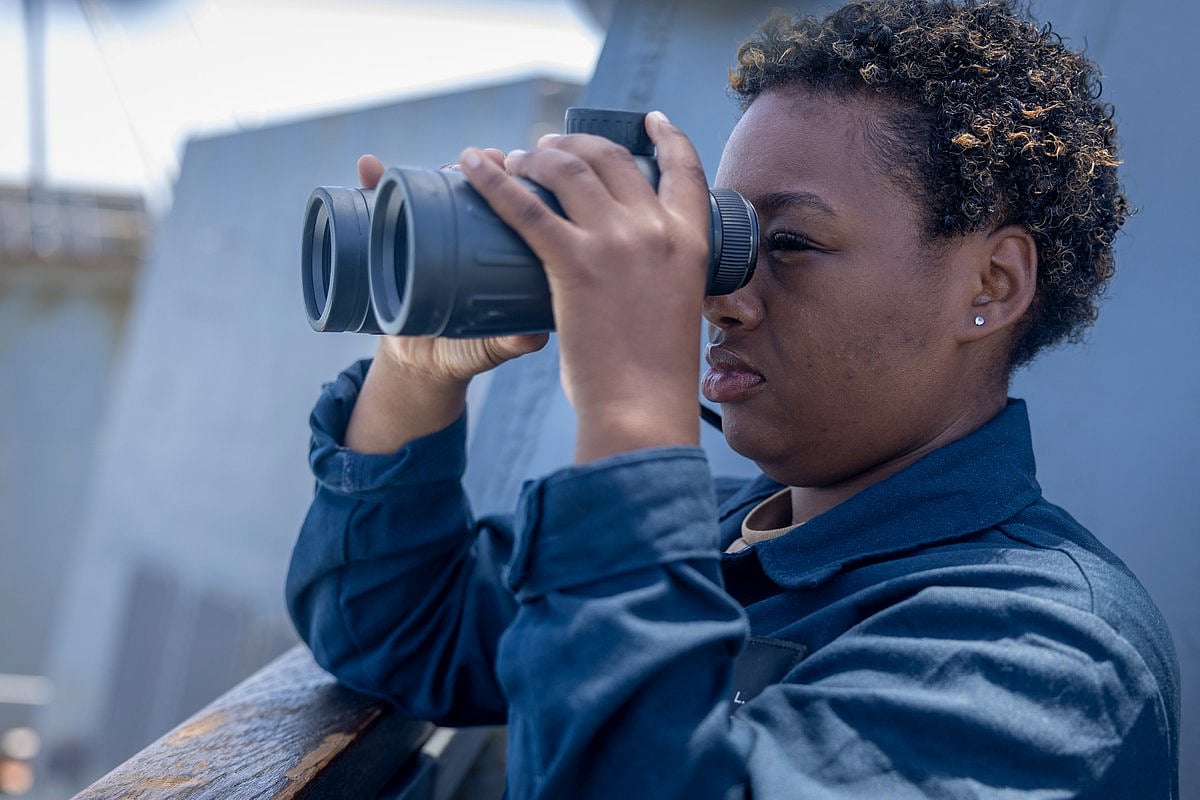
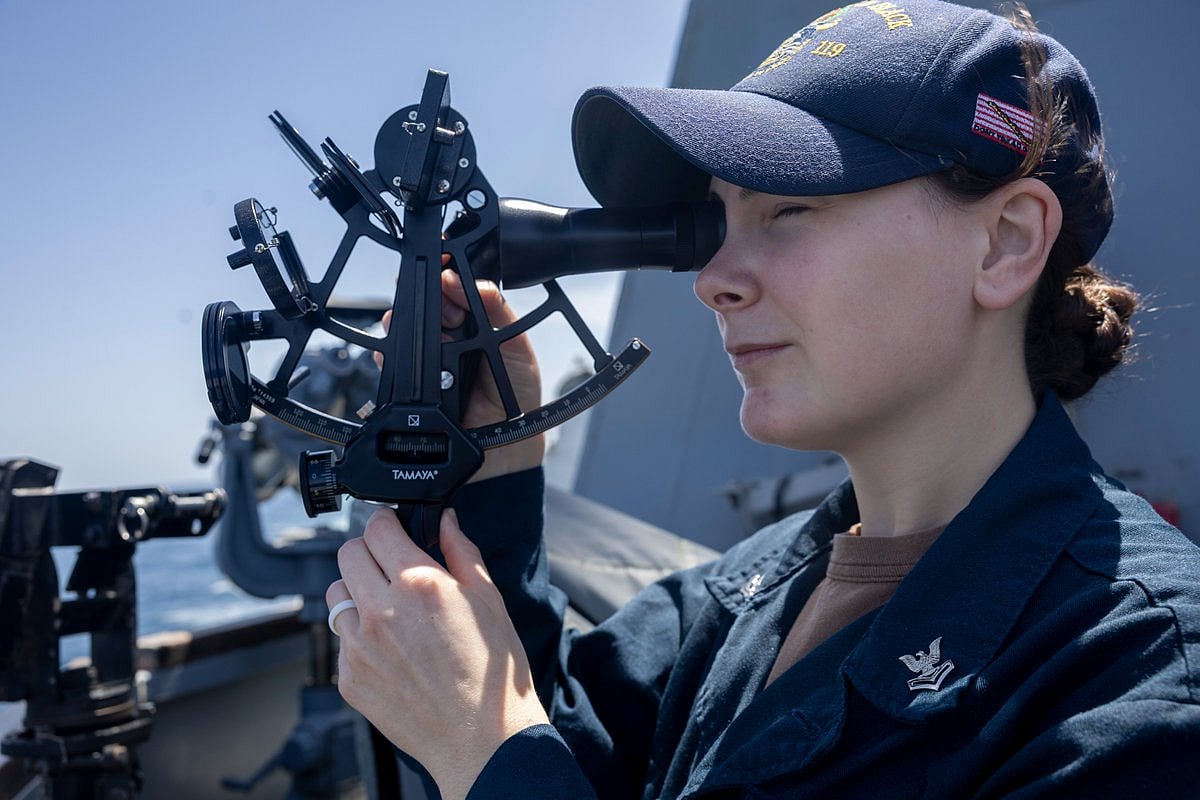
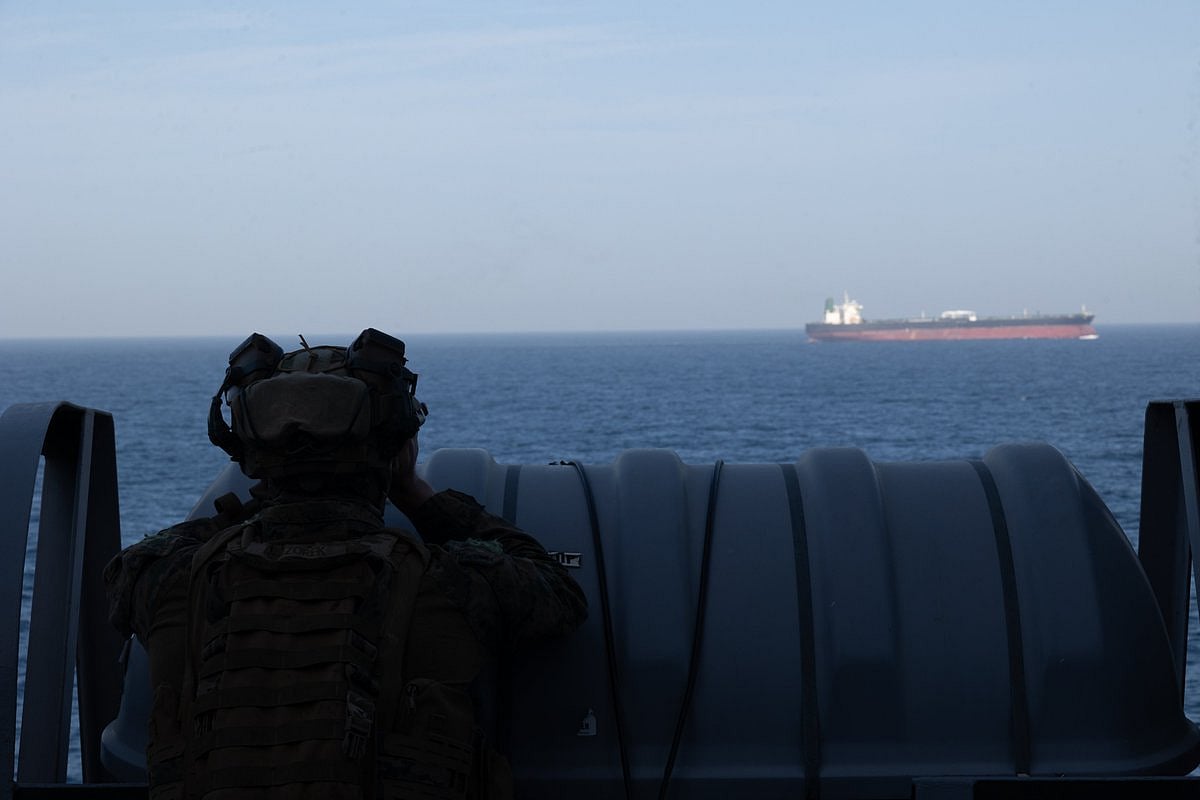
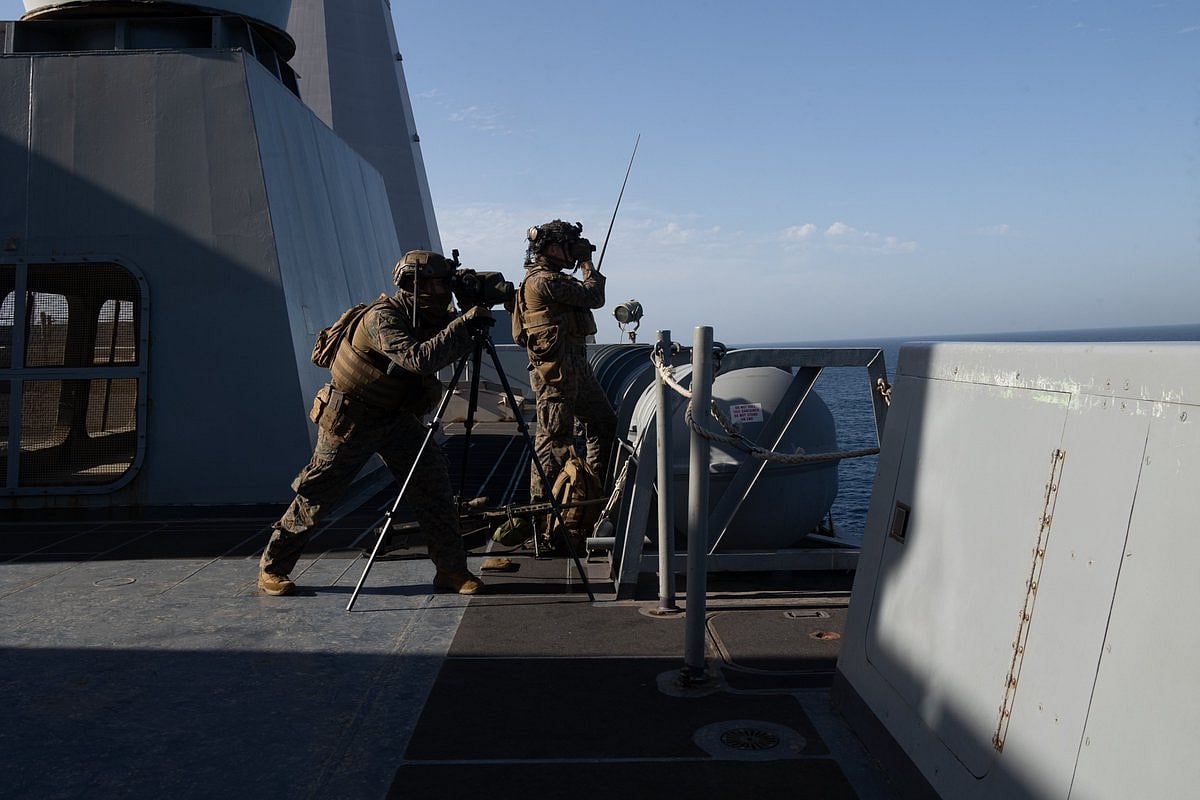
Officials said the operation is part of broader maritime enforcement activity across the region, with forces monitoring vessels entering or leaving Iranian waters amid heightened tensions.
Get updated faster and for FREE: Download the Gulf News app now - simply click here.
CENTCOM releases audio of naval enforcement
CENTCOM also released audio and video material showing US naval activity, including footage from the USS Michael Murphy (DDG-112), with aerial surveillance carried out by an embarked helicopter over the Gulf of Oman.
The visuals showed merchant vessels being tracked and contacted as part of interception procedures.
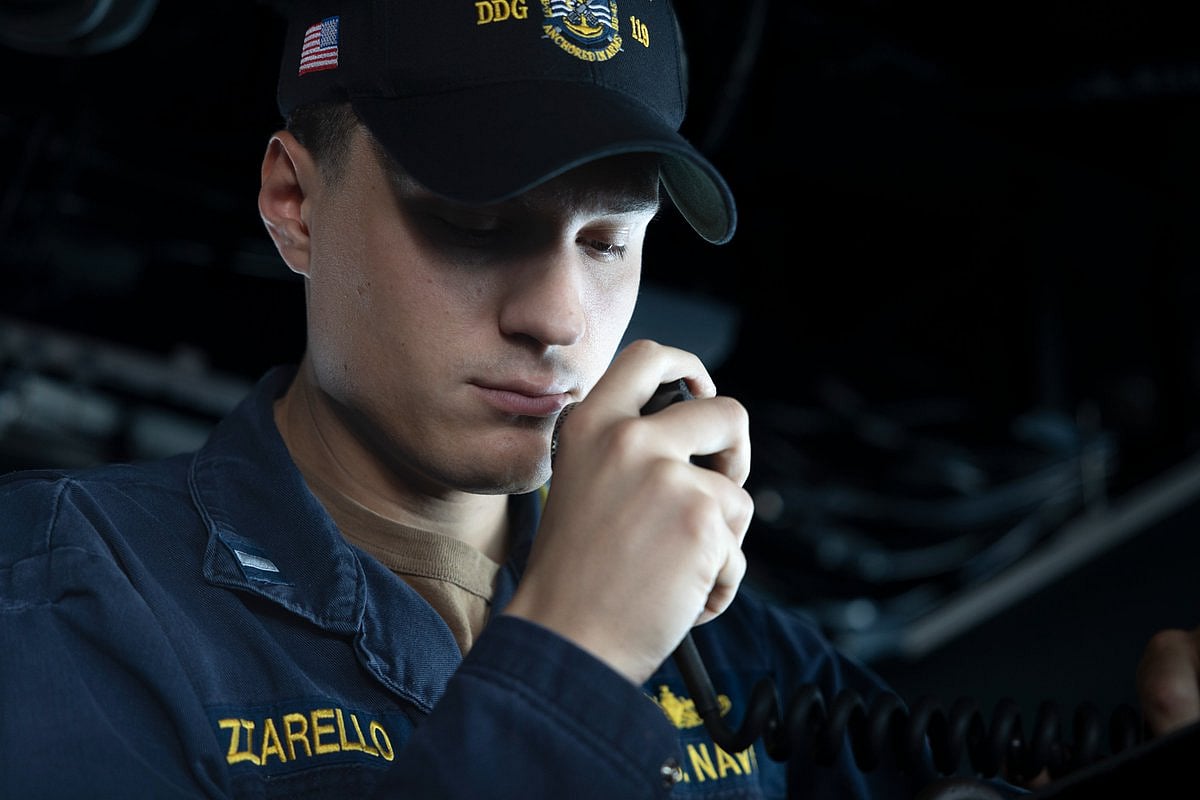
Audioof a Sailor aboard USS Michael Murphy (DDG 112), with video from the guided-missile destroyer’s embarked helicopter flying over the Gulf of Oman, as the U.S. Navy diverts a merchant vessel while enforcing the blockade on ships entering or departing Iranian ports. U.S.… pic.twitter.com/10QxlEoGkk
— U.S. Central Command (@CENTCOM) April 16, 2026
Ships ordered to reverse course
In a statement, CENTCOM said vessels complied with instructions from US forces to turn back towards Iranian ports or nearby coastal areas.
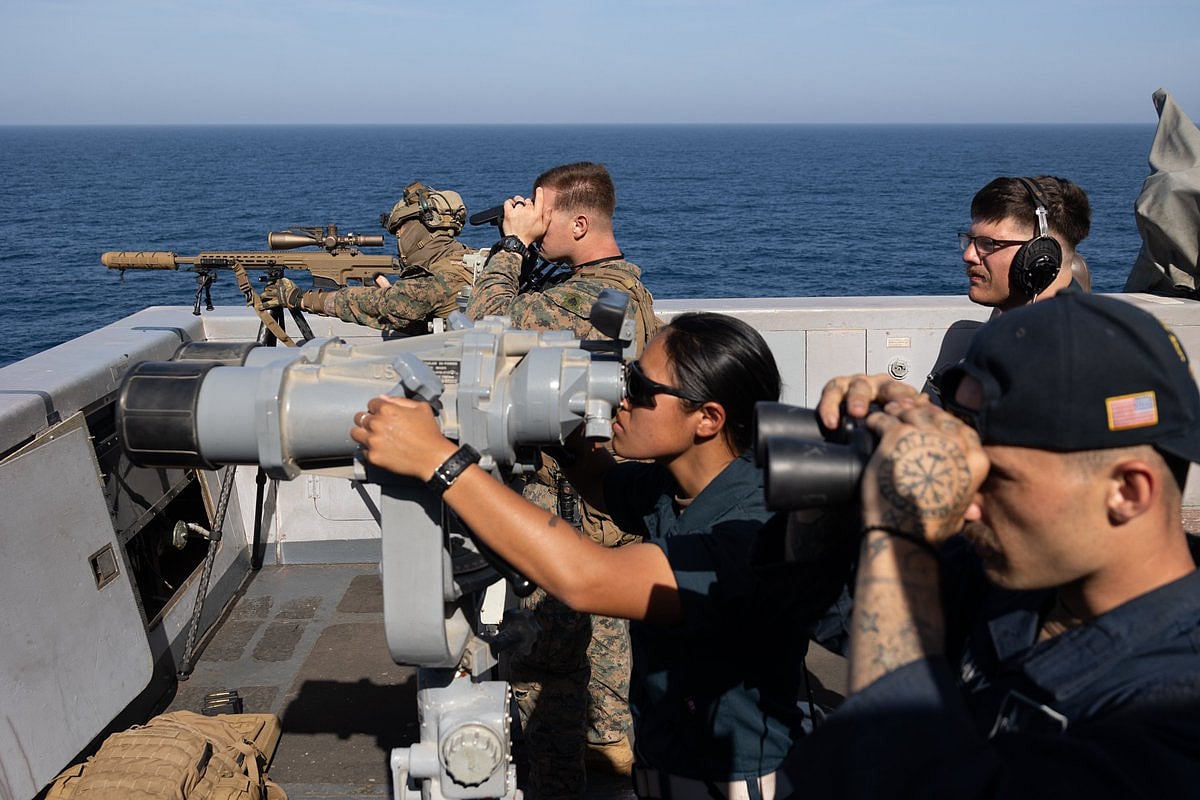
U.S. naval vessels are on patrol in the Gulf of Oman as CENTCOM continues to execute a U.S. blockade on ships entering and departing Iranian ports. U.S. forces are present, vigilant, and ready to ensure compliance. pic.twitter.com/dnHR2oz0ZN
— U.S. Central Command (@CENTCOM) April 15, 2026
The command said this builds on earlier operations in which several ships were also ordered to reverse course. A US official said the enforcement action has effectively halted maritime trade in and out of Iranian ports since the operation began.
U.S. forces are focused, vigilant, and highly motivated as they execute a blockade on vessels attempting to enter or exit Iranian ports. After 72 hours of enforcement, 14 vessels have turned around to comply with the blockade at the direction of American forces. pic.twitter.com/0n4dOXCx2e
— U.S. Central Command (@CENTCOM) April 16, 2026
Surveillance and military deployment
The US military also highlighted its regional deployment, including more than 10,000 personnel, over a dozen naval vessels and more than 100 aircraft operating across West Asia.
USS Abraham Lincoln (CVN 72) transits the Arabian Sea as the United States blockades Iran's ports and coastline. U.S. forces are NOT blockading the Strait of Hormuz. More than 10,000 American service members, 12+ ships, and 100+ aircraft have enforced the blockade in regional… pic.twitter.com/yQP4J1uSha
— U.S. Central Command (@CENTCOM) April 16, 2026
Scope of the blockade clarified
US officials stressed the restrictions apply specifically to Iranian ports and coastline, and do not amount to a closure of the Strait of Hormuz.
Chairman of the Joint Chiefs of Staff, Gen. Dan Caine, said the measures apply to all vessels, regardless of nationality, if they are entering or leaving Iranian ports. He added that enforcement operations may extend into international waters as part of broader maritime security efforts.
Wider pressure on maritime traffic
The US has also indicated it will target vessels suspected of supporting Iranian oil exports, including so-called “dark fleet” tankers operating outside international regulations.
Officials said US forces remain on high alert and capable of escalating operations if required, while maintaining the current enforcement posture.
The developments come as US naval assets continue operating across key waterways in the Gulf region, including the Gulf of Oman and surrounding strategic shipping lanes.