US naval blockade on Iran takes immediate effect
المصدر: البوابة | Source: البوابةALBAWABA- The United States has announced the immediate imposition of a sweeping naval enforcement operation targeting Iranian maritime access, marking a major escalation following the collapse of ceasefire negotiations in Islamabad.
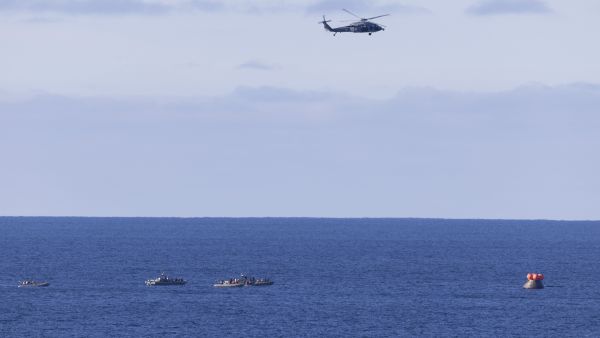
U.S. President Donald Trump said the measures, which took effect at 10:00 a.m. Eastern Time on April 13, authorize the U.S. Navy to interdict vessels entering or leaving Iranian ports and to enforce restrictions across the strategic Strait of Hormuz.
In a series of statements on Truth Social, Trump warned that ships linked to Iran would be stopped at sea, including vessels that had paid transit fees to Iranian authorities. He also directed U.S. forces to respond with force to any hostile action and to neutralise naval threats, including reported sea mines in the area.
The move follows the collapse of U.S.–Iran ceasefire talks in Islamabad, which were brokered by Pakistan and aimed at sustaining a fragile 15-day truce agreed earlier this month after weeks of military escalation in the region.
Iran strongly condemned the decision, with Foreign Minister Abbas Araghchi describing it as “economic warfare” and a violation of international law. He accused Washington of escalating tensions after failing to achieve its objectives through military pressure, warning that any enforcement of the blockade would trigger a “proportionate response” and endanger global energy flows.
The announcement immediately rattled global markets, with Brent crude prices rising sharply amid fears of disruption to shipping through the Strait of Hormuz, a critical passage for roughly one-fifth of global oil supplies.
The U.S. measures go beyond conventional sanctions, combining maritime enforcement with restrictions on shipping access, significantly raising the risk of direct naval confrontation in one of the world’s most sensitive maritime corridors.
The rapid escalation, coming just hours after the breakdown of talks, could further destabilise an already volatile regional security environment and complicate ongoing international efforts to restore a ceasefire.
ملاحظة تحريرية | Editorial Note: نُشر هذا المقال في الأصل بواسطة البوابة. خبر (Khabr) هي منصة إعلامية أردنية مرخّصة تعمل بالذكاء الاصطناعي. نضيف قيمة تحريرية من خلال: تحليل ذكي للأخبار، ملخصات تلقائية، رواية صوتية بالذكاء الاصطناعي، ترجمة متعددة اللغات، وتدقيق الحقائق. هدفنا جعل الأخبار أكثر وضوحاً وسهولةً للقارئ العربي.
This article was originally published by البوابة. Khabr is a licensed Jordanian AI-powered news platform (Registration #82086). We add editorial value through: AI-powered news analysis, automated summaries, AI audio narration, multi-language translation (Arabic, English, French, Turkish), and AI fact-checking. Our mission is to make news more accessible and understandable for Arabic-speaking audiences worldwide.