US-Iran talks: Inside Tehran’s 3-stage proposal to end the war
المصدر: Gulf News | Source: Gulf NewsDubai: Iran has outlined a three-stage proposal aimed at turning the fragile ceasefire with the United States into a permanent end to the war within 30 days, according to a report by Al Jazeera.
The plan, sent via mediators, prioritises de-escalation and the reopening of the Strait of Hormuz, while pushing the more contentious nuclear issue to later stages — an approach that highlights the continuing divide between Washington and Tehran.
Phase 1: Ending the war and reopening Hormuz
Permanent ceasefire within 30 days
Mutual non-aggression pledge, including Israel and regional actors
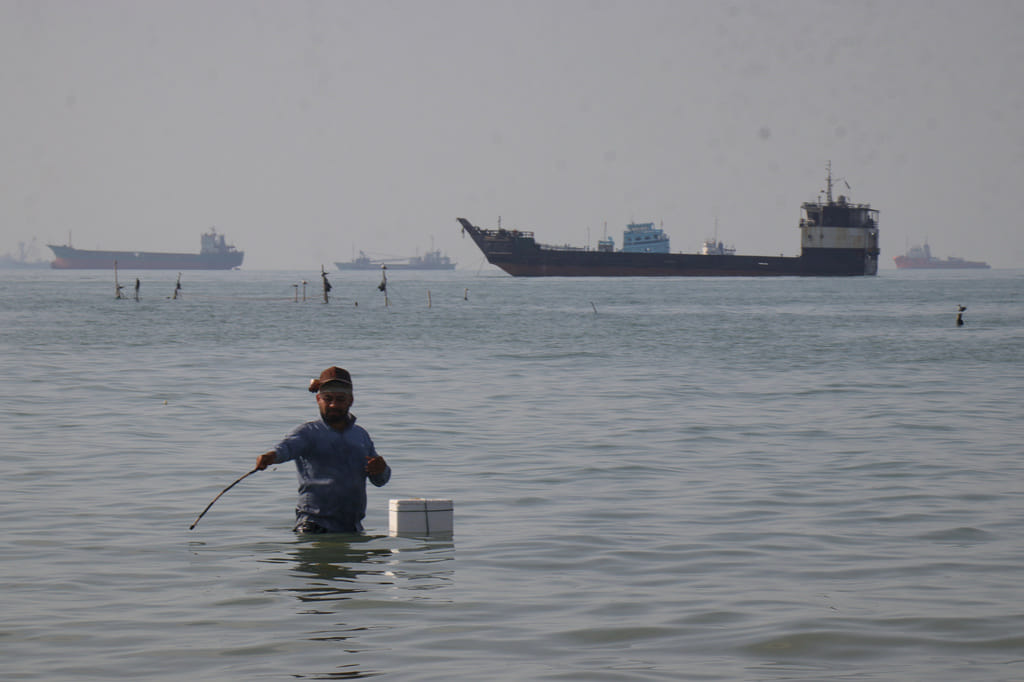
Gradual reopening of the Strait of Hormuz
Phased lifting of the US naval blockade on Iranian ports
Iran to take responsibility for clearing sea mines
Phase 2: Nuclear limits and conditions
Return to uranium enrichment capped at 3.6%
“Zero-stockpile” principle — no accumulation of enriched uranium
No dismantling of nuclear infrastructure or facilities
US and Israel to refrain from attacks in exchange for Iran halting strikes
Phase 3: Sanctions relief and regional framework
Gradual lifting of sanctions
Release of frozen Iranian assets in stages
Strategic dialogue with Arab neighbours
Proposal for a broader Middle East security framework
What does Trump want?
President Donald Trump has made clear that any deal must begin with strict limits on Iran’s nuclear programme, which he has repeatedly described as a red line.
Washington wants Iran to halt or sharply limit uranium enrichment, provide guarantees it will not develop nuclear weapons, and accept long-term international monitoring of its nuclear facilities.
The US has also pushed for the reopening of the Strait of Hormuz and an end to what it sees as Iran’s control over shipping through the waterway.
Trump has signalled scepticism about the latest proposal, saying Iran has “not yet paid a big enough price”, while warning that military action remains an option if tensions escalate.
The bottom line
Iran’s proposal prioritises ending the war and easing economic pressure first, while the United States insists on nuclear concessions upfront —leaving the talks deadlocked despite renewed diplomatic efforts.
ملاحظة تحريرية | Editorial Note: نُشر هذا المقال في الأصل بواسطة Gulf News. خبر (Khabr) هي منصة إعلامية أردنية مرخّصة تعمل بالذكاء الاصطناعي. نضيف قيمة تحريرية من خلال: تحليل ذكي للأخبار، ملخصات تلقائية، رواية صوتية بالذكاء الاصطناعي، ترجمة متعددة اللغات، وتدقيق الحقائق. هدفنا جعل الأخبار أكثر وضوحاً وسهولةً للقارئ العربي.
This article was originally published by Gulf News. Khabr is a licensed Jordanian AI-powered news platform (Registration #82086). We add editorial value through: AI-powered news analysis, automated summaries, AI audio narration, multi-language translation (Arabic, English, French, Turkish), and AI fact-checking. Our mission is to make news more accessible and understandable for Arabic-speaking audiences worldwide.