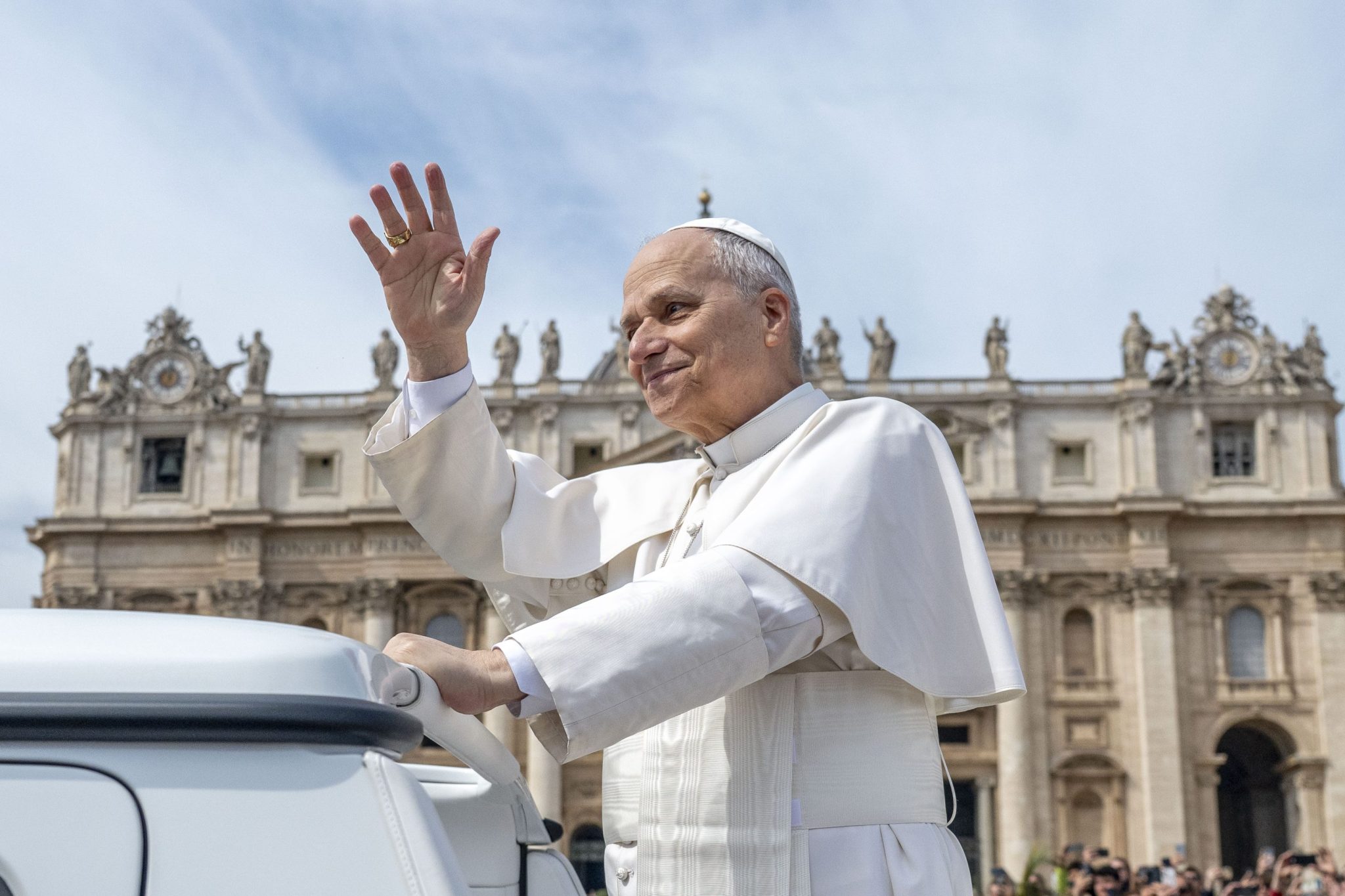
U.S. Catholic leaders criticize Trump for ‘disparaging words’ about the Pope as Vatican clash risks alienating Catholic voters
•President Donald Trump’s war of words with Pope Leo XIV has earned a strong rebuke from leading Catholic Church figures at home, and has threatened to splinter a voting bloc he dominated in 2024. ...
•Trump did not take kindly to the pontiff’s criticisms.
•In a social media post Sunday, the president called Pope Leo “weak on crime” and framed his views as liberal.
هذا الخبر من فورتشن العربية. خبر يقدم أدوات ذكاء اصطناعي للتلخيص والترجمة والاستماع.
المصدر: فورتشن العربية | Source: فورتشن العربيةPresident Donald Trump’s war of words with Pope Leo XIV has earned a strong rebuke from leading Catholic Church figures at home, and has threatened to splinter a voting bloc he dominated in 2024.
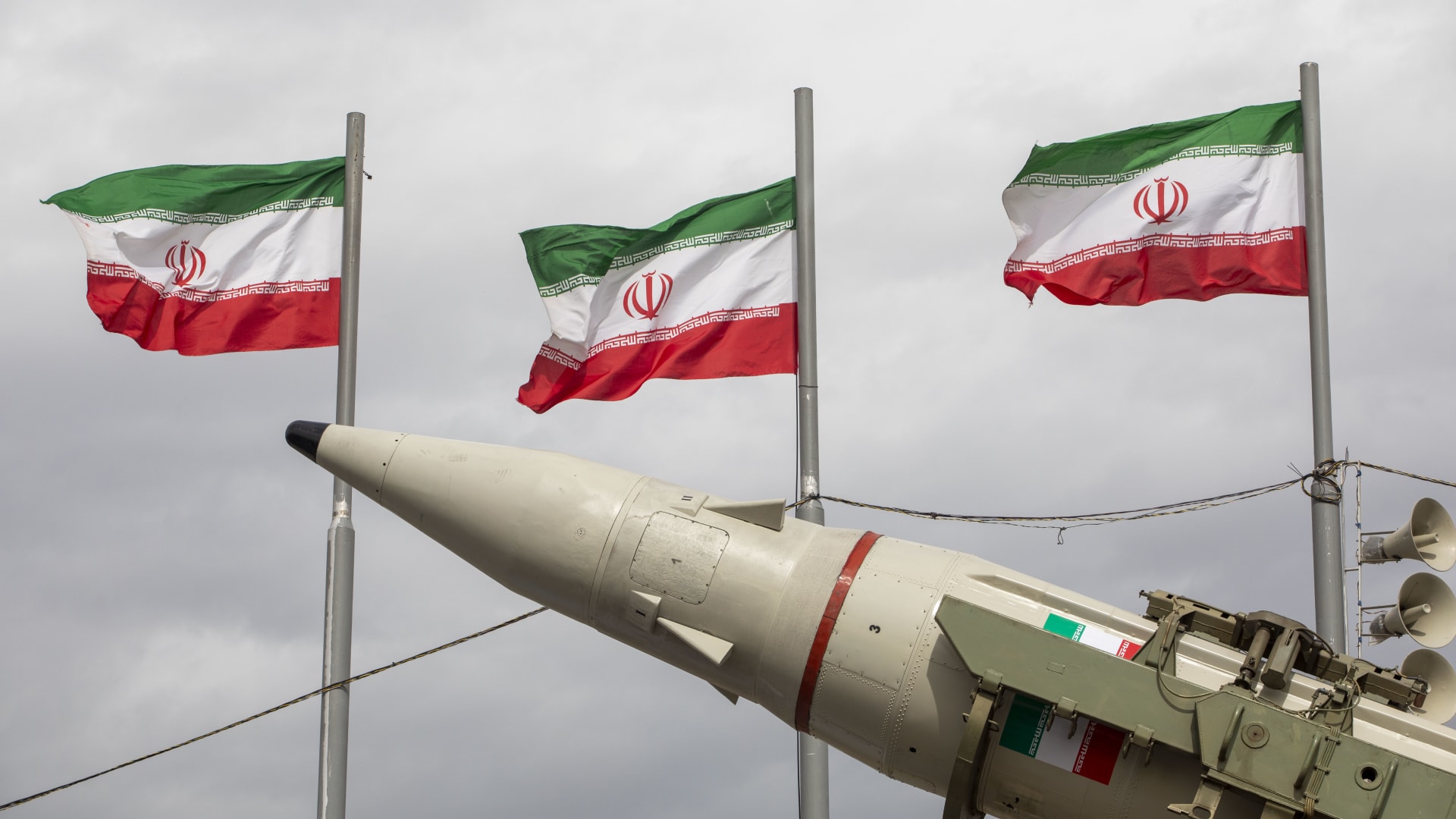
Catholic bishops and leaders from across the country have spent the week reacting to Trump’s repeated attacks directed at the pope, who last week criticized the president’s plans to target Iranian civil infrastructure as “truly unacceptable.” Earlier in April, during Easter Mass, Pope Leo had made an explicit call for “those who have weapons” to cease hostilities and seek peace.
Trump did not take kindly to the pontiff’s criticisms. In a social media post Sunday, the president called Pope Leo “weak on crime” and framed his views as liberal. Trump also claimed the first American pope elected to the position should be thankful to him, stating: “If I wasn’t in the White House, Leo wouldn’t be in the Vatican.”
Past conflicts between the president and the pope
It isn’t the first time a U.S. president has verbally sparred with a sitting pope. During his first term, Trump verbally sparred with Pope Francis, Leo’s predecessor, over his border wall plans. In the 1990s and 2000s, Pope John Paul II debated presidents on the moral merits of sensitive topics including abortion and stem cell research.
But the spat between Trump and Pope Leo has drawn routine condemnation from many influential religious voices in the U.S., a concerning sign for Republicans ahead of the November midterms, as the party’s base grows increasingly fractured over the war’s fallout.
“I am disheartened that the President chose to write such disparaging words about the Holy Father. Pope Leo is not his rival; nor is the Pope a politician,” Archbishop Paul Coakley, president of the U.S. Catholic bishops’ conference, wrote in a statement on Sunday.
Many prominent Church voices sided with Pope Leo’s call for peace. Archbishop Gregory Hartmayer of Atlanta this week reaffirmed the pope’s call to “lay down weapons, choose dialogue, protect innocent life.”
Even proclaimed Trump allies have criticized the president’s choice of words, such as Bishop Robert Barron of Winona-Rochester, who this week called Trump’s comments “entirely inappropriate and disrespectful,” adding “the President owes the Pope an apology.”
As the week progressed and Trump escalated his rhetoric toward Pope Leo, more recriminations came in. Many criticized an AI-generated image, shared by Trump, depicting the president as a healing figure resembling Jesus Christ. Trump later attempted to play down the comparison while refusing to apologize to the pope, but Catholic leaders nonetheless protested loudly against the post, which was later removed.
The Ancient Order of Hibernians, the country’s largest organization of Irish Catholics, released a statement Tuesday saying the image had “amplified the offense” of Trump’s original remarks, calling the act “sacrilege and a defamation of the faith.”
“When a president mocks the Vicar of Christ and then cloaks himself in Christ’s image, he has left the realm of politics entirely,” the statement read. “He has committed an act of desecration against a faith held sacred by over a billion souls.”
What is a just war?
Trump’s clash with the pope has reignited debates in certain factions of the president’s party over what constitutes a religiously justified war. Administration officials including Defense Secretary Pete Hegseth have used the language of a just war to promote the campaign in the Middle East, which is currently on pause as part of a negotiated ceasefire.
But spiritual voices in the country are less convinced. Bishop James Massa, chairman of the U.S. Catholic bishops conference, wrote on Wednesday a nation can only be said to be waging a just war, as defined by the Catholic Church, when it acts “in self-defense, once all peace efforts have failed.”
“That is, to be a just war it must be a defense against another who actively wages war,” Massa wrote.
The fissure between the administration and religious authorities risks driving a wedge between Trump’s party and a potentially crucial voting bloc ahead of next fall’s midterms. Catholic voters went for Trump in 2024, when he took 55% of that demographic’s vote to then-Vice President Kamala Harris’ 43%. Catholics have proven to be a formidable swing group in elections, and according to exit polls, comprise around one in five voters. In 2020, former President Joe Biden won with 50% of Catholics to Trump’s 49%.
For his part, Pope Leo affirmed this week he had “no fear” of the Trump administration and he would continue to speak out against the war. With a growing cohort of prominent Catholic voices joining him, what started as a verbal spat has escalated into a theological debate involving large swathes of the American electorate, at one of the worst possible times for the Republican Party.
This story was originally featured on Fortune.com
ملاحظة تحريرية | Editorial Note: نُشر هذا المقال في الأصل بواسطة فورتشن العربية. خبر (Khabr) هي منصة إعلامية أردنية مرخّصة تعمل بالذكاء الاصطناعي. نضيف قيمة تحريرية من خلال: تحليل ذكي للأخبار، ملخصات تلقائية، رواية صوتية بالذكاء الاصطناعي، ترجمة متعددة اللغات، وتدقيق الحقائق. هدفنا جعل الأخبار أكثر وضوحاً وسهولةً للقارئ العربي.
This article was originally published by فورتشن العربية. Khabr is a licensed Jordanian AI-powered news platform (Registration #82086). We add editorial value through: AI-powered news analysis, automated summaries, AI audio narration, multi-language translation (Arabic, English, French, Turkish), and AI fact-checking. Our mission is to make news more accessible and understandable for Arabic-speaking audiences worldwide.