Britain's long-term Government borrowing costs surged to their highest level in nearly three decades on Tuesday afternoon, as fears surrounding the Iran conflict continued to unsettle financial markets.
The yield on 30-year gilts climbed by 0.14 percentage points to 5.798 per cent, marking the highest level recorded since 1998.
Shorter-term debt also came under pressure, with 10-year gilt yields rising by 0.15 percentage points to 5.122 per cent, although this remains below peaks recorded last month.
The increase reflects growing concern among investors that the ongoing Middle East crisis will push energy costs higher and fuel inflationary pressures.
Bond yields move inversely to prices, meaning the Government must offer higher returns to attract buyers when yields rise.
Sterling held steady at 1.353 against the dollar during the same period.
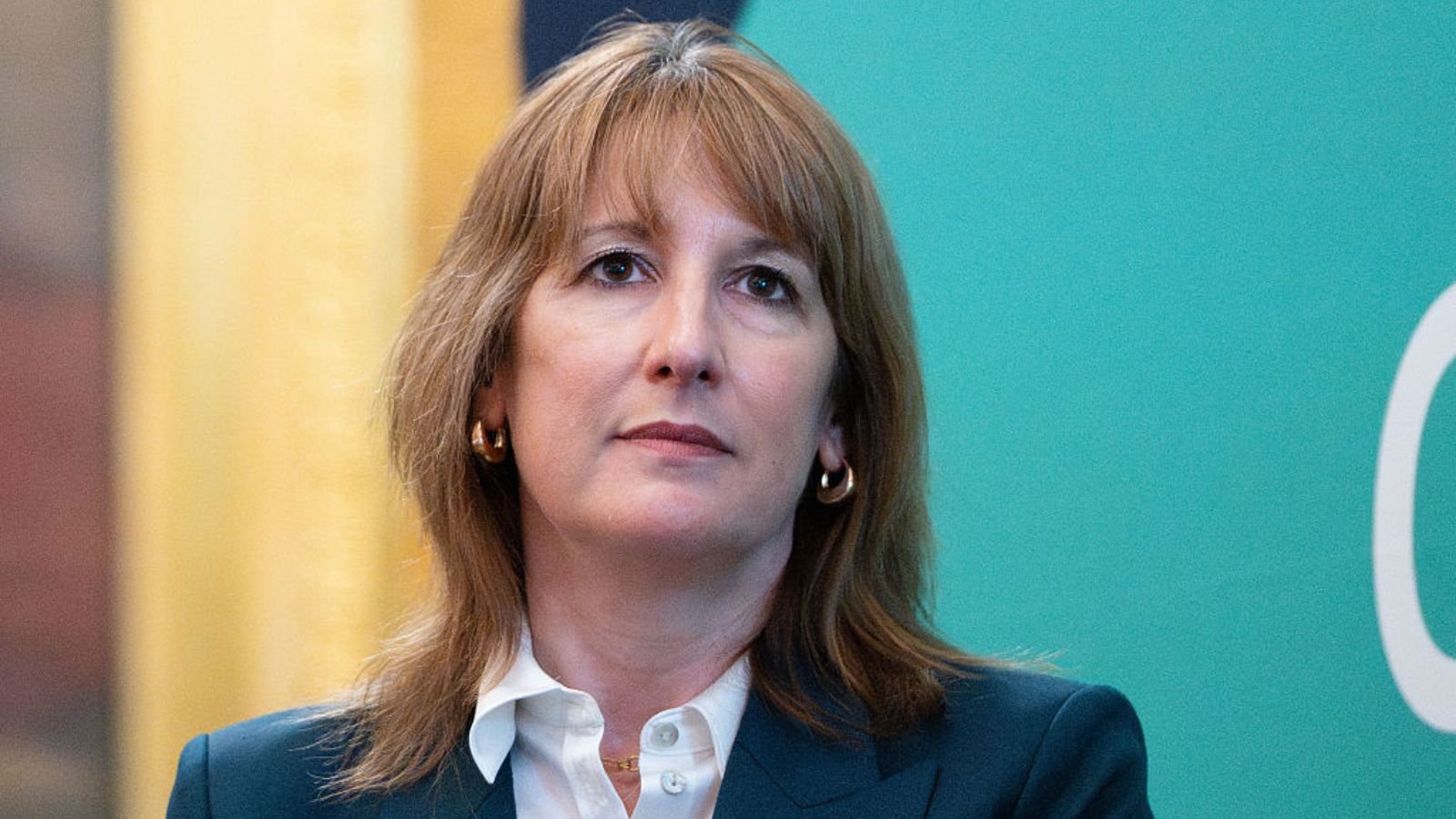
Susannah Streeter, chief investment strategist at Wealth Club, said: "UK gilt yields have edged even higher as painful energy prices and the tense Middle East situation mean multiple interest rate hikes look likely."
City traders are now pricing in at least two interest rate increases from the Bank of England in the coming months, despite the central bank holding borrowing costs at 3.75 per cent last week.
Ms Streeter said: "There's also unease ahead of the local elections, with Labour expected to take a drubbing in the polls."
Investors remain concerned that any signs of political instability could prompt a shift towards less fiscally disciplined policies.
The rise in borrowing costs presents a challenge for Chancellor Rachel Reeves as she navigates an increasingly constrained fiscal position.
Higher gilt yields translate directly into increased debt interest payments, reducing the Treasury's capacity to allocate funding to other priorities.
LATEST DEVELOPMENTS
- Digital ID fears grow as expert warns Britons would need approval to use their own money
- Airlines axe millions of seats amid warning jet fuel could fall to 'critically low levels'
- Rachel Reeves's mansion tax to cost £380million before raising a penny

Ms Streeter said: "At a time when calls are growing for extra support for cash-strapped households and businesses, higher borrowing costs mean the Treasury's room for manoeuvre is shrinking, with more revenue being absorbed by debt interest payments."
The timing coincides with the approach of local elections, with Prime Minister Sir Keir Starmer facing continued political pressure.
Ms Reeves has said that any financial support for households affected by the Iran crisis would be "targeted" rather than universal.
A Downing Street spokesperson confirmed that the Chancellor had briefed ministers on the fiscal outlook.
The effects of rising yields are also being felt across the wider economy.
Ms Streeter said mortgage borrowers are particularly exposed, as fixed-rate deals are closely linked to swap rates which track gilt movements.
She said: "As yields have risen, some of the cheaper deals have been pulled, and lenders are likely to remain cautious about the path ahead."
Housebuilder shares moved lower in early trading as investors assessed the potential impact on property demand.
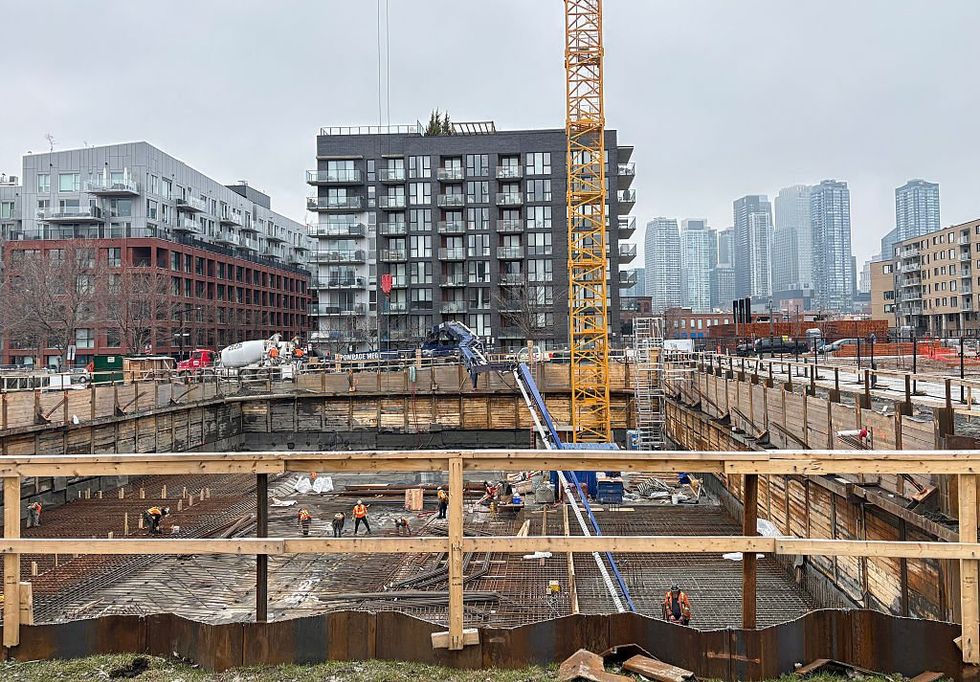
Elevated borrowing costs are also expected to weigh on business investment decisions, with companies potentially delaying large-scale projects.
Ms Streeter said: "This may force increasingly difficult choices higher taxes or tighter public spending elsewhere."
The increase in costs comes amid existing concerns from businesses about hiring, particularly among younger workers, with taxation pressures cited as a contributing factor.
Our Standards: The GB News Editorial Charter