⚡ عاجل: كريستيانو رونالدو يُتوّج كأفضل لاعب كرة قدم في العالم●⚡ أخبار عاجلة تتابعونها لحظة بلحظة على خبر●⚡ تابعوا آخر المستجدات والأحداث من حول العالم●
AI اقتراحات ذكية
AI مباشر|--مشاهد مباشر
1,074,526مقال401مصدر نشط228قناة مباشرة3,870خبر اليوم
آخر تحديث:منذ 5 ثواني
UAE's amended medical licensing rules to transform healthcare delivery, experts say on World Health Day
•Dubai: On World Health Day observed every April 7, health leaders and fresh graduates explain why the UAE's landmark decision to let medical faculty practise in hospitals and waive the six-month exper...
•Simultaneously, registered nurses, assistant nurses, medical laboratory technicians, respiratory care technicians, and healthcare assistants graduating from institutions within and outside the UAE wil...
•In most systems, education, regulation, and clinical practice operate in silos, which creates delays in moving trained professionals into active roles.
هذا الخبر من Gulf News. خبر يقدم أدوات ذكاء اصطناعي للتلخيص والترجمة والاستماع.
Dubai: On World Health Day observed every April 7, health leaders and fresh graduates explain why the UAE's landmark decision to let medical faculty practise in hospitals and waive the six-month experience rule for some health graduates, is a gamechanger for the country's healthcare system.
Last week, the UAE announced the sweeping overhaul of its medical licensing framework allowing academic faculty at medical colleges to practise clinically in hospitals while removing the mandatory six-month post-graduation internship experience requirement for certain health graduates.
Industry leaders say the decision announced on April 1 by the Ministry of Health and Prevention (MoHAP), in coordination with the ministries of higher education and human resources, is set to significantly strengthen the country's healthcare workforce and elevate service delivery.
It enables physicians and health professionals serving as university faculty to now work within healthcare facilities. Simultaneously, registered nurses, assistant nurses, medical laboratory technicians, respiratory care technicians, and healthcare assistants graduating from institutions within and outside the UAE will no longer need to wait six months before obtaining their professional licence.
Health executives, hospital groups, and newly licensed graduates told Gulf News the reforms could not have come at a better time.
Bridging the gap
Avinav Nigam, Founder and CEO of TERN Group, an AI-powered healthcare workforce infrastructure platform that supports Emirates Health Services (EHS) in the UAE, says the reforms address one of the most persistent structural problems in health systems globally.
"The UAE's decision to allow medical faculty to work within hospitals while easing licensing pathways is a strong step towards building a more integrated healthcare workforce. In most systems, education, regulation, and clinical practice operate in silos, which creates delays in moving trained professionals into active roles. The challenge is rarely the availability of talent, but how efficiently that talent moves through the system," he says.
Nigam believes AI-led tools can accelerate the impact of such policy changes. "AI can further strengthen this by making processes like credential verification, compliance tracking, and skill mapping more structured and transparent, enabling more predictable workforce planning. Ultimately, the real impact comes from connecting these systems more seamlessly and this is a strong step in that direction for the UAE."
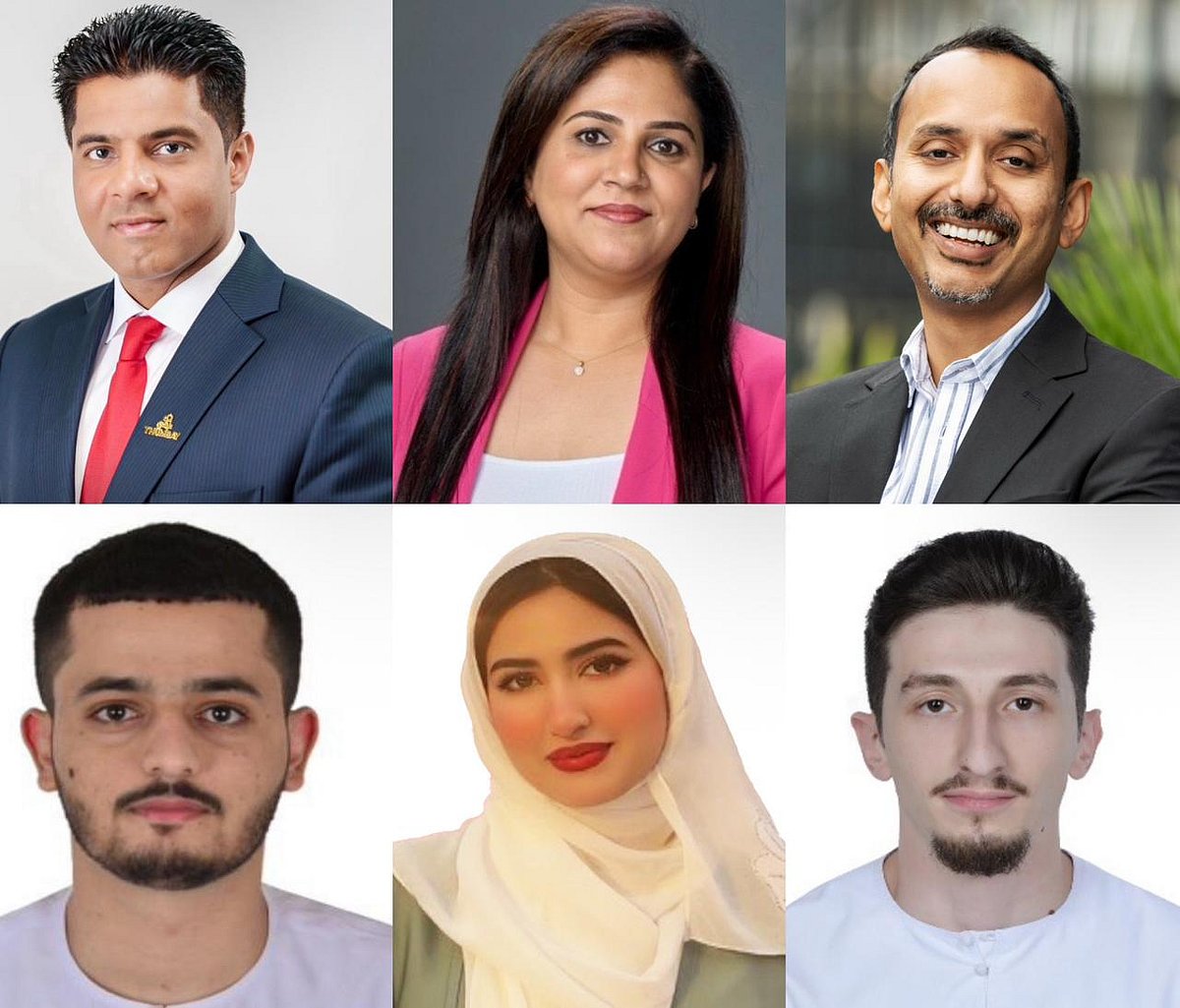
Clockwise: Akbar Moideen Thumbay, Sanitha Ron, Avinav Nigam, Saif Kitaz, Andleeb Yousuf and Mohammed Fares Mohammed Alassady
Education meets practice
Sanitha Ron, Group Head of Human Resources at Medcare Hospitals and Clinics, says the policy will raise the bar on both patient care and professional training.
"The policy to enable academic professionals to gain firsthand experience in hospital settings will improve quality outcomes for patients, in addition to enhancing training standards. As educators bring their academic insights into hospital environments, clinicians and trainees will benefit from exposure to the latest global research and teaching practices," she says.
Ron adds that the reform opens the door to deeper collaboration between hospitals and universities. "This new initiative will help healthcare providers expand their partnerships with medical colleges and training centres, both within and outside the UAE. Hospitals can also create structured mentorship programmes, clinical practice-based research opportunities, and faculty-led clinical rotations, resulting in highly engaging multiple learning environments where education and patient care advance side by side."
She says the simplified licensing pathway is equally significant. "The policy will simplify licensing pathways, encouraging more young healthcare professionals to enter the workforce quickly and confidently."
A teaching model validated
For Thumbay Group, one of the UAE's largest integrated healthcare and academic networks, the announcement is a formal recognition of a model it has long championed.
Akbar Moideen Thumbay, Vice President, Healthcare Division and Board Member of Thumbay Group, says: "Thumbay Healthcare has long operated as a teaching healthcare network, where our clinicians are actively involved in academic training alongside patient care. We are glad to see this model being recognised and supported at a national level."
He describes the dual reforms as mutually reinforcing. "Allowing medical faculty to practise in hospitals is vital for strengthening academic medicine, ensuring that education remains closely aligned with real-world clinical practice. At the same time, easing licensing requirements for graduates is a highly positive step that will help accelerate the integration of skilled professionals into the healthcare system."
Meanwhile, several recent graduates from Gulf Medical University (GMU), part of the Thumbay Group, have already benefitted from the exemption, with upcoming batches equally excited about its prospects.
Get updated faster and for FREE: Download the Gulf News app now - simply click here.
Meet first beneficiaries
For those on the ground, the change has already made a tangible difference.
Mohammed Fares Mohammed Alassady, a medical laboratory technologist from Yemen who graduated from GMU and now works with Ajman Public Health's Preventive Medicine Department, says the old requirement had created an unnecessary bottleneck.
"Previously, the additional training period could delay our transition into the workforce despite being academically and clinically prepared. This new initiative has allowed me to move forward more quickly and begin contributing without unnecessary delay," he says, adding that he has since taken up a role as a Medical Laboratory Technologist at PureLab, where he supports diagnostic services and patient care.
Andleeb Yousuf, an alumna of the Bachelor of Science in Nursing programme at GMU’s College of Nursing, graduated with a GPA of 3.95 and completed more than 1,600 clinical hours across diverse placements during her third and fourth years.
The Pakistani expat says that early and extensive hands-on training meant she was ready to enter the workforce without a further waiting period. "I feel fortunate to have obtained my MOH and DHA licences without undergoing the six-month internship requirement and to have secured employment soon after graduation," she says.
Saif Kitaz, a nursing graduate from Syria who studied at GMU, echoes that sentiment. With a GPA of 3.93 and clinical exposure from his first year at Thumbay University Hospital, Kitaz says the structured academic environment had already prepared him thoroughly.
"I was fortunate to obtain my MOH licence immediately after graduation without the requirement of a six-month internship and to secure a position as a Staff Nurse at Thumbay University Hospital," he says.
Stronger system ahead
The reforms are part of a broader drive by UAE authorities to modernise the national licensing framework in line with the country's 'We the UAE 2031' vision. Officials say the changes will strengthen the link between education and clinical practice, uphold unified licensing standards, and help maximise the value of human capital while maintaining high standards of care.
Dr Amin Al Amiri, Assistant Undersecretary for the Health Regulation Sector at MoHAP, had said the decisions reflect an institutional approach that balances regulatory flexibility with strong governance standards, noting that enabling academic faculty to practise will enrich the healthcare environment with advanced expertise and improve overall system efficiency.
For industry leaders, this World Health Day marks more than a calendar milestone: it signals a structural shift in how the UAE builds, deploys, and sustains its healthcare workforce for the decade ahead.
ملاحظة تحريرية | Editorial Note:
نُشر هذا المقال في الأصل بواسطة Gulf News.
خبر (Khabr) هي منصة إعلامية أردنية مرخّصة تعمل بالذكاء الاصطناعي.
نضيف قيمة تحريرية من خلال: تحليل ذكي للأخبار، ملخصات تلقائية، رواية صوتية بالذكاء الاصطناعي، ترجمة متعددة اللغات، وتدقيق الحقائق.
هدفنا جعل الأخبار أكثر وضوحاً وسهولةً للقارئ العربي.
This article was originally published by Gulf News.
Khabr is a licensed Jordanian AI-powered news platform (Registration #82086).
We add editorial value through: AI-powered news analysis, automated summaries, AI audio narration, multi-language translation (Arabic, English, French, Turkish), and AI fact-checking.
Our mission is to make news more accessible and understandable for Arabic-speaking audiences worldwide.
هذا الخبر ضمن تغطية خبر لقسم صحة.
نقدّم لك تحليلات ذكية وملخصات يومية لأهم الأخبار من مصادر موثوقة متعددة.
المصدر: Gulf News.
يوجد 6 مقالات مرتبطة بهذا الموضوع.
This article is part of Khabr's coverage of Health.
We provide AI-powered analysis, summaries, and multi-source aggregation to keep you informed.
Source: Gulf News.
Tags: healthcare, licensing, World Health Day.
🍪 نستخدم ملفات تعريف الارتباط لتحسين تجربتك وعرض الإعلانات المخصصة. باستخدامك للموقع، فإنك توافق على سياسة ملفات تعريف الارتباط وسياسة الخصوصية.
We use cookies to enhance your experience and show personalized ads. By using this site, you agree to our Cookie Policy and Privacy Policy.
🔍
FREEFree 1GB Internet + Free International Calls
$1 trial — eSIM in 190+ countries — No roaming charges