⚡ عاجل: كريستيانو رونالدو يُتوّج كأفضل لاعب كرة قدم في العالم●⚡ أخبار عاجلة تتابعونها لحظة بلحظة على خبر●⚡ تابعوا آخر المستجدات والأحداث من حول العالم●
AI اقتراحات ذكية
AI مباشر|--مشاهد مباشر
915,253مقال401مصدر نشط228قناة مباشرة4,124خبر اليوم
آخر تحديث:منذ 0 ثانية
UAE tomato farm cuts import risk with 150,000kg local supply push
•Dubai: A new tomato farm in Al Ain is set to produce 150,000 kilograms of fresh tomatoes a year, adding to the UAE’s push to grow more food locally at a time when global supply chains remain exposed t...
•The company says the model can reduce water use by up to 90% while delivering produce to retail and HORECA Hotel, Restaurant, and Café (or Catering)) customers within 24 to 48 hours of harvest.Get upd...
•Producing more locally can improve freshness, reduce waste and give buyers a more stable supply of a high-consumption product.“Tomatoes are one of the most widely consumed fresh produce items across h...
هذا الخبر من Gulf News. خبر يقدم أدوات ذكاء اصطناعي للتلخيص والترجمة والاستماع.
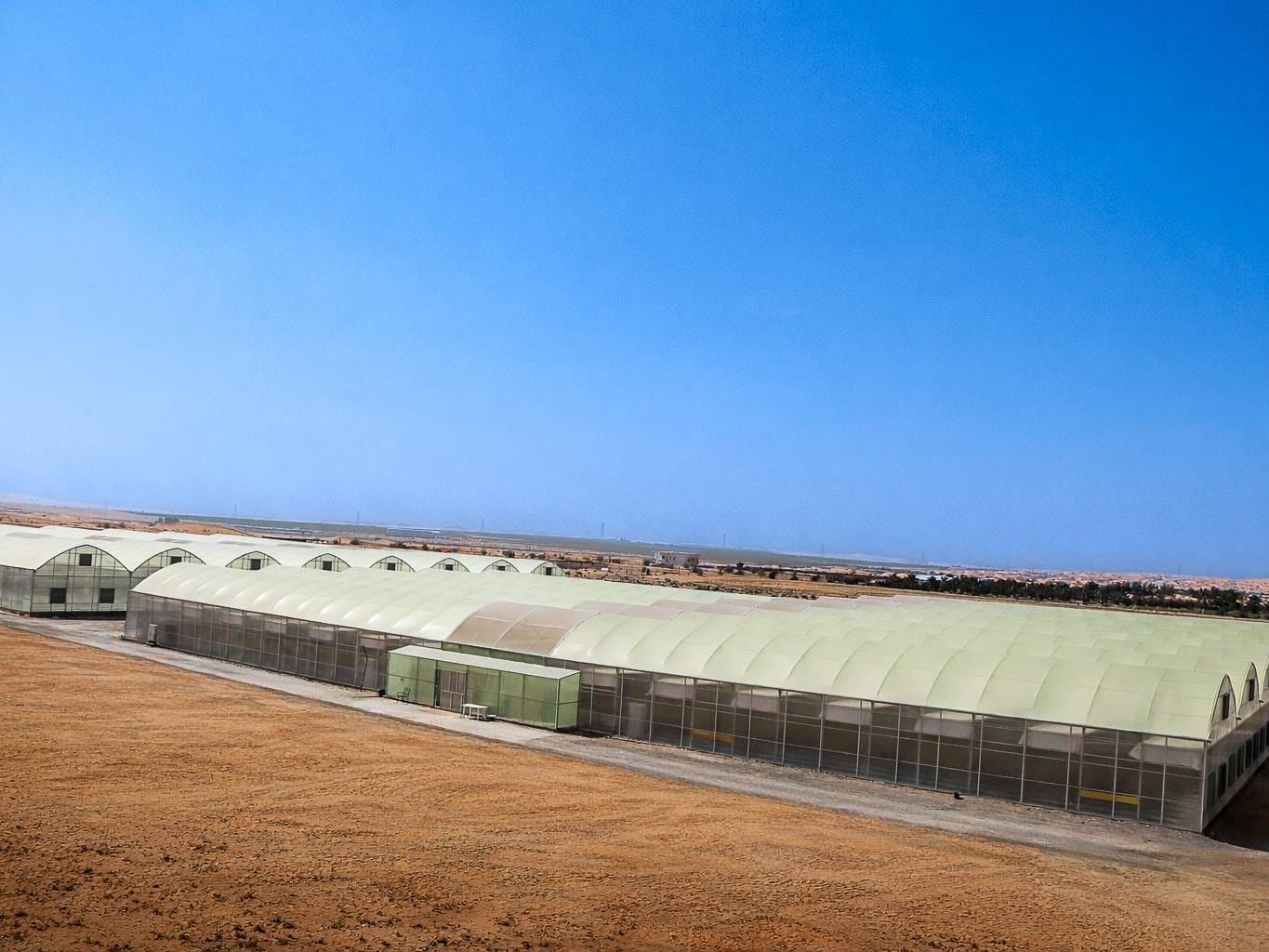
Dubai: A new tomato farm in Al Ain is set to produce 150,000 kilograms of fresh tomatoes a year, adding to the UAE’s push to grow more food locally at a time when global supply chains remain exposed to shipping delays, freight costs and regional disruption.
Sign up for our daily business newsletter, Cheques & Balances.
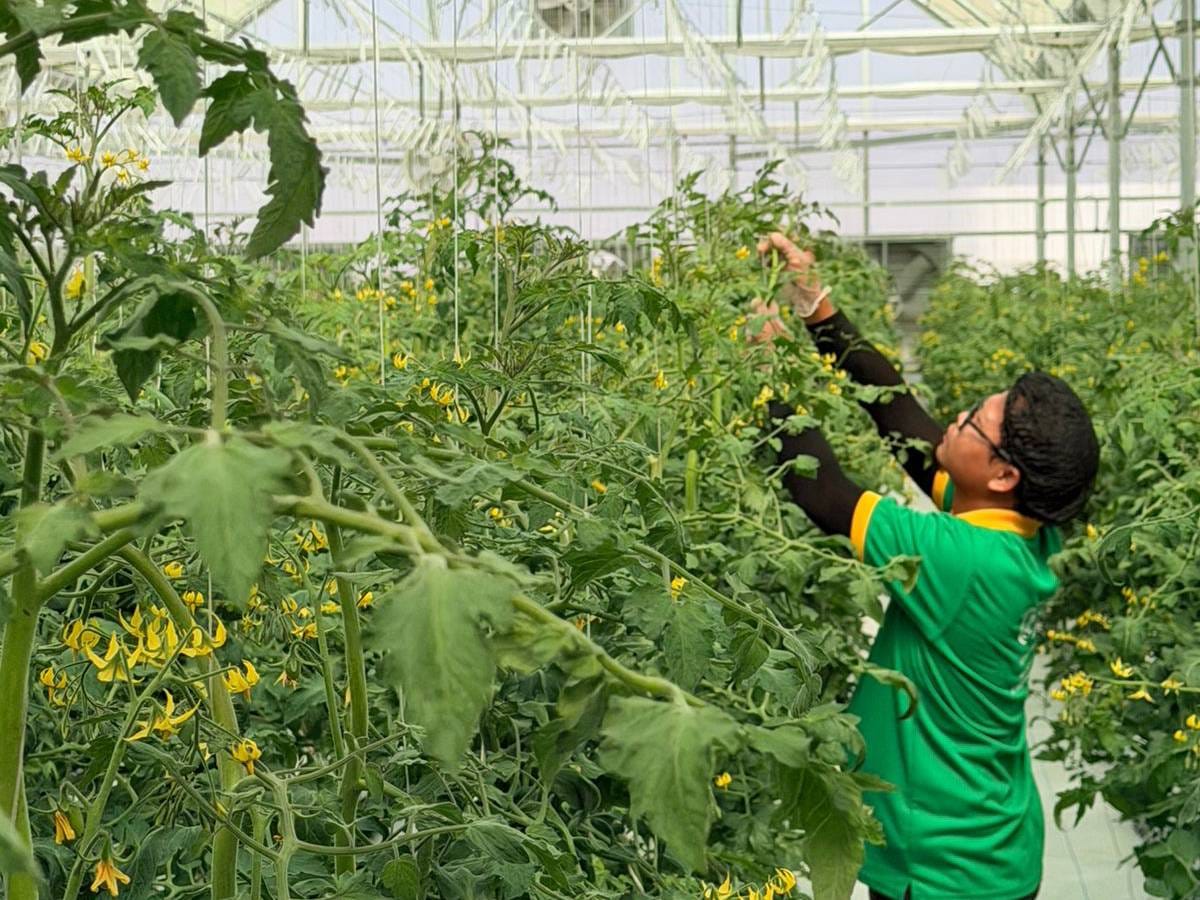
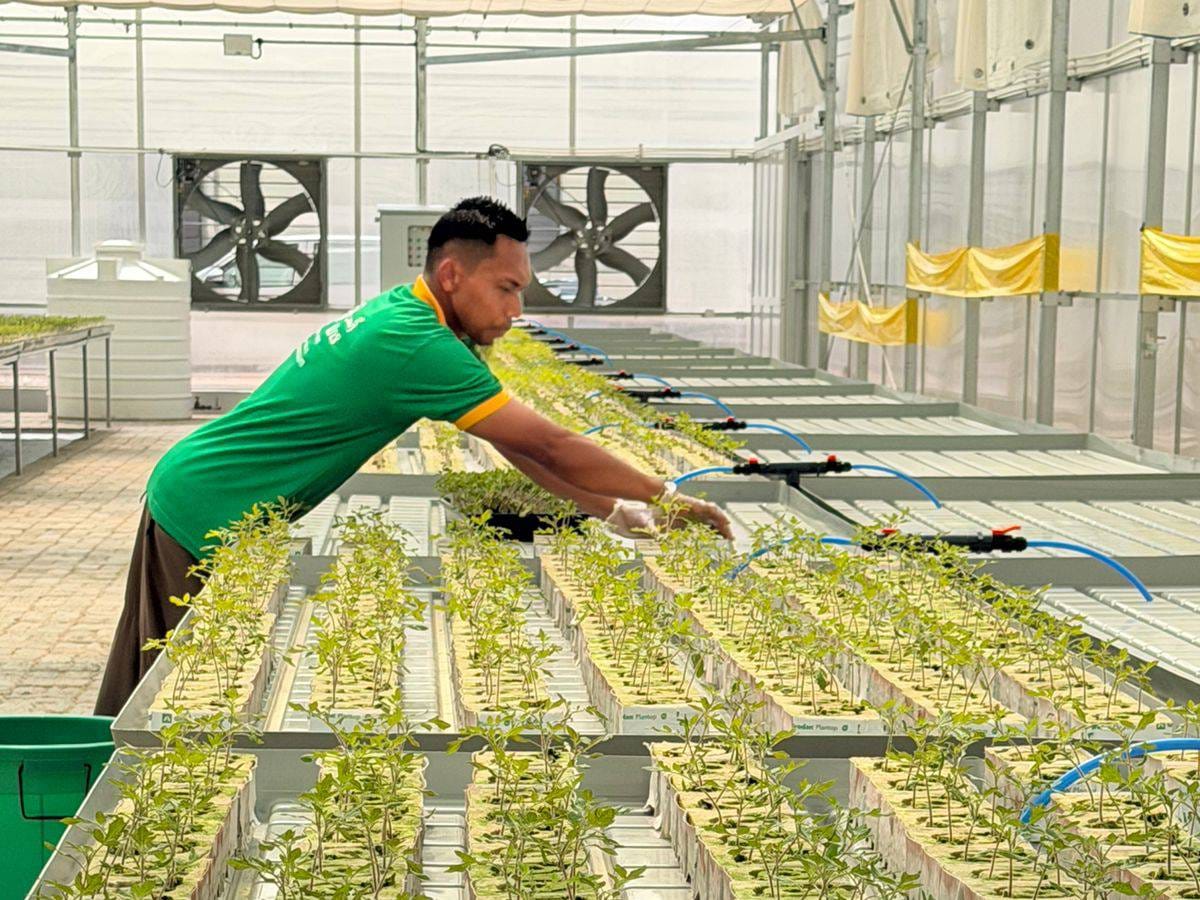
The 10,000-square-metre facility, developed by UNS Vertical Farms, uses controlled-environment agriculture, hydroponics, IoT and AI to grow tomatoes year-round in a country where arid conditions make traditional farming difficult. The company says the model can reduce water use by up to 90% while delivering produce to retail and HORECA Hotel, Restaurant, and Café (or Catering)) customers within 24 to 48 hours of harvest.
Get updated faster and for FREE: Download the Gulf News app now - simply click here.
Tomatoes are used daily across homes, restaurants, hotels and retailers, but much of the UAE’s supply still depends on imports. Producing more locally can improve freshness, reduce waste and give buyers a more stable supply of a high-consumption product.
“Tomatoes are one of the most widely consumed fresh produce items across households, retail, and the HORECA sector in the UAE, making them a high-impact category for local production,” Mehlam Murtaza, Director of UNS Vertical Farms, told Gulf News.
“Focusing on tomatoes allows us to address a very practical and immediate need. Even a moderate increase in local production can directly reduce reliance on imports while improving freshness and availability.”
Why tomatoes first
UNS Farms says the crop performs well in controlled-environment agriculture, making it a strong category for commercial scaling in the UAE.
At a national level, 150,000 kilograms will not close the import gap by itself. Murtaza said the importance lies in proving a model that can be replicated across the country.
“At a national level, 150,000 kg is a relatively small contribution, but for a single controlled-environment facility, it represents a strong and efficient output,” he said.
“More importantly, it demonstrates a scalable model. If similar facilities are replicated across the UAE, the cumulative impact can be significant in reducing import dependency and strengthening supply consistency.”
Imports will continue to remain necessary, particularly for certain varieties and periods of peak demand. Local production, however, can take a larger share of everyday consumption if more farms are built around high-demand crops suited to controlled environments.
Food security becomes practical
Food security often sounds like a national strategy, but for consumers and retailers it becomes practical during periods of uncertainty. Delayed shipments, higher freight costs and disrupted sourcing can affect availability, freshness and pricing.
“In periods of global uncertainty, local production becomes extremely important,” Murtaza said.
“Farms like ours help reduce exposure to shipping delays, geopolitical disruptions, and fluctuating freight costs. By producing closer to the point of consumption, we can ensure more consistent availability for retailers, restaurants, and consumers.”
The farm’s shorter supply chain gives it an advantage over imported produce, which is often picked and packed for long-distance travel. UNS Farms says its tomatoes can reach shelves and customers within 24 to 48 hours of harvest, helping reduce spoilage and improve shelf life.
“Yes, it makes a very tangible difference,” Murtaza said. “Shorter delivery times mean produce reaches consumers much fresher, which improves taste, texture, and shelf life. It also reduces spoilage and waste across the supply chain, particularly for retailers and the HORECA sector.”
He said reducing transit time from several days to under 48 hours can cut post-harvest losses by an estimated 20% to 30%, depending on handling and storage conditions.
Water use is the bigger test
In the UAE, the real challenge for local agriculture is not only land or technology. It is water.
Traditional farming is difficult to scale in an arid climate without adding pressure on limited water resources. Controlled-environment farming works differently by recycling and reusing water through closed-loop systems.
Mehlam Murtaza, Director , UNS Vertical Farms
“Water efficiency is critical in the UAE, both from a sustainability and a commercial standpoint,” Murtaza said.
“Traditional farming methods consume large amounts of water, which is not viable in an arid climate. Controlled-environment farming systems can reduce water usage by up to 90% by recycling and reusing water in closed-loop systems.”
That efficiency is central to whether local farming can become commercially viable over the long term. A farm that uses less water, produces more per square metre and delivers closer to the point of consumption has a stronger business case than conventional models that rely heavily on climate, soil and long seasonal cycles.
Technology on the farm floor
UNS Farms uses sensors to monitor temperature, humidity, nutrients and light, while automated systems adjust growing conditions in real time. The company says this reduces variability and allows crops to grow under more stable conditions through the year.
“These technologies fundamentally change how farming operates by introducing precision and control,” Murtaza said.
“Sensors continuously monitor key environmental factors such as temperature, humidity, nutrients, and light, while automated systems adjust conditions in real time. This creates a highly controlled environment where crops can grow under optimal conditions throughout the year.”
The result, he said, is higher yield, more consistent quality and lower waste. Productivity per square metre can be two to three times higher than traditional farming in many cases, with less variability.
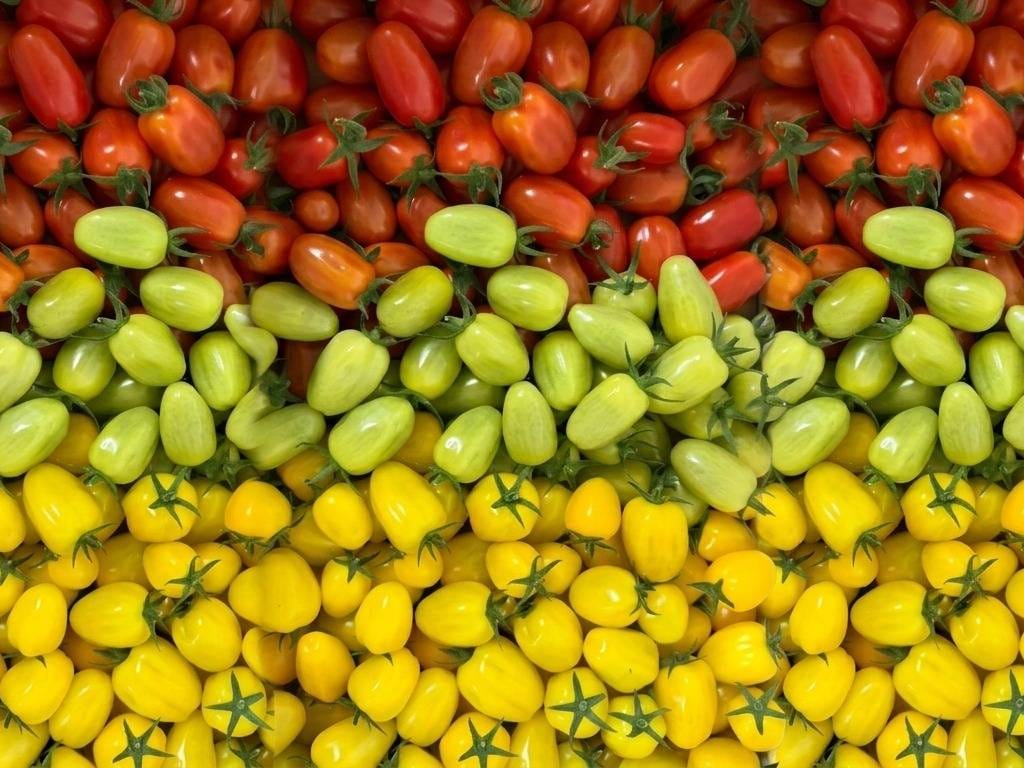
The farm cultivates non-GMO cherry and bunch tomatoes without pesticides or herbicides, targeting households, retailers and the HORECA sector. Fresh produce is also available directly to consumers through UNS Farms’ online platform.
Scaling beyond tomatoes
The bigger question is whether the model can expand into other food categories.
Murtaza said scaling local production will require investment, skilled operators, energy-efficient systems and stronger alignment between farms, retailers, hotels and government entities.
“Scaling local production requires a combination of investment, expertise, and strong ecosystem alignment,” he said. “This nexus is where Uns farms thrive with our practical, cost effective and profitable infrastructure. Allowing us to provide high quality product extremely efficiently on both an operational and investment standpoint.”
Long-term sourcing commitments from retailers and the HORECA sector will be critical because they give farms the confidence to expand capacity. UNS Farms is also evaluating other high-consumption crops, including leafy greens and fresh produce categories suited to controlled-environment agriculture.
The Al Ain facility fits into the UAE’s broader push to strengthen domestic food production, improve supply chain resilience and support the National Food Security Strategy 2051.
ملاحظة تحريرية | Editorial Note:
نُشر هذا المقال في الأصل بواسطة Gulf News.
خبر (Khabr) هي منصة إعلامية أردنية مرخّصة تعمل بالذكاء الاصطناعي.
نضيف قيمة تحريرية من خلال: تحليل ذكي للأخبار، ملخصات تلقائية، رواية صوتية بالذكاء الاصطناعي، ترجمة متعددة اللغات، وتدقيق الحقائق.
هدفنا جعل الأخبار أكثر وضوحاً وسهولةً للقارئ العربي.
This article was originally published by Gulf News.
Khabr is a licensed Jordanian AI-powered news platform (Registration #82086).
We add editorial value through: AI-powered news analysis, automated summaries, AI audio narration, multi-language translation (Arabic, English, French, Turkish), and AI fact-checking.
Our mission is to make news more accessible and understandable for Arabic-speaking audiences worldwide.
هذا الخبر ضمن تغطية خبر لقسم اقتصاد.
نقدّم لك تحليلات ذكية وملخصات يومية لأهم الأخبار من مصادر موثوقة متعددة.
المصدر: Gulf News.
يوجد 6 مقالات مرتبطة بهذا الموضوع.
This article is part of Khabr's coverage of Economy.
We provide AI-powered analysis, summaries, and multi-source aggregation to keep you informed.
Source: Gulf News.
Tags: agriculture, local supply, tomatoes.
🍪 نستخدم ملفات تعريف الارتباط لتحسين تجربتك وعرض الإعلانات المخصصة. باستخدامك للموقع، فإنك توافق على سياسة ملفات تعريف الارتباط وسياسة الخصوصية.
We use cookies to enhance your experience and show personalized ads. By using this site, you agree to our Cookie Policy and Privacy Policy.
🔍
FREEFree 1GB Internet + Free International Calls
$1 trial — eSIM in 190+ countries — No roaming charges