UAE quits Opec: Why oil markets reacted; what happens next
•The immediate market response to the UAE's departure from the Opec alliance reflects two competing forces: geopolitical tightness today and supply uncertainty tomorrow.Brent crude rose above $111 per...
•But traders also warned that removing a major spare-capacity contributor from coordinated supply management could weaken future price discipline.Analysts say the UAE could eventually increase output b...
•Follow KT on WhatsApp Channels.That creates three possible market scenarios:Scenario 1: Gradual increase (200,000–300,000 bpd)Minimal price impact.
هذا الخبر من Khaleej Times. خبر يقدم أدوات ذكاء اصطناعي للتلخيص والترجمة والاستماع.
المصدر: Khaleej Times | Source: Khaleej TimesThe immediate market response to the UAE's departure from the Opec alliance reflects two competing forces: geopolitical tightness today and supply uncertainty tomorrow.
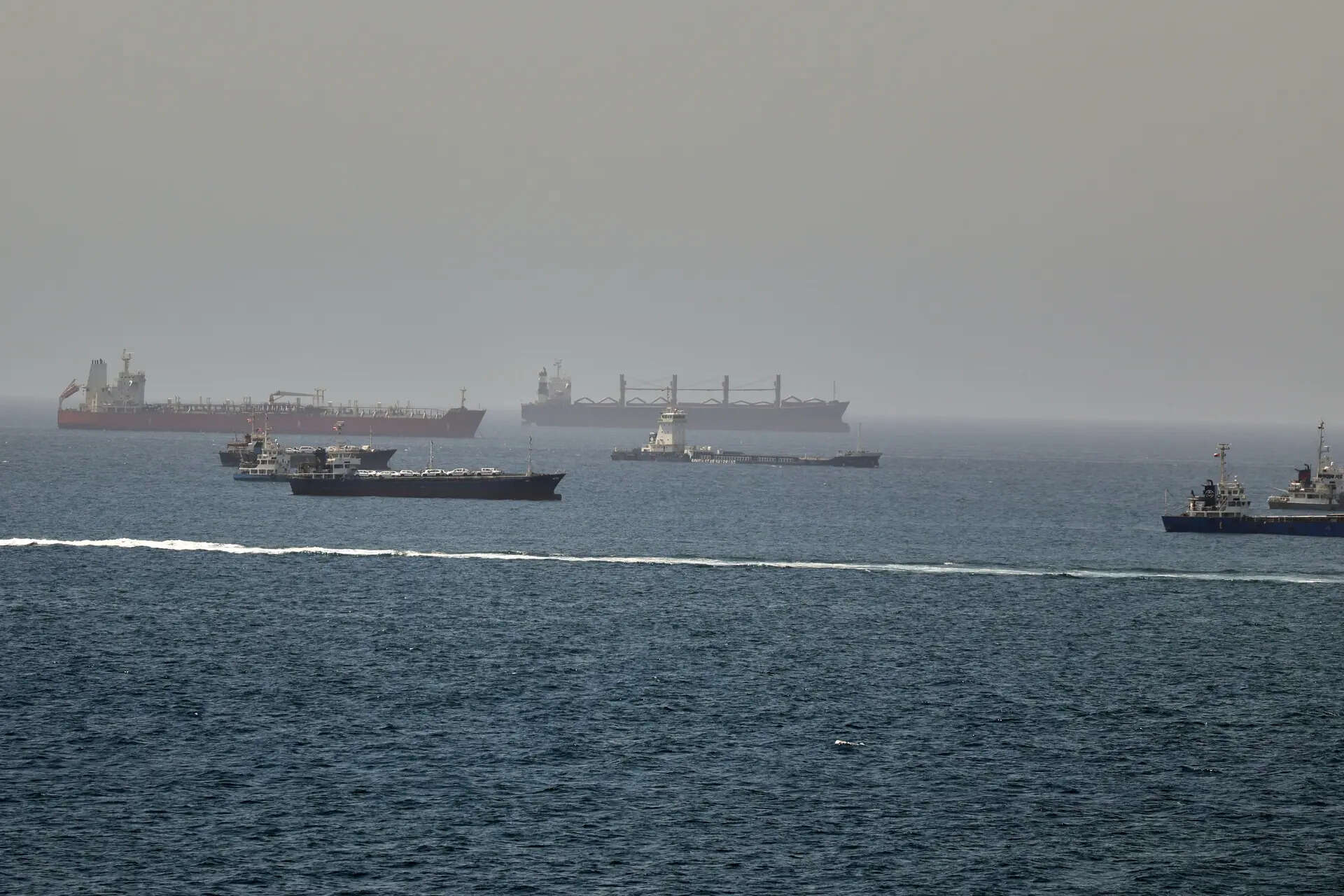
Brent crude rose above $111 per barrel, supported primarily by the Hormuz crisis and Iran conflict. But traders also warned that removing a major spare-capacity contributor from coordinated supply management could weaken future price discipline.
Analysts say the UAE could eventually increase output by up to 30 per cent above previous quota-constrained levels, depending on how quickly new capacity is deployed.
Stay up to date with the latest news. Follow KT on WhatsApp Channels.
That creates three possible market scenarios:
Scenario 1: Gradual increase (200,000–300,000 bpd)
Minimal price impact. Markets absorb supply easily.
Scenario 2: Medium expansion (500,000–1 million bpd)
Caps price rallies once Hormuz shipping normalises.
Scenario 3: Full-capacity deployment (1 million+ bpd)
Could push prices lower unless demand growth accelerates sharply.
The longer-term implication is psychological as much as physical. Opec's ability to influence expectations has historically depended on spare capacity discipline. Losing a major contributor weakens that signalling power.
However, markets are unlikely to see immediate oversupply. Hormuz disruptions continue to constrain flows, and global inventories remain under pressure after months of geopolitical shocks.
Instead, traders are likely to interpret the move as the start of a more flexible supply era — one in which leading producers increasingly balance cooperation with independent strategy.
In that environment, price volatility may increase, but so will the importance of countries such as the UAE that can bring additional barrels to market quickly when disruptions occur.
ملاحظة تحريرية | Editorial Note: نُشر هذا المقال في الأصل بواسطة Khaleej Times. خبر (Khabr) هي منصة إعلامية أردنية مرخّصة تعمل بالذكاء الاصطناعي. نضيف قيمة تحريرية من خلال: تحليل ذكي للأخبار، ملخصات تلقائية، رواية صوتية بالذكاء الاصطناعي، ترجمة متعددة اللغات، وتدقيق الحقائق. هدفنا جعل الأخبار أكثر وضوحاً وسهولةً للقارئ العربي.
This article was originally published by Khaleej Times. Khabr is a licensed Jordanian AI-powered news platform (Registration #82086). We add editorial value through: AI-powered news analysis, automated summaries, AI audio narration, multi-language translation (Arabic, English, French, Turkish), and AI fact-checking. Our mission is to make news more accessible and understandable for Arabic-speaking audiences worldwide.