UAE banks did not seek Covid-style bailout during war, says banking chief
•Dubai: The UAE banking sector did not seek a Covid-style rescue package during the current regional crisis, senior banking officials said on Wednesday, even as lenders prepared for disruption linked t...
•The officials added that the Central Bank of the UAE only relaxed some technical banking ratios rather than offering large-scale financial support.AbdulAziz Abdulla Al Ghurair, Chairman of UBF and Mas...
•Hardly any money moved out.
هذا الخبر من Gulf News. خبر يقدم أدوات ذكاء اصطناعي للتلخيص والترجمة والاستماع.
المصدر: Gulf News | Source: Gulf NewsDubai: The UAE banking sector did not seek a Covid-style rescue package during the current regional crisis, senior banking officials said on Wednesday, even as lenders prepared for disruption linked to trade, tourism and regional shipping routes.
Sign up for our daily business newsletter, Cheques & Balances.Speaking during a media briefing, senior officials at the United Banks Federation (UBF) - a professional body of banks and financial institutions operating in the UAE - said the sector remained profitable and liquid despite ongoing tensions. The officials added that the Central Bank of the UAE only relaxed some technical banking ratios rather than offering large-scale financial support.
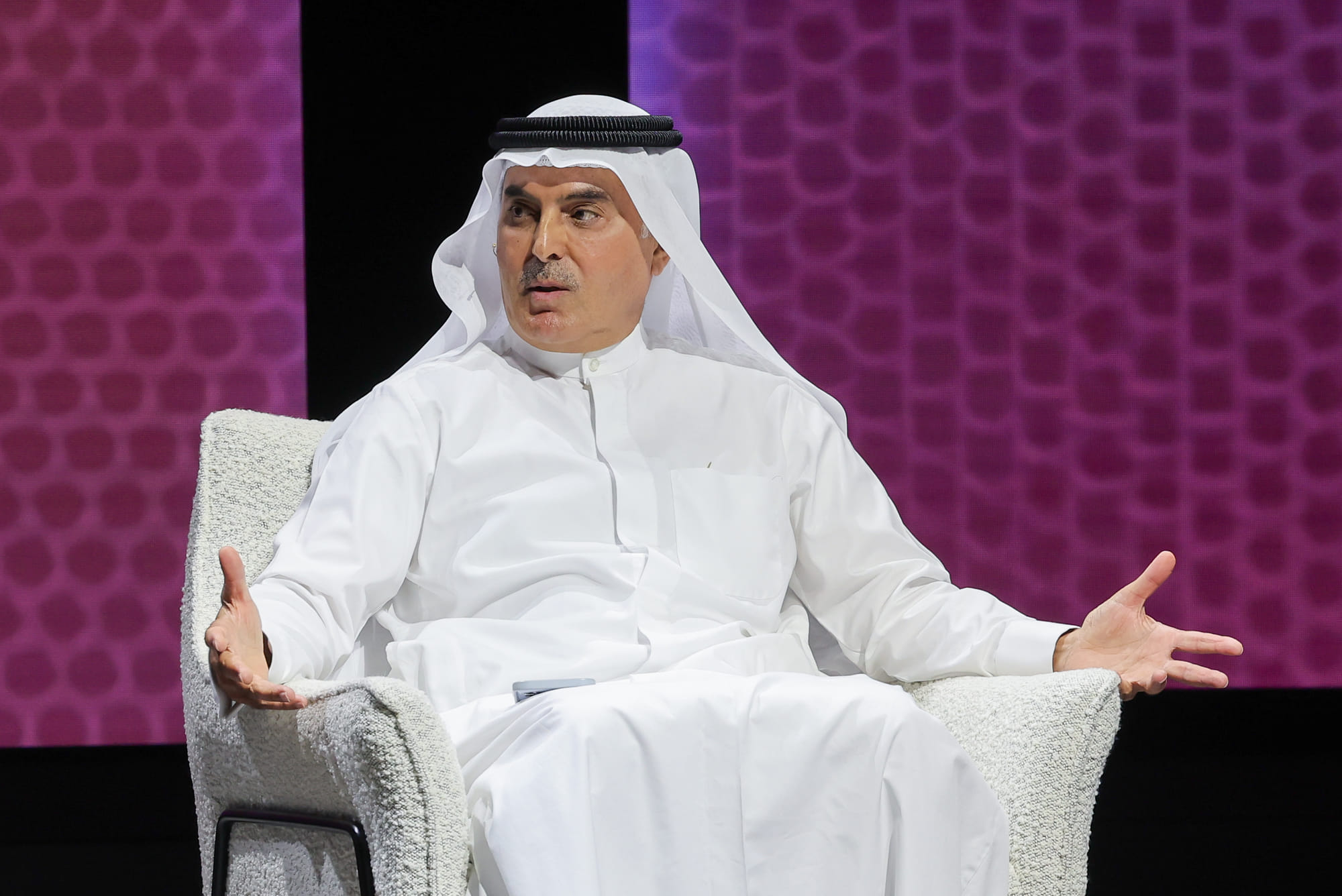
AbdulAziz Abdulla Al Ghurair, Chairman of UBF and Mashreq Group, insisted there was very little capital outflow from the UAE in the weeks since the US-Israel-Iran war broke out on February 28.
“The question was whether we saw a lot of money moving out. Hardly any money moved out. The money is still coming in,” said Al Ghurair.
“Even with the support package from the Central Bank, they gave us no money compared to Covid times. During Covid, they were extra generous with us. This time, when discussions took place, the feeling was that the banking sector is in good shape and in its best condition, so there was no need for a support package,” he said.
Get updated faster and for FREE: Download the Gulf News app now - simply click here.No support needed
During the pandemic, the UAE rolled out a Dh200 billion support package for banks and businesses. This time, relief measures were limited mainly to temporary repayment flexibility for affected companies and individuals.
Al Ghurair said he agrees with the government’s stance. “They were right. We did not need support, and we are still growing at a good rate… The banking sector has done well and should continue to do well,”
He added, “The Central Bank has also allowed some flexibility on repayments for businesses affected by the crisis. We have until the end of June to review these cases and give businesses breathing room.”
For example, if a restaurant depends heavily on tourism and tourism has slowed down, banks need to be flexible and fair. If someone has successfully run a restaurant for 15 years and suddenly faces difficulties, we can accommodate that without affecting their risk rating, reputation or standing.”
Inflation and food security pressures
However, some sectors have begun to face pressure. Hospitality businesses dependent on tourism, restaurants and companies linked to shipping and logistics were among those identified as vulnerable.
Al Ghurair and Jamal Saleh, the director general of UBF, shared estimates that inflation could rise to around 3 per cent by the end of the year, due to higher fuel, freight and import costs.
Products moved by air had become particularly expensive, they said, pointing to rising food import prices as an example.
At the same time, the crisis has renewed discussions around food security and local production.
Officials said policymakers were becoming more open to changing regulations to support domestic agriculture and manufacturing.
“Everything that is tabooed in the past, as long as it serves local production, self-sufficiency, we will break those rules,” said Al Ghurair.
Property market slowdown discussed
Executives also addressed concerns around Dubai’s property market after years of rapid growth. While they said mortgage defaults remained below 1 per cent, they acknowledged that buyers had slowed purchases amid expectations prices could soften.
“People have slowed down buying their properties,” said Al Ghurair.
“People have slowed down because they think, okay, maybe I can wait. Price will come down,” he added.
Strait of Hormuz remains a concern
Bankers said the possibility of disruption to the Strait of Hormuz had become a more serious planning scenario for businesses and regulators.
He said the UAE was increasingly looking at alternatives through Fujairah and the Arabian Sea, as well as future rail and logistics links.
“We will find solution,” said Al Ghurair.
Despite concerns over regional instability, Al Ghurair said he remains optimistic about the UAE’s future, arguing that the country has repeatedly emerged stronger from past crises. “They all bounce back better,” he said, adding that difficult periods often force governments and businesses to rethink regulations, logistics systems and infrastructure in ways that ultimately improve competitiveness and attract more investment.
Al Ghurair said many residents in the UAE “take it for granted” how secure daily life feels in the country. “We want to make UAE a home for everybody, for talented people to live and work in harmony,” he said, while urging residents and businesses not to leave during uncertain times.
“Don’t pack up and go, please. You’ll regret it if you pack up and go,” he said.
ملاحظة تحريرية | Editorial Note: نُشر هذا المقال في الأصل بواسطة Gulf News. خبر (Khabr) هي منصة إعلامية أردنية مرخّصة تعمل بالذكاء الاصطناعي. نضيف قيمة تحريرية من خلال: تحليل ذكي للأخبار، ملخصات تلقائية، رواية صوتية بالذكاء الاصطناعي، ترجمة متعددة اللغات، وتدقيق الحقائق. هدفنا جعل الأخبار أكثر وضوحاً وسهولةً للقارئ العربي.
This article was originally published by Gulf News. Khabr is a licensed Jordanian AI-powered news platform (Registration #82086). We add editorial value through: AI-powered news analysis, automated summaries, AI audio narration, multi-language translation (Arabic, English, French, Turkish), and AI fact-checking. Our mission is to make news more accessible and understandable for Arabic-speaking audiences worldwide.