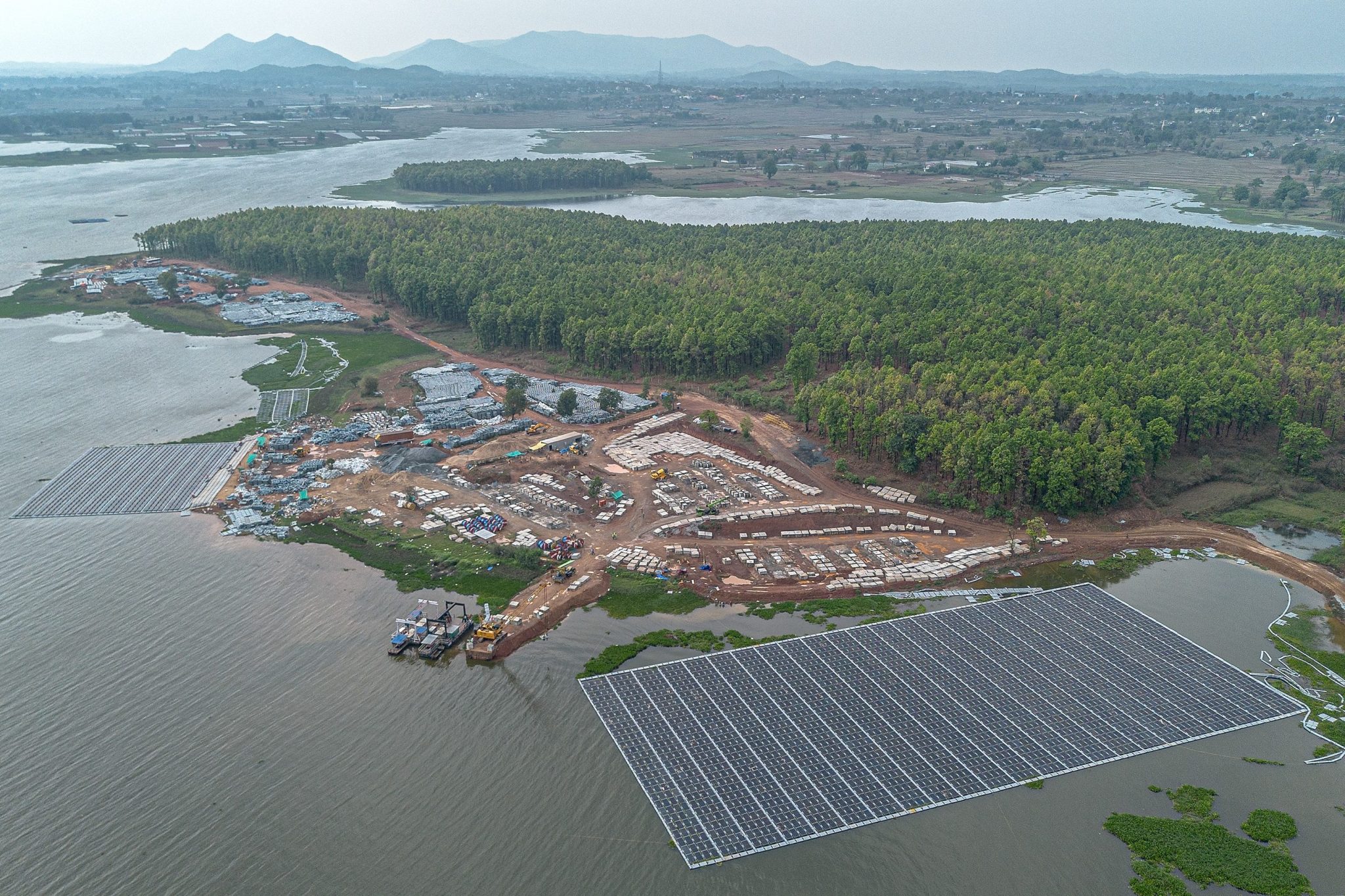
The global energy shock stemming from the conflict in the Middle East is rewriting the ways governments think about their power needs. Big Oil has predictably emerged as an early winner, benefiting from soaring oil and gas prices, but the long-term upshot could be faster dispersal of an altogether different energy source.
Despite negotiation attempts during the current ceasefire, officials from theTrump administration and Iran remain at an impasse over the Strait of Hormuz, meaning most of the Middle East’s oil and gas is still locked up in the Persian Gulf seven weeks since the start of the war.
That hole in global energy supply has sent countries scrambling for alternatives for their fuel and electricity needs, including for coal, potentially marking a resurgence for the dirtiest fossil fuel that was quickly being phased out around the world. Asian countries, formerly the Middle East’s biggest energy customers, have indeed delayed plans to close down coal-fired power plants and ramped up output from existing ones.
But while coal demand has risen since the Strait of Hormuz locked down, the data tells an altogether different story about what direction the global energy mix is headed. Global fossil fuel power generation fell in the first month of the war, according to an analysis published Tuesday by the Centre for Research on Energy and Clean Air (CREA), a think tank. That was mostly because of the hole in global natural gas supply, as gas-powered generation fell 4% in March year-on-year.
But in most cases, countries are shunning coal and filling the gap by turning to renewable energy sources instead. Coal usage remained more or less flat compared to March of last year, and by excluding China—which alone accounts for more than half of global coal consumption—coal-fired power generation actually declined 3.5%. Renewables data for China was not included in CREA’s dataset, but in the rest of the world, solar power usage rose 14% in March, with wind power generation up 8%.
“The government statements used to create a ‘back to coal’ narrative range from meaningless to inconsequential,” wrote Lauri Myllyvirta, CREA’s cofounder and lead analyst. “There has been no increase in coal capacity so far.”
Coal remains a hard sell
To be sure, coal demand has risen over the past month and a half. The fuel often becomes a “critical fallback” during energy supply shocks, Sushmita Vazirani, an analyst at energy consultancy Wood Mackenzie, wrote in a report published this week. India, as well as several countries in East Asia and Europe, have ramped up their coal-fired power generation plans in the near term, she wrote, to compensate for soaring liquified natural gas prices.
But an uptick in interest for coal doesn’t mean it will figure permanently into countries’ energy plans, CREA’s report argued. Around the world, most coal plants were already running at or near full capacity, meaning commitments to ramp up production will lead to relatively small increases on aggregate. Another reason is that the longer the energy crunch goes on, the more expensive coal will get. Wood Mackenzie estimated that for every $10 per barrel rise in crude oil prices, coal per tonne gets $1 to $3 pricier too. That is because soaring diesel prices raise the cost of mining and transport that is needed to get coal to buyers.
But the biggest indicator that the global coal scramble might prove short-lived is how comparatively cheap clean energy alternatives like wind and solar have become. A report by the International Renewable Energy Agency (IRENA) published last year found that 91% of new renewable energy projects are more cost-effective than fossil fuel options.
Even countries that have increased coal production since the war started have hedged their bets. In South Korea, for instance, where a coal plant had been slated to shutter in June, the closure has been postponed by only nine months (and two more were under review). Meanwhile, its President Lee Jae Myung urged the country to “move very quickly toward renewable energy” during a speech last month, adding: “Our future will be at serious risk if we continue to rely on fossil fuels.”
There’s another market signal suggesting countries have looked to insulate themselves from fossil fuel shocks since the war began. Across southeast Asia in particular, but also in East Asia and Australia, demand for electric vehicles has surged over the past month as fuel concerns start to bite at consumers.
This story was originally featured on Fortune.com