⚡ عاجل: كريستيانو رونالدو يُتوّج كأفضل لاعب كرة قدم في العالم●⚡ أخبار عاجلة تتابعونها لحظة بلحظة على خبر●⚡ تابعوا آخر المستجدات والأحداث من حول العالم●
AI اقتراحات ذكية
AI مباشر|--مشاهد مباشر
898,783مقال401مصدر نشط228قناة مباشرة5,220خبر اليوم
آخر تحديث:منذ 0 ثانية
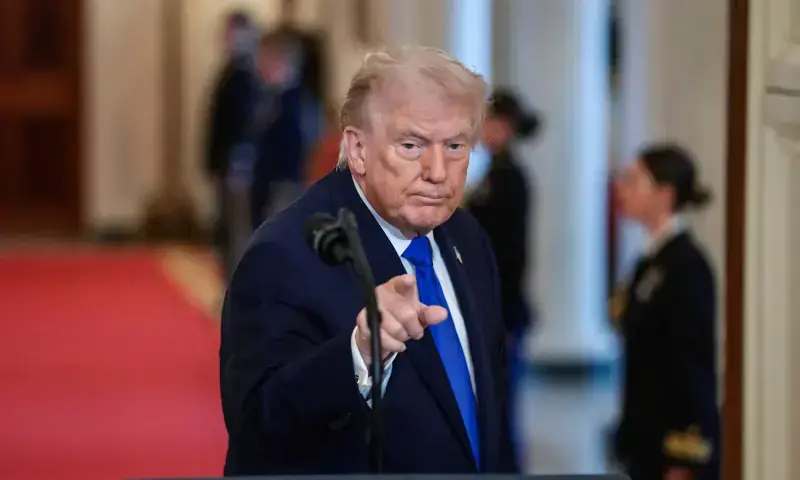
Trump says US in a ‘very, very strong’ position for Iran talks, expects ‘great deal’
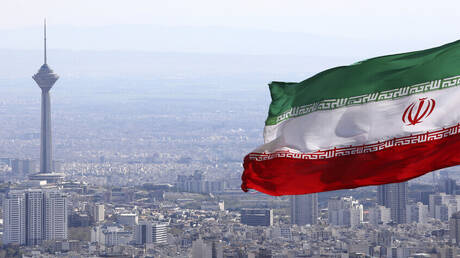
US President Donald Trump on Tuesday touted the strong negotiation position of the country in talks with Iran to end the Middle East conflict.
“We’re going to end up with a great deal. I think they have no choice… We’re in a very, very strong negotiating position,” Trump told broadcaster CNBC.
He also said that he did not want to extend a ceasefire with Iran.
“I don’t want to do that. We don’t have that much time,” Trump said when asked about the possibility of extending the ceasefire.
With the prospect of last-ditch further peace talks still up in the air, Trump said the US would resume its attacks on Iran if a deal is not struck with Tehran soon.
“I expect to be bombing because I think that’s a better attitude to go in with. But we’re ready to go. I mean, the military is raring to go,” he said.
The two-week truce between the US and Iran was supposed to expire at 8pm (Eastern) on Tuesday, April 21. But on Tuesday, Trump said it would now end on Wednesday evening US time.
Earlier on Wednesday, he also accused Iran of violating the ceasefire “numerous times”.
Pakistan calls on US, Iran to consider extending ceasefire
Meanwhile, Deputy Prime Minister and Foreign Minister Ishaq Dar urged the US and Iran to “consider extending the ceasefire and give dialogue and diplomacy a chance”.
He expressed these views in a meeting with US Chargé d’Affaires Natalie Baker, according to the Foreign Office (FO).
“DPM/FM underscored Pakistan’s consistent emphasis on dialogue and diplomacy as the only viable means to address challenges and achieve lasting regional peace and stability,” the FO said.
Baker conveyed US appreciation for Pakistan’s constructive and positive role in promoting regional peace and facilitating dialogue, it added.
The developments take place as a US delegation is expected in Islamabad amid anticipation of a second round of talks between Washington and Tehran.
The first round of historic direct US-Iran talks, held in Islamabad on April 11 and 12, ended without an agreement, but also without a breakdown, as a Pakistan-brokered ceasefire remained in effect.
Pakistan initially positioned itself as a facilitator in the peace process between Tehran and Washington after the US and Israel launched attacks on Iran on February 28, setting off a conflict that gave rise to a global fuel crisis. Later, the White House and Iran acknowledged it as the “sole mediator” in the process.
After the first round of talks, Pakistan’s civil and military leadership engaged in feverish diplomacy, seeking to bring the US and Iran back to the negotiating table.
On Monday, CNN reported that US Vice President JD Vance and other top US officials were expected to depart for Islamabad on Tuesday, while an unnamed Iranian official told Reuters that Tehran was considering attending talks following reported moves by Islamabad to end a US blockade of Iran’s ports.
However, there has been no official announcement from Iran regarding its participation in the expected talks.
Earlier on Tuesday, Iranian state television said that no Iranian delegation had yet departed for talks. It quoted unnamed Iranian officials as saying that taking part of the negotiations “depends on the change in the behaviour and positions of the Americans”.
Iranian officials have questioned Washington’s commitment towards the talks. Iranian President Masoud Pezeshkian criticised “unconstructive and contradictory” signals by the US on Monday, saying they carried a “bitter message”.
Meanwhile, Iran’s foreign ministry said that the US was not serious about pursuing diplomacy, citing what it called “violations” of their two-week ceasefire. Its spokesman, Esmaeil Baqaei, said a US attack on an Iranian cargo ship, the US naval blockade on Iranian ports, and delays in implementing a ceasefire in Lebanon were all “clear violations of the ceasefire”.
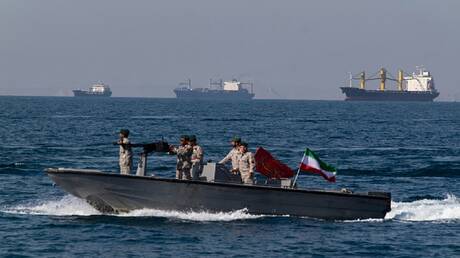
Tensions in the Middle East further escalated following the seizure of an Iranian-flagged cargo vessel in the Gulf of Oman by US forces on Sunday. Trump described the move as enforcement of restrictions on Iranian ports, while Tehran called it “piracy” and responded with increased drone activity near US naval assets in the region surrounding the Strait of Hormuz.
The US maintained its blockade of Iranian ports, while Iran lifted and then reimposed its own blockade of the Strait of Hormuz.
Unrestricted navigation through the Strait of Hormuz has emerged as one of the issues at the core of the impasse between the US and Iran. Another point of contention is Washington’s demand for long-term commitments on Iran’s nuclear programme, including constraints on enrichment and safeguards against weaponisation.
ملاحظة تحريرية | Editorial Note:
نُشر هذا المقال في الأصل بواسطة Dawn.
خبر (Khabr) هي منصة إعلامية أردنية مرخّصة تعمل بالذكاء الاصطناعي.
نضيف قيمة تحريرية من خلال: تحليل ذكي للأخبار، ملخصات تلقائية، رواية صوتية بالذكاء الاصطناعي، ترجمة متعددة اللغات، وتدقيق الحقائق.
هدفنا جعل الأخبار أكثر وضوحاً وسهولةً للقارئ العربي.
This article was originally published by Dawn.
Khabr is a licensed Jordanian AI-powered news platform (Registration #82086).
We add editorial value through: AI-powered news analysis, automated summaries, AI audio narration, multi-language translation (Arabic, English, French, Turkish), and AI fact-checking.
Our mission is to make news more accessible and understandable for Arabic-speaking audiences worldwide.
هذا الخبر ضمن تغطية خبر لقسم سياسة.
نقدّم لك تحليلات ذكية وملخصات يومية لأهم الأخبار من مصادر موثوقة متعددة.
المصدر: Dawn.
يوجد 6 مقالات مرتبطة بهذا الموضوع.
This article is part of Khabr's coverage of Politics.
We provide AI-powered analysis, summaries, and multi-source aggregation to keep you informed.
Source: Dawn.
Tags: Iran, negotiations, foreign policy.
🍪 نستخدم ملفات تعريف الارتباط لتحسين تجربتك وعرض الإعلانات المخصصة. باستخدامك للموقع، فإنك توافق على سياسة ملفات تعريف الارتباط وسياسة الخصوصية.
We use cookies to enhance your experience and show personalized ads. By using this site, you agree to our Cookie Policy and Privacy Policy.
🔍
FREEFree 1GB Internet + Free International Calls
$1 trial — eSIM in 190+ countries — No roaming charges