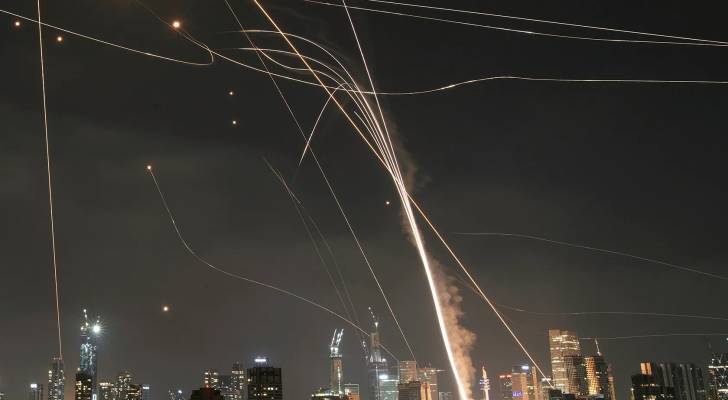
Dubai: The fragile truce between the United States and Iran is showing clear signs of strain, with fresh strikes in and around the Strait of Hormuz raising fears of a return to open conflict.
What was meant to be a temporary ceasefire to enable negotiations now looks increasingly unstable, as both sides trade accusations — and, increasingly, firepower. Washington says Iranian missiles, drones and fast boats targeted its naval forces and commercial shipping, while Tehran insists it only issued warnings and blames the US for provoking tensions through its naval operation, dubbed “Project Freedom.”
The flare-up has already spilled into the Gulf, with the UAE and Oman reporting suspected attacks on their territory.
With shipping still largely paralysed, oil markets on edge, and diplomacy struggling to keep pace, the key question now is whether the ceasefire is collapsing — or whether both sides are using it as cover to reset the battlefield.
Here’s what we know so far — and why the situation could escalate quickly.
What exactly happened in the Strait of Hormuz?
The US and Iran appear to have exchanged their first major hostilities since the ceasefire took effect in early April.
The US said Iranian forces launched missiles, drones and fast boats targeting American naval assets and commercial ships.
US forces responded by destroying several Iranian boats and intercepting incoming threats.
Iran, however, insists it only fired “warning shots” and denies losses.
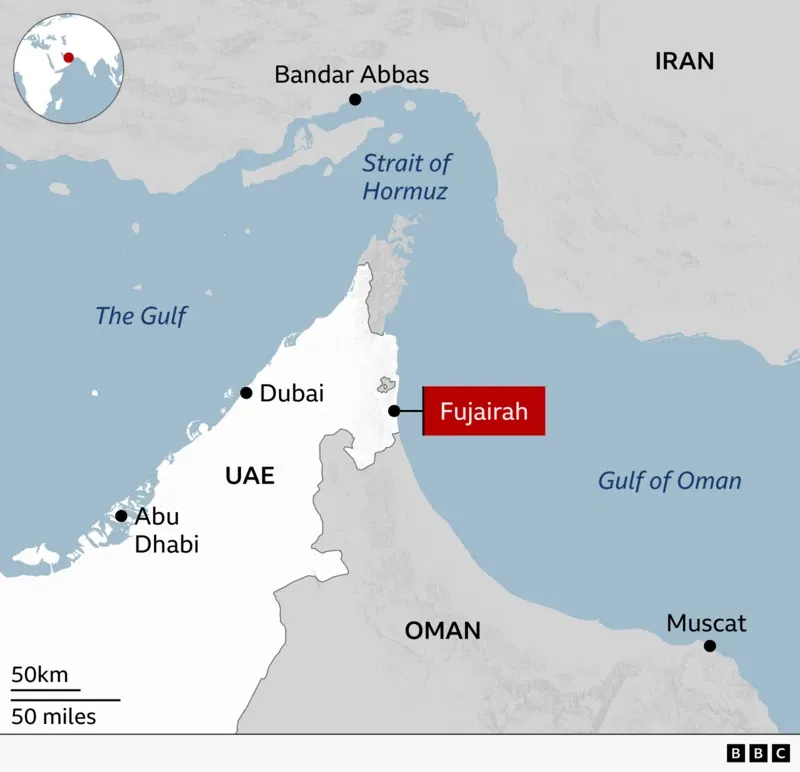
At the same time, the UAE and Oman reported Iranian strikes on their territory, widening the flashpoint beyond the Strait.
What is “Project Freedom”? Why is it controversial?
“Project Freedom” is the US operation announced by Donald Trump to escort and “free” stranded commercial ships through the Strait of Hormuz.
Washington says it is ensuring global shipping access.
Iran sees it as a direct violation of the ceasefire and interference in waters it claims to control.
Tehran has warned that any US intervention in the Strait will be treated as escalation.
Iran’s foreign minister Abbas Araghchi dismissed it bluntly: “Project Freedom is Project Deadlock.”
Why is the Strait of Hormuz so critical?
Strait of Hormuz is one of the world’s most vital chokepoints:
Roughly 20% of global oil passes through it.
It is key for LNG shipments, especially from Qatar.
Any disruption hits fuel prices, shipping, and global inflation almost instantly.
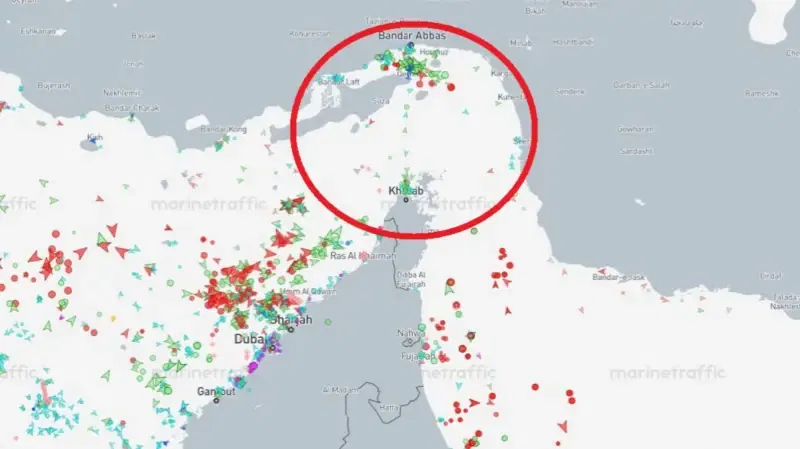
Right now, traffic remains extremely low, with only a handful of escorted vessels getting through.
Has the ceasefire actually collapsed?
Not officially — but it’s hanging by a thread.
The ceasefire began on April 8 for two weeks.
It was later extended to allow negotiations.
One key condition — reopening Hormuz — has clearly failed.
Both sides are now accusing each other of violations:
Iran points to the US naval blockade and Israeli strikes in Lebanon.
The US points to attacks on ships and Gulf targets.
What happened in the UAE and Oman?
The United Arab Emirates reported: A drone strike causing a fire at Fujairah’s oil facilities
Missile launches, most intercepted
Oman reported: An attack on a residential building in Musandam Peninsula Injuries and property damage
The UAE condemned the strikes as “treacherous escalation”, reinforcing its long-standing warning that Iran cannot be trusted over Hormuz security.
What about shipping — is it moving again?
Barely.
A Maersk vessel transited under heavy US escort — but industry groups say that’s “a drop in the ocean.”
There is no clear convoy system yet.
Shipowners are asking basic questions:
Who coordinates safe passage?
What happens if Iran challenges a vessel mid-transit?
Many ships are still waiting — or avoiding the route altogether.
What are Trump’s signals right now?
Mixed — and that’s adding to uncertainty.
He has threatened Iran would be “blown off the face of the Earth” if US ships are hit.
At the same time, he says Iran is becoming “more malleable” in talks.
He even described the conflict as a “mini war”, downplaying its impact.
So the US stance is swinging between: Pressure → deterrence → negotiation → back to threats
What is Iran saying?
Iran’s leadership, including negotiator Mohammad Bagher Ghalibaf, argues:
The US is destabilising shipping through its blockade
The crisis is political, not military
Talks (via Pakistan mediation) are still progressing
Tehran is trying to frame itself as reactive — not the aggressor.
Why does this matter globally?
Because Hormuz isn’t just a regional issue anymore:
Oil prices are already rising
Shipping insurance costs are spiking
LNG supply chains are tightening
Aviation fuel shortages are a real risk
Even limited clashes here can ripple across global markets within days.
So — truce or cover? What’s the bigger picture?
That’s the real question.
There are growing signs the ceasefire may have been used to:
Reposition militarily
Test leverage in Hormuz
Push harder negotiating lines
Right now, the situation looks less like peace — and more like a paused conflict sliding back into confrontation.