The United Arab Emirates says it's leaving OPEC, in a blow to oil cartel
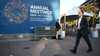
•The United Arab Emirates is quitting OPEC oil cartel after nearly 60 years April 28, 202610:09 AM ET Camila Domonoske UAE's Minister of Energy and Industry Suhail al-Mazrouei is shown arriving for an...
•Joe Klamar/AFP via Getty Images hide caption toggle caption Joe Klamar/AFP via Getty Images The United Arab Emirates has announced that it's leaving OPEC, the cartel representing major state-owned oil...
•In an announcement posted on state-owned media, the UAE wrote that the decision "reflects the UAE's long-term strategic and economic vision and evolving energy profile, including accelerated investmen...
هذا الخبر من NPR. خبر يقدم أدوات ذكاء اصطناعي للتلخيص والترجمة والاستماع.
The United Arab Emirates is quitting OPEC oil cartel after nearly 60 years April 28, 202610:09 AM ET Camila Domonoske UAE's Minister of Energy and Industry Suhail al-Mazrouei is shown arriving for an OPEC meeting in Vienna, Austria, on June 4, 2023. Joe Klamar/AFP via Getty Images hide caption toggle caption Joe Klamar/AFP via Getty Images The United Arab Emirates has announced that it's leaving OPEC, the cartel representing major state-owned oil producers, on May 1. In an announcement posted on state-owned media, the UAE wrote that the decision "reflects the UAE's long-term strategic and economic vision and evolving energy profile, including accelerated investment in domestic energy production, and reinforces its commitment to a responsible, reliable, and forward-looking role in global energy markets." OPEC includes major state-owned oil producers like Saudi Arabia, Kuwait and Iran; the UAE joined the group nearly 60 years ago, just a few years after the cartel was established. As a group, OPEC members set their oil production levels in an attempt to balance oil markets and maintain oil prices high enough to support their national budgetary needs. (If every country produced as much oil as they possibly could, the rules of supply and demand would send crude oil prices down sharply and reduce their incomes.) Sponsor Message In more recent years, through the broader OPEC+ alliance, countries like Mexico and Russia have also agreed to negotiate with OPEC on production levels. The United States, which does not have a state-owned oil producer, does not officially participate in OPEC talks, although some presidents have made requests of OPEC, and some U.S. oil executives have been accused of collusion with the cartel. The UAE's departure from the group comes after years of friction. The UAE has chafed at its production caps, pushing to raise quotas and produce more oil, while Saudi Arabia, OPEC's largest producer and its dominant force, pushed back. The dispute sometimes...المصدر: NPR | Source: NPR
ملاحظة تحريرية | Editorial Note: نُشر هذا المقال في الأصل بواسطة NPR. خبر (Khabr) هي منصة إعلامية أردنية مرخّصة تعمل بالذكاء الاصطناعي. نضيف قيمة تحريرية من خلال: تحليل ذكي للأخبار، ملخصات تلقائية، رواية صوتية بالذكاء الاصطناعي، ترجمة متعددة اللغات، وتدقيق الحقائق. هدفنا جعل الأخبار أكثر وضوحاً وسهولةً للقارئ العربي.
This article was originally published by NPR. Khabr is a licensed Jordanian AI-powered news platform (Registration #82086). We add editorial value through: AI-powered news analysis, automated summaries, AI audio narration, multi-language translation (Arabic, English, French, Turkish), and AI fact-checking. Our mission is to make news more accessible and understandable for Arabic-speaking audiences worldwide.