The AI Jesus, Donald Trump and the Pope: Why the Vatican is drawing a line
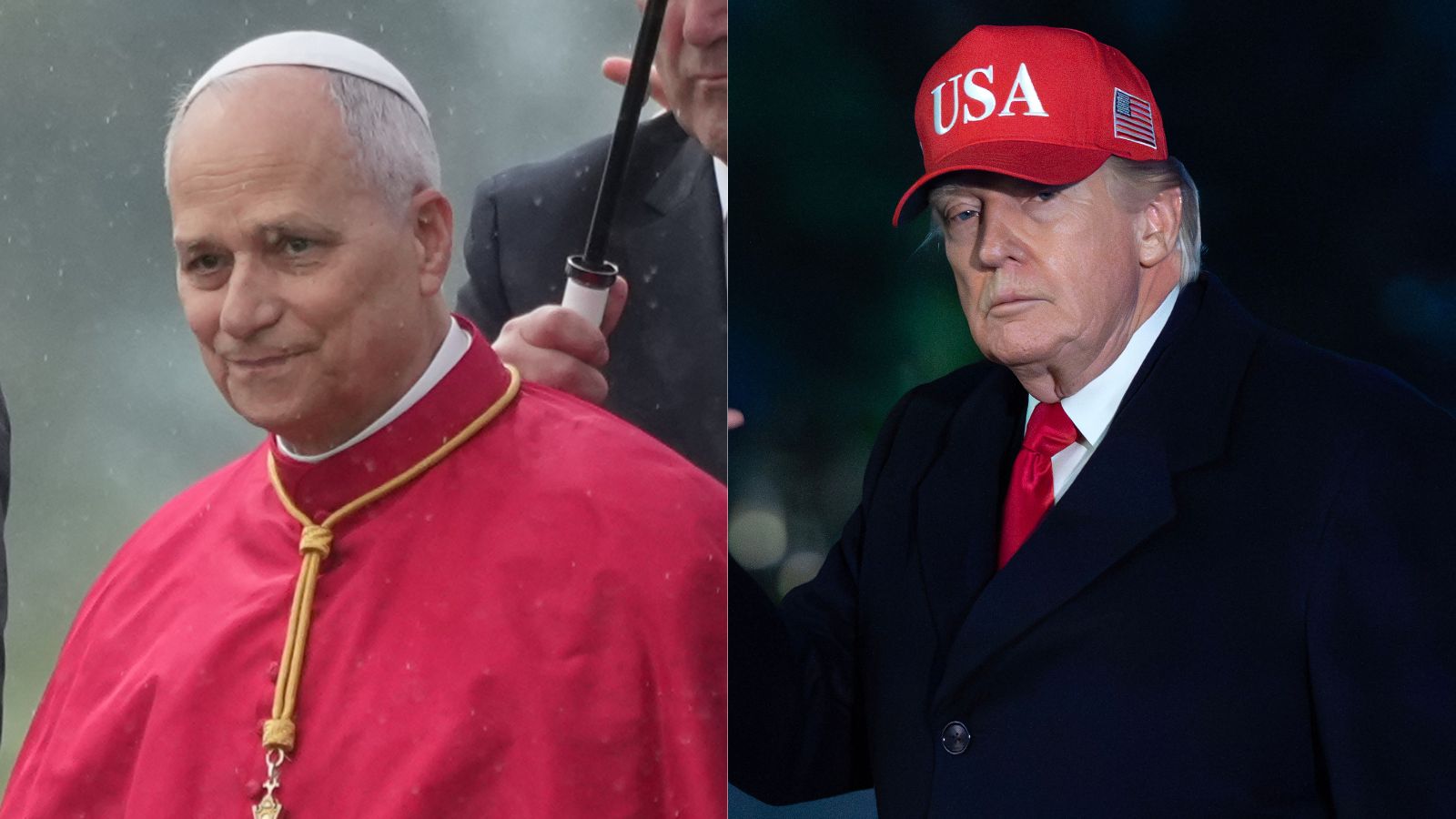
Donald Trump’s latest clash with Pope Leo is not merely an argument with the Vatican. It is a revealing struggle over whether religion will remain a moral restraint on power, or be turned into a language of vanity, menace and self-consecration. There are moments in public life when the most troubling thing is not what a leader says, but the moral universe in which he seems to believe he speaks. Trump’s attack on Leo belongs to that category. After the Pope criticised Trump’s rhetoric, he lashed out, calling Leo “WEAK on Crime, and terrible for Foreign Policy”. The trigger was Trump’s appalling language on Iran. He declared: “A whole civilisation will die tonight, never to be brought back again.” Leo’s response was morally exact: “This is truly unacceptable.” Yet the deeper issue lies in the growing temptation, within sections of the Trump camp, to speak as though American power and divine approval belong together. Asked whether God supported the US position, Trump replied: “I do, because God is good.” Pete Hegseth also used overtly scriptural language around the conflict, invoking a theology of “overwhelming violence”. This is the dangerous suggestion that military force is somehow wrapped in providence. Once this takes hold, restraint starts to look like weakness, and dissent starts to resemble impiety. Pope Leo has answered that drift with unusual courage. He has condemned the “madness of war”, warned against a “delusion of omnipotence”, and said that even “the holy Name of God, the God of life, is being dragged into discourses of death”. He also said he was not afraid and would continue to speak out against war because too many innocent people were being killed. In an age when many institutions soften their language before strongmen, this matters. Trump made matters worse by posting an AI-generated image of himself in a Jesus-like form; criticism came even from parts of his own base and the image was later deleted. The episode pointed to the theatrical urge to merge political ego with sacred symbolism. Popes are not foreign policy strategists, and presidents are not theologians. States do, at times, have to use force. But none of that absolves leaders from the duty of moral proportion or permits them to imply that their violence is righteous simply because they deem it so. That is where Leo’s intervention reminds the world that there are moral limits no state may erase. Every democracy is vulnerable to leaders who mistake volume for strength and self-belief for virtue. The decay begins when power stops accepting moral limits, and grows worse when religion is recruited to bless that arrogance. Compassion is derided as softness, caution as betrayal, and the lives of distant others as expendable. Leo has done what religious authority is at its best supposed to do: Not echo the state, not tremble before it, but remind it that power is not innocence and might is not morality. Trump offered the world a familiar spectacle — strength posing as righteousness. Leo offered something rarer: The insistence that no nation owns God, no leader can bully conscience into silence, and no cry of “civilisation” can excuse the threat of its destruction. The issue is not whether the Pope offended a president. It is whether truth still dares to tell power it is not divine. John is a retired British psychiatrist and authorالمصدر: Indian Express | Source: Indian Express
ملاحظة تحريرية | Editorial Note: نُشر هذا المقال في الأصل بواسطة Indian Express. خبر (Khabr) هي منصة إعلامية أردنية مرخّصة تعمل بالذكاء الاصطناعي. نضيف قيمة تحريرية من خلال: تحليل ذكي للأخبار، ملخصات تلقائية، رواية صوتية بالذكاء الاصطناعي، ترجمة متعددة اللغات، وتدقيق الحقائق. هدفنا جعل الأخبار أكثر وضوحاً وسهولةً للقارئ العربي.
This article was originally published by Indian Express. Khabr is a licensed Jordanian AI-powered news platform (Registration #82086). We add editorial value through: AI-powered news analysis, automated summaries, AI audio narration, multi-language translation (Arabic, English, French, Turkish), and AI fact-checking. Our mission is to make news more accessible and understandable for Arabic-speaking audiences worldwide.