⚡ عاجل: كريستيانو رونالدو يُتوّج كأفضل لاعب كرة قدم في العالم●⚡ أخبار عاجلة تتابعونها لحظة بلحظة على خبر●⚡ تابعوا آخر المستجدات والأحداث من حول العالم●
AI اقتراحات ذكية
AI مباشر|--مشاهد مباشر
912,282مقال401مصدر نشط228قناة مباشرة4,575خبر اليوم
آخر تحديث:منذ ثانية
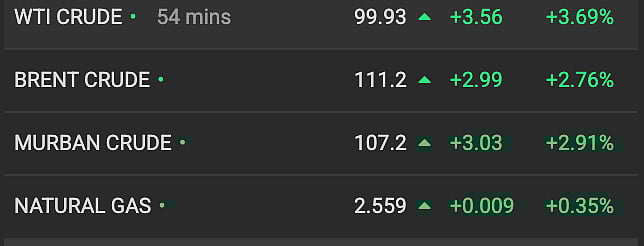
Tensions push WTI near $100, Brent above $111 as Hormuz risk hangs over global energy markets
•Oil prices continued their upward trajectory as of early Wednesday, April 29, 2026, driven by persistent anxieties surrounding the ongoing risks faced by tankers crossing the Strait of Hormuz.Accordin...
•Markets remain highly reactive to the stalled peace negotiations between Washington and Tehran, as well as the continued restriction of shipping through the Strait of Hormuz — a vital artery for appro...
•Consequently, energy prices are projected to surge by 24% throughout 2026, reaching their highest levels since the 2022 invasion of Ukraine.
هذا الخبر من Gulf News. خبر يقدم أدوات ذكاء اصطناعي للتلخيص والترجمة والاستماع.
Oil prices continued their upward trajectory as of early Wednesday, April 29, 2026, driven by persistent anxieties surrounding the ongoing risks faced by tankers crossing the Strait of Hormuz.
Markets remain highly reactive to the stalled peace negotiations between Washington and Tehran, as well as the continued restriction of shipping through the Strait of Hormuz — a vital artery for approximately one-fifth of global crude oil and LNG supplies.
Despite recent diplomatic efforts and proposals by Iran to potentially reopen the waterway in exchange for deferring nuclear discussions, traders remain skeptical.
Consequently, energy prices are projected to surge by 24% throughout 2026, reaching their highest levels since the 2022 invasion of Ukraine.
Analysts from the World Bank and S&P Global caution that even if traffic through the strait returns to normal, tighter fundamental supply and the need to rebuild inventories will likely keep prices elevated through the remainder of the year.
ملاحظة تحريرية | Editorial Note:
نُشر هذا المقال في الأصل بواسطة Gulf News.
خبر (Khabr) هي منصة إعلامية أردنية مرخّصة تعمل بالذكاء الاصطناعي.
نضيف قيمة تحريرية من خلال: تحليل ذكي للأخبار، ملخصات تلقائية، رواية صوتية بالذكاء الاصطناعي، ترجمة متعددة اللغات، وتدقيق الحقائق.
هدفنا جعل الأخبار أكثر وضوحاً وسهولةً للقارئ العربي.
This article was originally published by Gulf News.
Khabr is a licensed Jordanian AI-powered news platform (Registration #82086).
We add editorial value through: AI-powered news analysis, automated summaries, AI audio narration, multi-language translation (Arabic, English, French, Turkish), and AI fact-checking.
Our mission is to make news more accessible and understandable for Arabic-speaking audiences worldwide.
هذا الخبر ضمن تغطية خبر لقسم اقتصاد.
نقدّم لك تحليلات ذكية وملخصات يومية لأهم الأخبار من مصادر موثوقة متعددة.
المصدر: Gulf News.
يوجد 6 مقالات مرتبطة بهذا الموضوع.
This article is part of Khabr's coverage of Economy.
We provide AI-powered analysis, summaries, and multi-source aggregation to keep you informed.
Source: Gulf News.
Tags: oil, WTI, Brent, energy markets.
🍪 نستخدم ملفات تعريف الارتباط لتحسين تجربتك وعرض الإعلانات المخصصة. باستخدامك للموقع، فإنك توافق على سياسة ملفات تعريف الارتباط وسياسة الخصوصية.
We use cookies to enhance your experience and show personalized ads. By using this site, you agree to our Cookie Policy and Privacy Policy.
🔍
FREEFree 1GB Internet + Free International Calls
$1 trial — eSIM in 190+ countries — No roaming charges