⚡ عاجل: كريستيانو رونالدو يُتوّج كأفضل لاعب كرة قدم في العالم●⚡ أخبار عاجلة تتابعونها لحظة بلحظة على خبر●⚡ تابعوا آخر المستجدات والأحداث من حول العالم●
AI اقتراحات ذكية
AI مباشر|--مشاهد مباشر
913,809مقال401مصدر نشط228قناة مباشرة4,202خبر اليوم
آخر تحديث:منذ 3 ثواني
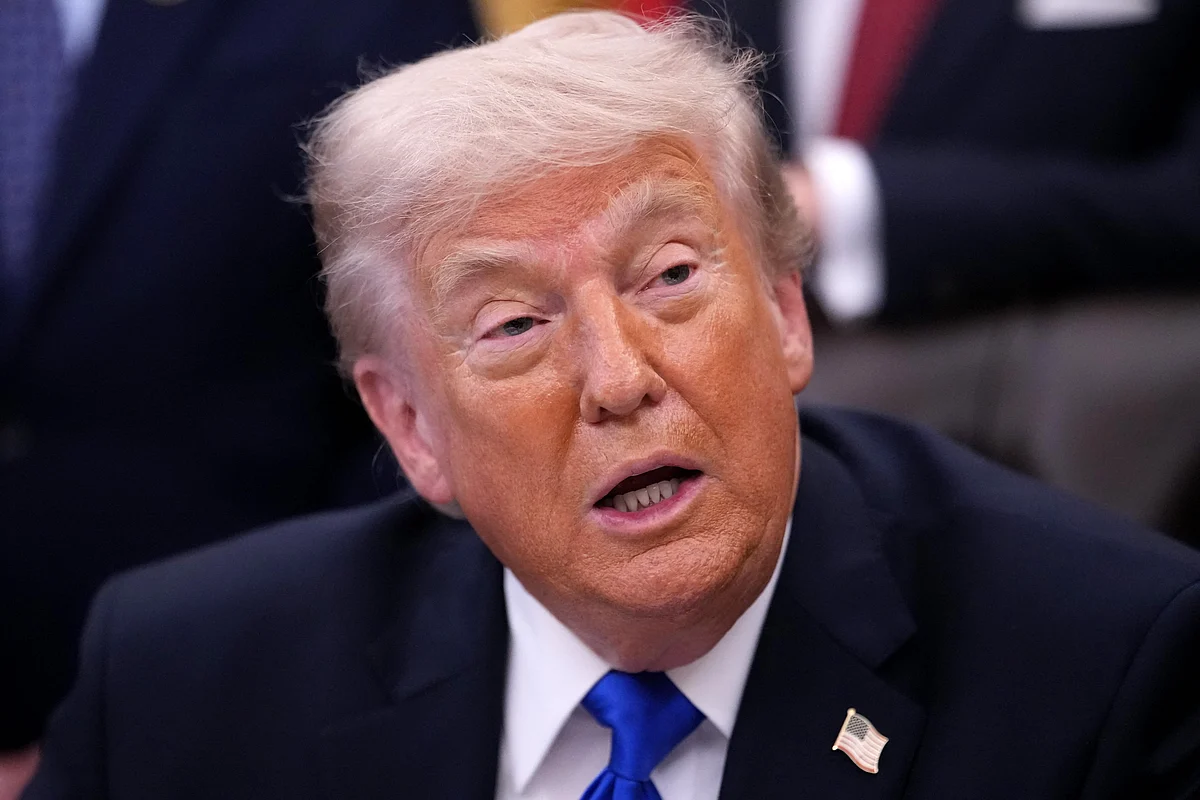
TACO turns NACHO: Wall Street coins new Trump nickname over Hormuz crisis
•[Editor's Note: Follow Khaleej Times live blog for the latest regional developments with the US-Israel-Iran ceasefire now in effect.]US President Donald Trump’s shifting stance on the Strait...
•Follow KT on WhatsApp Channels.NACHO instead now reflects growing scepticism that Trump can quickly resolve the current crisis or reopen the Strait.The label, coined in trading circles and later highl...
•Instead of tariffs, the current standoff centres on military tensions, global energy supplies and the risk of broader regional escalation.As a result, the acronym suggests that traders are no longer e...
هذا الخبر من Khaleej Times. خبر يقدم أدوات ذكاء اصطناعي للتلخيص والترجمة والاستماع.
[Editor's Note: Follow Khaleej Times live blog for the latest regional developments with the US-Israel-Iran ceasefire now in effect.]
US President Donald Trump’s shifting stance on the Strait of Hormuz crisis has inspired a new Wall Street nickname, following the earlier “TACO” label used for his pattern of issuing threats and later retreating.
A new acronym, NACHO, short for Not A Chance Hormuz Opens, is gaining traction among traders as tensions between the US and Iran continue to keep the key waterway shut.
The term replaces the earlier TACO (“Trump Always Chickens Out”), which was used during tariff disputes to describe Trump’s tendency to back down after aggressive announcements.
NACHO instead now reflects growing scepticism that Trump can quickly resolve the current crisis or reopen the Strait.
The label, coined in trading circles and later highlighted by Bloomberg columnist Javier Blas on X, points to a shift in how markets are viewing the Trump administration’s approach – moving beyond tariff policy, which had inspired the earlier “TACO” acronym.
According to Blas, the new nickname, coined by a financial trader, reflects growing frustration over the stop-start blockade in the Strait, which has disrupted global oil supplies and pushed fuel prices higher.
But it also indicates that some are not confident Trump can secure a deal with Iran that will alleviate tensions in the Strait of Hormuz and allow ships carrying oil to pass through.
How did TACO come by
The earlier acronym, TACO — short for “Trump Always Chickens Out” — became popular among investors during bouts of market volatility tied to US trade policy.
It was widely associated with Financial Times columnist Robert Armstrong, who used it to describe a repeated pattern in Trump’s approach: tough announcements, especially on tariffs, that rattled markets, followed by reversals or softer positions that triggered recoveries.
The newer term, NACHO, reflects a different and more serious crisis. Instead of tariffs, the current standoff centres on military tensions, global energy supplies and the risk of broader regional escalation.
As a result, the acronym suggests that traders are no longer expecting quick policy reversals or an easy diplomatic breakthrough.
How the Strait of Hormuz has been brought to a halt
Two months after the war began with US-Israeli strikes on Iran, the crucial Strait of Hormuz remains shut, disrupting around 20% of global oil and gas supplies.
That has sent global energy prices surging and heightened concerns about the risks of an economic downturn.
Despite being in the middle of a ceasefire, Iran has kept the Strait closed while the United States has imposed a blockade on Iranian ports.
Tehran has offered to reopen the waterway if Washington lifts its blockade, but Trump has refused unless Iran agrees to his demands to end its nuclear enrichment programme.
Efforts to reach a broader settlement have already faltered.
An initial round of talks between the US, Israel and Iran failed to produce a deal, while a planned second round was called off this week after Trump summoned his top negotiators back to Washington.
ملاحظة تحريرية | Editorial Note:
نُشر هذا المقال في الأصل بواسطة Khaleej Times.
خبر (Khabr) هي منصة إعلامية أردنية مرخّصة تعمل بالذكاء الاصطناعي.
نضيف قيمة تحريرية من خلال: تحليل ذكي للأخبار، ملخصات تلقائية، رواية صوتية بالذكاء الاصطناعي، ترجمة متعددة اللغات، وتدقيق الحقائق.
هدفنا جعل الأخبار أكثر وضوحاً وسهولةً للقارئ العربي.
This article was originally published by Khaleej Times.
Khabr is a licensed Jordanian AI-powered news platform (Registration #82086).
We add editorial value through: AI-powered news analysis, automated summaries, AI audio narration, multi-language translation (Arabic, English, French, Turkish), and AI fact-checking.
Our mission is to make news more accessible and understandable for Arabic-speaking audiences worldwide.
هذا الخبر ضمن تغطية خبر لقسم سياسة.
نقدّم لك تحليلات ذكية وملخصات يومية لأهم الأخبار من مصادر موثوقة متعددة.
المصدر: Khaleej Times.
يوجد 6 مقالات مرتبطة بهذا الموضوع.
This article is part of Khabr's coverage of Politics.
We provide AI-powered analysis, summaries, and multi-source aggregation to keep you informed.
Source: Khaleej Times.
🍪 نستخدم ملفات تعريف الارتباط لتحسين تجربتك وعرض الإعلانات المخصصة. باستخدامك للموقع، فإنك توافق على سياسة ملفات تعريف الارتباط وسياسة الخصوصية.
We use cookies to enhance your experience and show personalized ads. By using this site, you agree to our Cookie Policy and Privacy Policy.
🔍
FREEFree 1GB Internet + Free International Calls
$1 trial — eSIM in 190+ countries — No roaming charges