ALBAWABA - Arab world remembers Mazen Lotfi, director who shaped radio drama.
Syrian radio actor and director Mazen Lotfi passed away early Friday morning at the age of 85, after a career spanning more than half a century in radio and television drama. He left behind thousands of hours of work that have become part of the collective memory of listeners in Syria and the Arab world.
The Syrian Artists Syndicate announced his death on its official Facebook page, mourning the "esteemed artist Mazen Lotfi" and offering condolences to his family, colleagues, and fans.
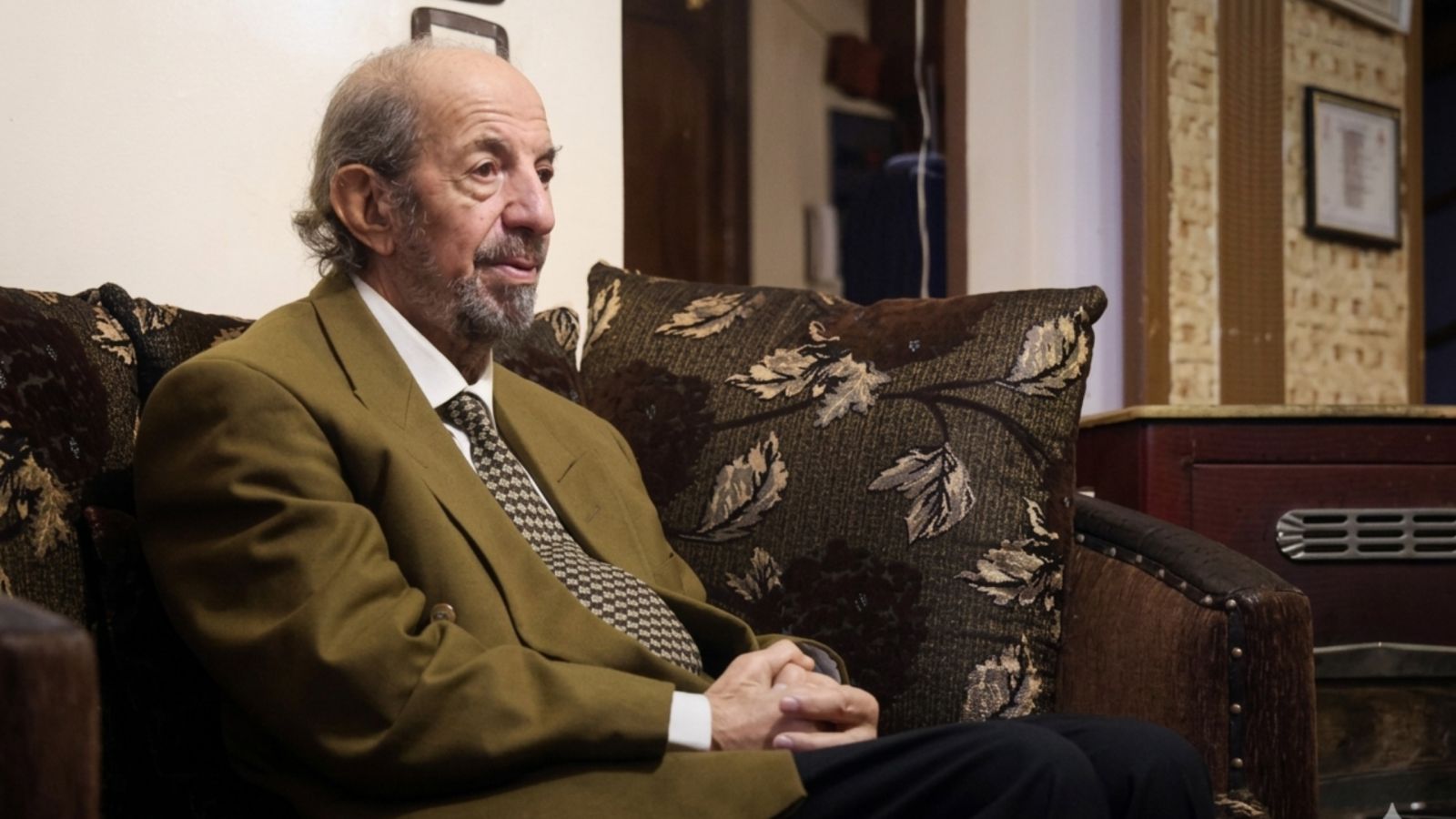
According to the Syrian Arab News Agency (SANA), Mazen Lotfi was a leading figure in radio drama in the country. The Syrian Radio archives hold approximately 16,000 hours of his dramatic works, a record number in the history of Arab radio directing.
Born in Damascus in 1941, Mazen Lotfi began his career in theater, taking on small roles in private folk theater productions before joining the drama department of Syrian Radio in 1972. After completing training courses both in Syria and abroad, he transitioned to radio directing, establishing his own distinctive style in the field.
He directed and produced dozens of radio dramas and participated in over 50 television dramas. He garnered numerous Arab awards, including the Gold Award at the Tunis Festival for his work "Sanabel Al-Adab" (Ears of Literature) and the Golden Creativity Awards at the Cairo Arab Media Festival for works such as "Muftaraq Al-Matar" (The Crossroads of Rain), "Dhawahir Mudhisha" (Amazing Phenomena), and "Sawt Fi Al-Dhakira" (A Voice in Memory).
Lotfi joined the Artists Syndicate in 1973 and forged close relationships with several prominent figures in Syrian and Arab art throughout his career. Testimonies from within the artistic community indicate his dedication to documenting the experiences of pioneers, not only through collaborations but also through original works dedicated to chronicling their lives.
Among these works is a radio drama series in which the artist Abdel Latif Fathi documented Lotfi's life and artistic career with his voice, in addition to the program "A Voice in Memory," which he wrote and directed. This program was dedicated to reviving the legacy of deceased artists, serving as "a renewed tribute to names that should not fade from public consciousness."
In this sense, Lotfi was one of those who worked quietly behind the microphone and camera, yet simultaneously strived to ensure that the voices of pioneers remained present in the minds of new generations.
Mazen Lotfi's presence was not limited to radio. He also acted in several privately produced films, including "Ghazlan," "Abu Antar Bond," and "Habibi Majnoun Jiddan," before establishing a broader presence in Syrian and Arab television dramas over the decades.
Lutfi appeared in numerous television productions, most notably "The Deceased's Will," "Warm Roots," "Tarabish," "Abu Antar's Diaries," parts of the "Mirrors" series, "Dunya," "The Madhouse," "The Lady's Husband," "Bab Al-Hara," "Gibran Khalil Gibran," "Qamar Bani Hashim," "Naji Attallah's Squad," and "A Moment of Silence."
His last dramatic role was in the series "Struggle of the Hills," which has finished filming but has not yet aired, marking the culmination of a career spanning over 50 years between the microphone and the camera.
With the passing of Mazen Lutfi, Syrian drama loses one of its quiet figures, a man who worked diligently between radio and television, accumulating a lasting presence through thousands of hours of radio programs and dozens of characters familiar to audiences on screen.
Published figures on his legacy indicate that thousands of hours of Lutfi's radio work remain in the radio archives, providing valuable material that documents the evolution of radio drama in Syria and the region over half a century.
As messages of condolence and mourning pour in from his colleagues and students via social media, the Syrian artistic community bids farewell to a director and actor who contributed to the formation of an auditory and aesthetic memory that was linked to the childhood of many generations and left a quiet but clear mark on the history of radio and drama.