⚡ عاجل: كريستيانو رونالدو يُتوّج كأفضل لاعب كرة قدم في العالم●⚡ أخبار عاجلة تتابعونها لحظة بلحظة على خبر●⚡ تابعوا آخر المستجدات والأحداث من حول العالم●
AI اقتراحات ذكية
AI مباشر|--مشاهد مباشر
913,797مقال401مصدر نشط228قناة مباشرة4,201خبر اليوم
آخر تحديث:منذ 3 ثواني
Strait of Hormuz crisis: US forces say 27 vessels redirected amid Iran blockade
•US Central Command said American forces have directed 27 vessels to turn around or return to Iranian ports since the blockade of Iranian maritime routes began last week.According to the military state...
•You are entering an area of a military blockade, the message states.
•The warning adds that the blockade applies to all vessels regardless of flag and that ships attempting to evade it could be stopped by force under international law.Since the commencement of the block...
هذا الخبر من Gulf News. خبر يقدم أدوات ذكاء اصطناعي للتلخيص والترجمة والاستماع.
US Central Command said American forces have directed 27 vessels to turn around or return to Iranian ports since the blockade of Iranian maritime routes began last week.
According to the military statement, the measure targets ships entering or leaving Iranian ports and coastal waters, as tensions continue to escalate in the region.
Get updated faster and for FREE: Download the Gulf News app now - simply click here.
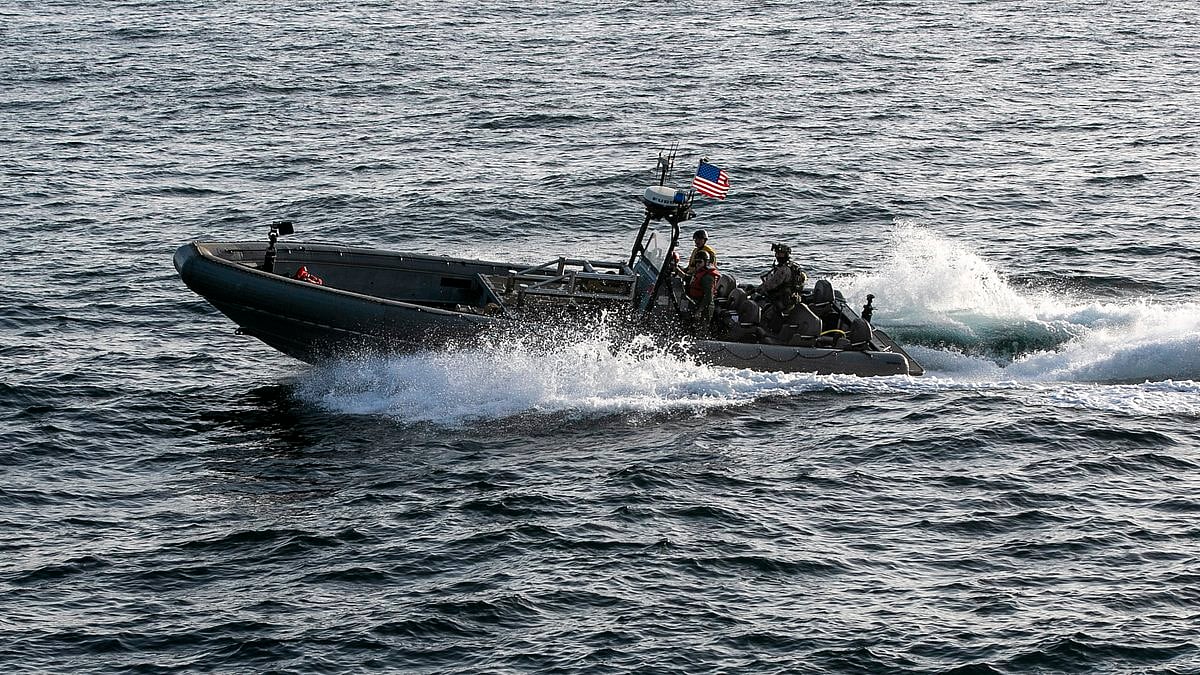
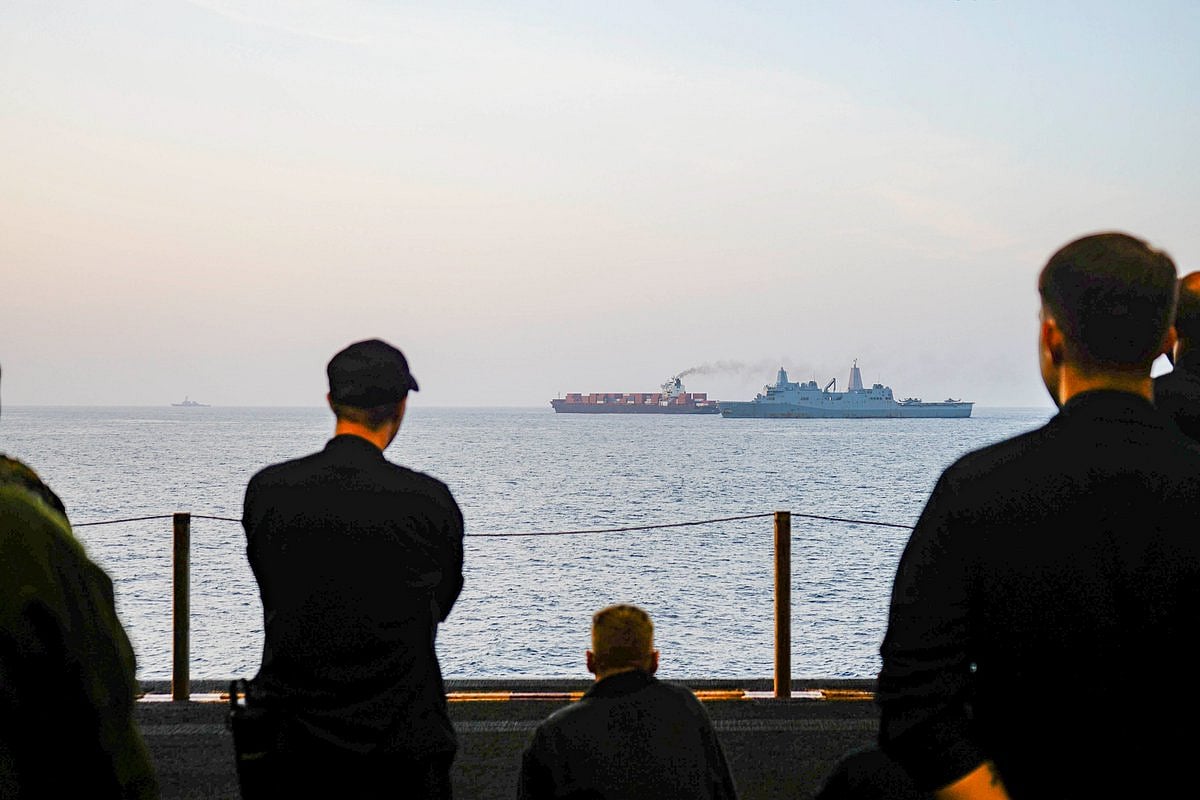
US forces patrol Arabian Sea after seizure of M/V Touska
Helicopter warning to cargo ship
The US military released video footage showing a helicopter-mounted machine gunner warning a cargo vessel to turn back after it was detected near Iranian waters.
Shared by US Central Command on X, the video shows a serviceman pointing a heavy-calibre weapon while issuing radio warnings that the ship had entered a restricted military zone.
The warning adds that the blockade applies to all vessels regardless of flag and that ships attempting to evade it could be stopped by force under international law.
Since the commencement of the blockade against ships entering or exiting Iranian ports and coastal areas, U.S. forces have directed 27 vessels to turn around or return to an Iranian port. pic.twitter.com/G8dl96wN4H
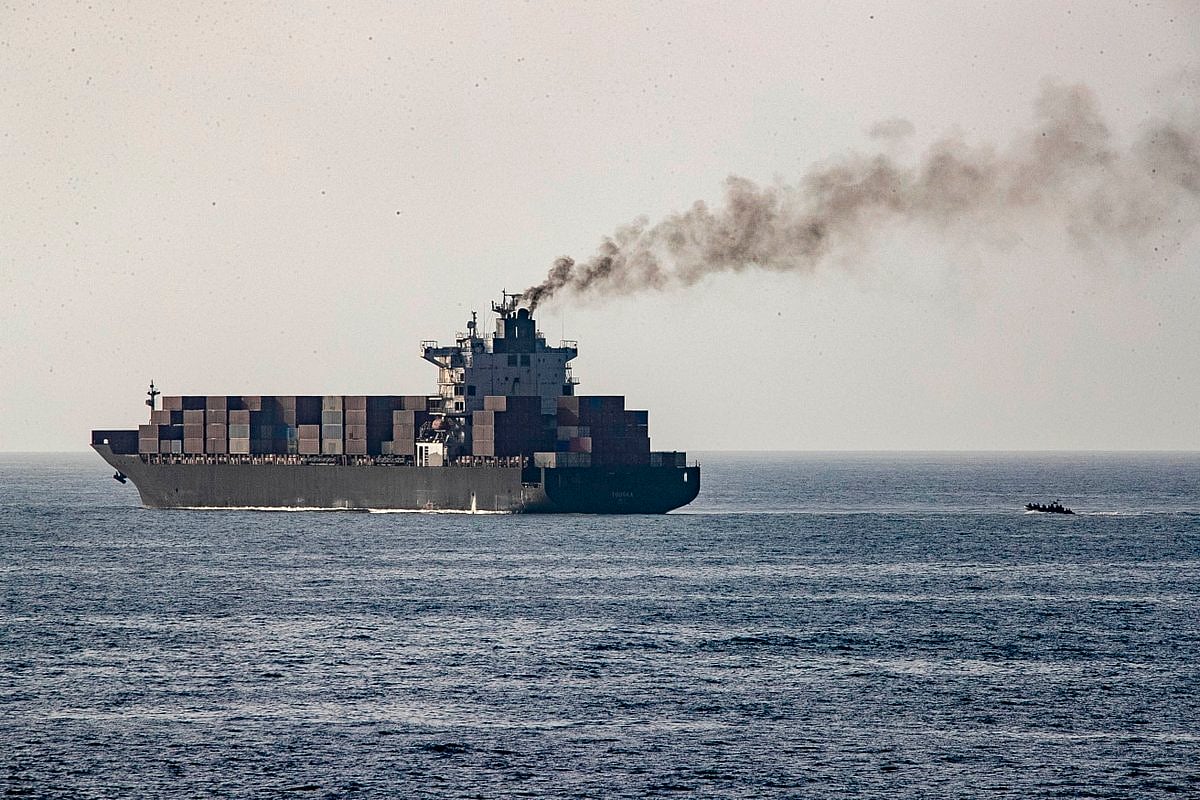
US forces have also confirmed a boarding operation in the Arabian Sea involving the Iranian-flagged cargo vessel Touska.
According to Central Command, Marines from the 31st Marine Expeditionary Unit were deployed from the USS Tripoli and rappelled onto the ship after it failed to comply with repeated warnings.
Iranian vessel Touska seized in US naval blockade operation
The guided-missile destroyer USS Spruance reportedly disabled the vessel’s propulsion after issuing six hours of warnings. The ship was later boarded and placed under US control.
Military officials described the operation as “deliberate, professional, and proportional”.
U.S. Marines depart amphibious assault ship USS Tripoli (LHA 7) by helicopter and transit over the Arabian Sea to board and seize M/V Touska. The Marines rappelled onto the Iranian-flagged vessel, April 19, after guided-missile destroyer USS Spruance (DDG 111) disabled Touska’s… pic.twitter.com/mFxI5RzYCS
Shipping activity through the Strait of Hormuz has dropped sharply, with only 16 vessels recorded crossing on Monday, according to tracking data.
Nine ships entered the strait, while seven exited, including Iranian-flagged vessels. Some operators have reportedly turned off transponders or altered signals, making full verification difficult.
Despite continued movement, shipping firms say traffic remains highly restricted amid ongoing tensions and overlapping restrictions enforced by both sides.
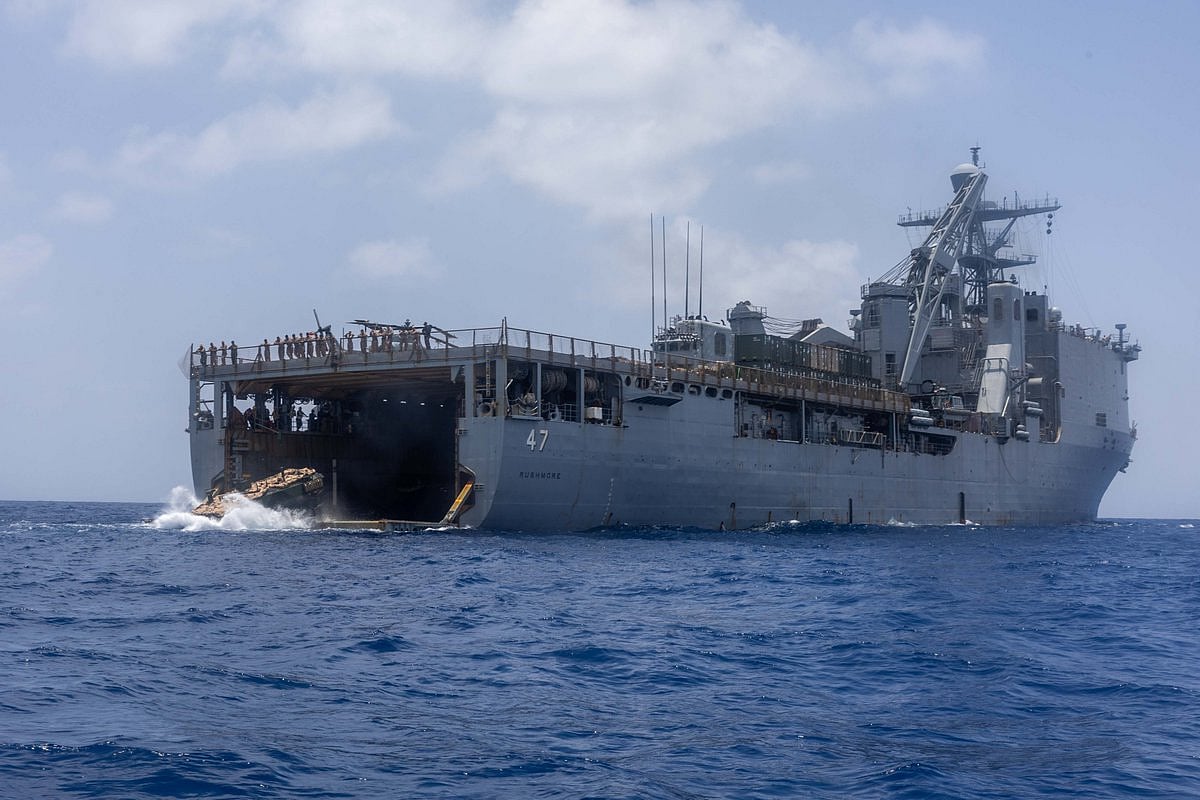
Sailors and Marines aboard dock landing ship USS Rushmore (LSD 47) conduct blockade operations in the Arabian Sea.
Limited passage through key waterway
Marine tracking data indicates only a handful of ships have crossed since recent disruptions began, reflecting growing caution among shipping operators in the Gulf.
Although Iran briefly signalled a reopening of the waterway, US restrictions on Iranian-linked vessels remain in place, maintaining uncertainty over transit conditions.
Some vessels have reportedly been ordered to change course, while others continue operating under heightened risk conditions in one of the world’s most sensitive energy corridors.
Iran accuses US of piracy
Iran’s military has confirmed the seizure of the vessel Touska, accusing the United States of violating the ceasefire and committing “maritime piracy”.
Tehran said US forces fired on the ship and disabled its navigation systems before deploying Marines onboard.
Iran has warned of retaliation, escalating tensions further as fragile ceasefire arrangements remain under strain between the two sides.
ملاحظة تحريرية | Editorial Note:
نُشر هذا المقال في الأصل بواسطة Gulf News.
خبر (Khabr) هي منصة إعلامية أردنية مرخّصة تعمل بالذكاء الاصطناعي.
نضيف قيمة تحريرية من خلال: تحليل ذكي للأخبار، ملخصات تلقائية، رواية صوتية بالذكاء الاصطناعي، ترجمة متعددة اللغات، وتدقيق الحقائق.
هدفنا جعل الأخبار أكثر وضوحاً وسهولةً للقارئ العربي.
This article was originally published by Gulf News.
Khabr is a licensed Jordanian AI-powered news platform (Registration #82086).
We add editorial value through: AI-powered news analysis, automated summaries, AI audio narration, multi-language translation (Arabic, English, French, Turkish), and AI fact-checking.
Our mission is to make news more accessible and understandable for Arabic-speaking audiences worldwide.
هذا الخبر ضمن تغطية خبر لقسم سياسة.
نقدّم لك تحليلات ذكية وملخصات يومية لأهم الأخبار من مصادر موثوقة متعددة.
المصدر: Gulf News.
يوجد 6 مقالات مرتبطة بهذا الموضوع.
This article is part of Khabr's coverage of Politics.
We provide AI-powered analysis, summaries, and multi-source aggregation to keep you informed.
Source: Gulf News.
Tags: Strait of Hormuz, US forces, Iran blockade.
🍪 نستخدم ملفات تعريف الارتباط لتحسين تجربتك وعرض الإعلانات المخصصة. باستخدامك للموقع، فإنك توافق على سياسة ملفات تعريف الارتباط وسياسة الخصوصية.
We use cookies to enhance your experience and show personalized ads. By using this site, you agree to our Cookie Policy and Privacy Policy.
🔍
FREEFree 1GB Internet + Free International Calls
$1 trial — eSIM in 190+ countries — No roaming charges