⚡ عاجل: كريستيانو رونالدو يُتوّج كأفضل لاعب كرة قدم في العالم●⚡ أخبار عاجلة تتابعونها لحظة بلحظة على خبر●⚡ تابعوا آخر المستجدات والأحداث من حول العالم●
AI اقتراحات ذكية
AI مباشر|--مشاهد مباشر
912,089مقال401مصدر نشط228قناة مباشرة4,586خبر اليوم
•The State Bank of Pakistan’s (SBP) decision to raise the policy rate by 100 basis points to 11.5 per cent is an unmistakable signal: there is a clear preference for stability over economic growth; dis...
•In a climate already weighed down by structural fragilities, monetary tightening has become the chosen instrument of restraint, especially since April inflation hit double digits for the first time in...
•This stance is reinforced across the yield curve, with Treasury bill yields rising by up to 83 basis points in last week’s auction — signalling that short-term borrowing costs are being recalibrated u...
هذا الخبر من Dawn. خبر يقدم أدوات ذكاء اصطناعي للتلخيص والترجمة والاستماع.
The State Bank of Pakistan’s (SBP) decision to raise the policy rate by 100 basis points to 11.5 per cent is an unmistakable signal: there is a clear preference for stability over economic growth; discipline over expansion.
In a climate already weighed down by structural fragilities, monetary tightening has become the chosen instrument of restraint, especially since April inflation hit double digits for the first time in 21 months to clock in at 10.9pc.
This stance is reinforced across the yield curve, with Treasury bill yields rising by up to 83 basis points in last week’s auction — signalling that short-term borrowing costs are being recalibrated upward in line with tighter monetary expectations.
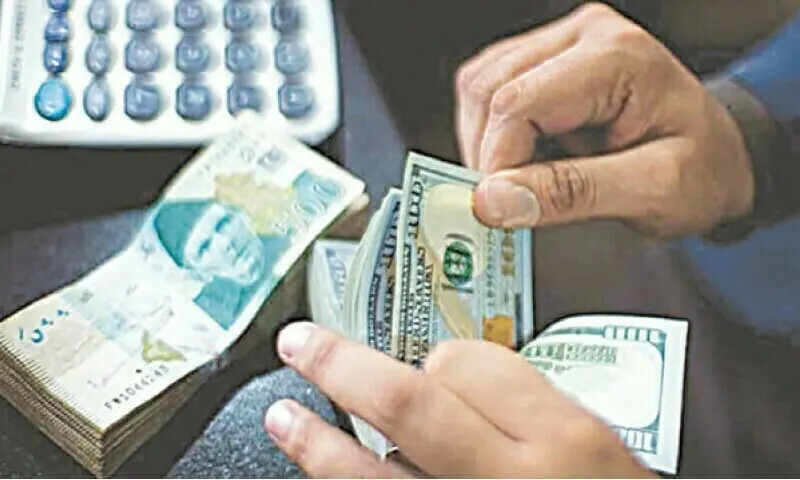
The immediate impact is felt where it always is — on borrowers and the stock market. Debt servicing costs are set to rise, cash flows are tightening, and financial space shrinks. The federal budget captures this pressure starkly: debt servicing now stands at Rs8.2 trillion, consuming 46.7pc of total federal expenditure for FY26. Nearly one rupee in every two is already committed to past obligations rather than future capacity. Besides, the KSE-100 index lost 4.5pc during the week ending April 30, partly due to the interest rate hike but largely because of the deepening Middle East conflict and a sharp increase in fuel oil prices following the closure of the Strait of Hormuz.
High interest rates, rising T-bill yields, and external pressure are forcing fiscal discipline and more realistic planning
Domestic debt repayments of Rs7.2tr alongside roughly Rs1tr in external dues earmarked for this fiscal year leave little fiscal space. Each rise in interest rates further compresses development spending, squeezing allocations for health, education, and infrastructure.
The private sector is not insulated. Export-oriented industries, particularly textiles, operate on thin margins. A one percentage point rise in interest rates reduces profits by about 0.8 percentage points, according to the Rawalpindi Chamber of Commerce and Industry. On a year-on-year basis, textile sector earnings have already slipped half a percentage point in the first nine months of this fiscal year and more than 7pc in March alone.
Large-scale manufacturing has so far recovered fast — 5.89pc during the first eight months of FY26 and 6.45pc in February alone, according to the Pakistan Bureau of Statistics. But whether this growth momentum remains intact in the remaining four months in a tighter interest rate regime and amidst rising petrol and diesel prices is hard to predict.
Global and regional headwinds are adding pressure. Geopolitical tensions in the Middle East have kept energy markets volatile. The Strait of Hormuz, which normally carries nearly a quarter of global seaborne oil, has seen ship traffic fall by nearly 95pc since late February, delaying fertiliser shipments and pushing up prices. The UN warns that prolonged disruption could push over 30 million more people into poverty globally, with losses of around $9bn per week. For import-dependent economies like Pakistan, this means imported inflation and tighter external liquidity — strengthening the case for monetary restraint.
Fuel prices in Pakistan reflect this shock. Between March 6 and May 1 alone, the domestic price of petrol surged by over 50pc — from Rs266.17 to Rs399.86 per litre — while the price of diesel jumped more than 42pc, from Rs280.86 to Rs399.58 per litre. This price surge, driven by global supply disruptions and elevated international oil prices, has marked one of the steepest two-month increases in years.
Pakistan’s debt burden also remains structural rather than cyclical. Total public debt has reached Rs81.3tr in the first half of FY26. The debt-to-GDP ratio stands at 70.7pc, the statutory ceiling of 60pc. External debt is estimated at $91.8 billion, with more than half owed to multilateral lenders, including the International Monetary Fund (IMF). Gross external financing needs exceed $25bn, signalling continued reliance on rollovers of foreign state funds and inflows.
Foreign exchange reserves, at around $15.83bn as of 24th April 2026, remain stable but vulnerable. Projections of $18bn by June depend, in large part, on sustained remittances, revised down to about $41bn for FY26. The margin for error is thin.
The surge in the weekly fuel import bill from $300m before the Middle East conflict to $800m now, as revealed by the prime minister, signals a structural external shock. With Pakistan importing 80–85pc of its petroleum needs, this translates into $3.5–4.5bn monthly, effectively tripling the energy bill under stable conditions.
If crude prices climb further, the trade deficit could widen sharply, while inflation accelerates. Rising freight and insurance costs, combined with pressure on Gulf-linked remittances (around 55pc of inflows), further strain the external account.
These forces risk reversing earlier current account surpluses and could push the trade deficit into a wider gap by year-end.
Circular debt remains a persistent drag. It has risen to Rs1.8tr by March 2026, according to the federal government’s Power Division. Pakistan has committed to the IMF to bring this down to Rs1.61tr by the end of the fiscal year in June. But even if this debt stock were reduced, it would not ultimately lower electricity prices, as fuel oil prices keep rising amid the Middle East conflict.
The circular debt stock, which also includes Rs543bn (as of February) owed to China-Pakistan Economic Corridor-related projects, reflects inefficiencies in generation, transmission, and recovery. Despite reforms, the government has been forced to divert funds from the Public Sector Development Programme to meet energy liabilities, crowding out development spending.
Yet, within these constraints are corrective signals. High interest rates, rising T-bill yields, and external pressure are forcing fiscal discipline and more realistic planning. The government has set a primary surplus target of Rs3.17tr for FY26, marking a third consecutive surplus under the IMF benchmarks.
Published in Dawn, The Business and Finance Weekly, May 4th, 2026
ملاحظة تحريرية | Editorial Note:
نُشر هذا المقال في الأصل بواسطة Dawn.
خبر (Khabr) هي منصة إعلامية أردنية مرخّصة تعمل بالذكاء الاصطناعي.
نضيف قيمة تحريرية من خلال: تحليل ذكي للأخبار، ملخصات تلقائية، رواية صوتية بالذكاء الاصطناعي، ترجمة متعددة اللغات، وتدقيق الحقائق.
هدفنا جعل الأخبار أكثر وضوحاً وسهولةً للقارئ العربي.
This article was originally published by Dawn.
Khabr is a licensed Jordanian AI-powered news platform (Registration #82086).
We add editorial value through: AI-powered news analysis, automated summaries, AI audio narration, multi-language translation (Arabic, English, French, Turkish), and AI fact-checking.
Our mission is to make news more accessible and understandable for Arabic-speaking audiences worldwide.
هذا الخبر ضمن تغطية خبر لقسم صحة.
نقدّم لك تحليلات ذكية وملخصات يومية لأهم الأخبار من مصادر موثوقة متعددة.
المصدر: Dawn.
يوجد 6 مقالات مرتبطة بهذا الموضوع.
This article is part of Khabr's coverage of Health.
We provide AI-powered analysis, summaries, and multi-source aggregation to keep you informed.
Source: Dawn.
Tags: nutrition, children's health, plant-based milk.
🍪 نستخدم ملفات تعريف الارتباط لتحسين تجربتك وعرض الإعلانات المخصصة. باستخدامك للموقع، فإنك توافق على سياسة ملفات تعريف الارتباط وسياسة الخصوصية.
We use cookies to enhance your experience and show personalized ads. By using this site, you agree to our Cookie Policy and Privacy Policy.
🔍
FREEFree 1GB Internet + Free International Calls
$1 trial — eSIM in 190+ countries — No roaming charges