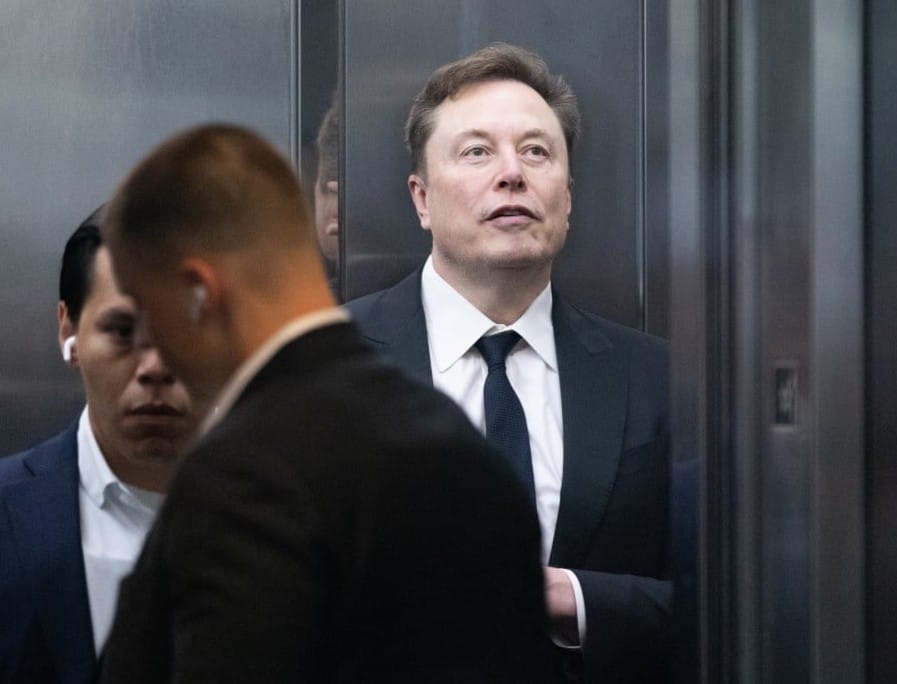
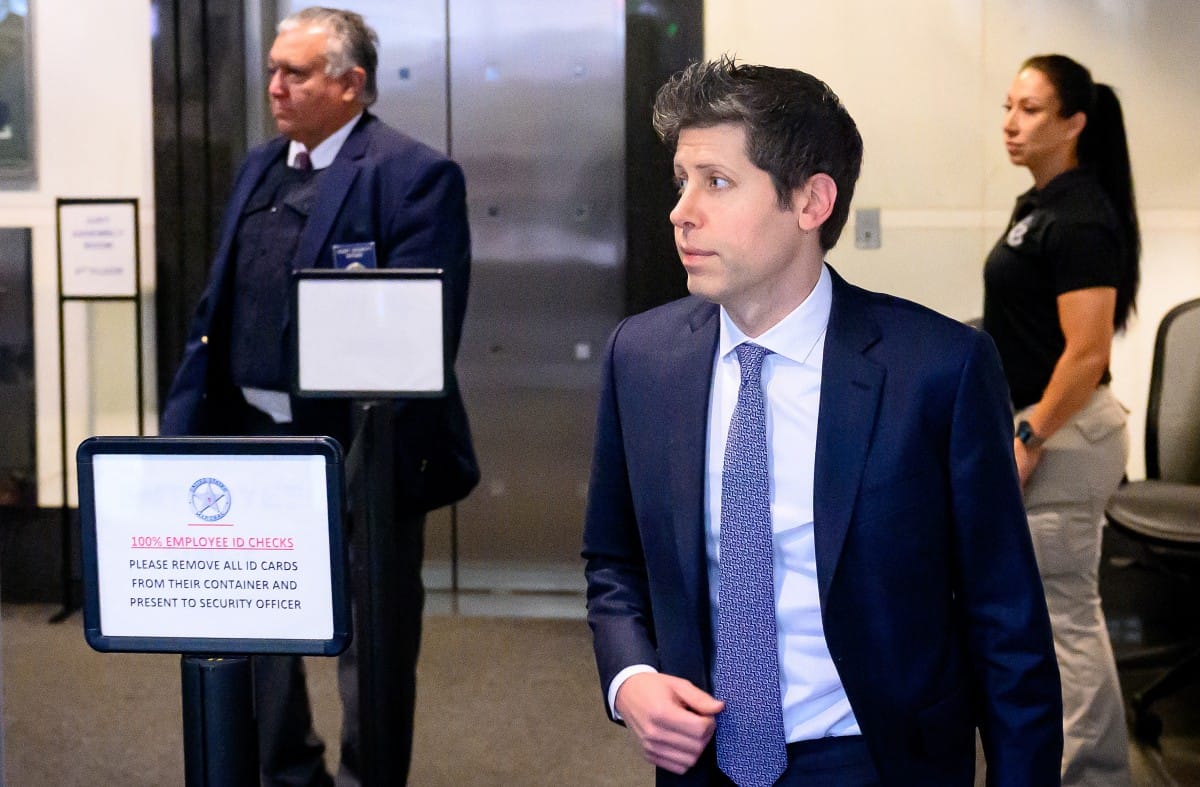
A California jury rejected Elon Musk's lawsuit against OpenAI and CEO Sam Altman on Monday (May 18, 2026), finding that his claims were barred by the statute of limitations.
In a unanimous verdict following roughly two hours of deliberations, the jury determined that Musk had "waited too long to file suit"
This rendered his primary claims of breach of charitable trust and unjust enrichment "time-barred".
The decision meant jurors did not reach the underlying merits of the allegations.
Not-for-profit foundation
Musk, who co-founded OpenAI in 2015 as a nonprofit, accused Altman and the organisation of breaching its founding mission to develop artificial intelligence for the benefit of humanity, rather than profit.
He alleged that Altman deceived him by accepting approximately $38 million in donations from Musk before shifting the company toward a for-profit structure.
The US jury system is a cornerstone of the American legal framework, designed to allow ordinary citizens — rather than the government — to determine the facts of a legal dispute. It guarantees the accused the right to a trial by a "jury of one's peers" and involves the public in two main types of juries: grand juries and petit (trial) juries, as per the US National Judicial College.
Musk assails Microsoft
Musk further claimed Microsoft aided and abetted the transition.
Those claims against Microsoft were dismissed as a matter of law following the jury's findings on the OpenAI counts.
The trial, which spanned three weeks in federal court, featured extensive testimony from Musk, Altman and other technology executives, including Microsoft CEO Satya Nadella, along with internal documents and correspondence.
Musk testified that the case centered on a simple principle: "It's not OK to steal a charity."
Altman countered that Musk had supported the shift to a for-profit model and had sought long-term control of the organisation.
Altman described a tense exchange in which Musk reportedly suggested the company could pass to his children upon his death.
Musk departed OpenAI in 2018 after co-founders declined to grant him control.
The lawsuit reflected years of acrimony that intensified after ChatGPT's success elevated Altman's profile.
Reactions, next steps
A spokesperson for Microsoft said the facts and timeline had long been clear and reaffirmed the company's commitment to its partnership with OpenAI.
OpenAI spokesman Sam Singer called the verdict "a tremendous victory" outside the Oakland courthouse, describing the suit as an effort by Musk to slow a competitor.
Attorney William Savitt, representing OpenAI, said the jury concluded Musk's account of the company's origins was not credible and praised the swift resolution.Musk criticized the outcome on his social platform X, calling it "a free license to loot charities if you can keep the looting quiet for a few years."
He described the presiding judge as a "terrible activist" and said the jury served as "a fig leaf" for a decision based on a "calendar technicality."
Musk's attorney, Marc Toberoff, stated simply: "This war is not over" and signaled plans to appeal.
Legal experts described the verdict as a fact-intensive determination unlikely to be overturned.
Carl Tobias, a law professor at the University of Richmond School of Law, called it "a very fact-based decision" and noted that juries are trusted to resolve such factual disputes with "community common sense".
Appellate specialist Raffi Melkonian observed that appeals of jury verdicts are "very hard to win," particularly on statute of limitations findings that a trial judge had already reviewed.
The case adds to recent legal setbacks and settlements for Musk.
An appeal could prolong resolution of the dispute, but experts assessed Musk's prospects for reversal as limited given the deferential standard of review for jury findings on factual issues such as when claims accrued.
STATUTE OF LIMITATIONS: A statute of limitations is a strict legal deadline that dictates the maximum amount of time a plaintiff has to file a lawsuit after a claim or injury occurs. If a lawsuit is filed after this "window" expires, the claims are dismissed as legally untimely, regardless of their actual merit.
How it applied to the OpenAI lawsuit:
The verdict: A California jury unanimously dismissed Elon Musk's high-profile lawsuit against OpenAI and CEO Sam Altman because it was "filed too late", blowing past the statute of limitations.
The limits: Musk’s primary claims, such as breach of charitable trust and unjust enrichment, were subject to strict time windows of three years and two years, respectively.
The timeline: The court found that Musk "waited too long" to sue. Evidence established that Musk was aware of OpenAI's restructuring plans and shift toward a for-profit entity years prior to filing his lawsuit in 2024. OpenAI argued (and the jury agreed) that because Musk knew about the company's trajectory and business agreements well before the limitations period, his window to sue had expired.
Case outcome & next steps:
Dismissal: US District Judge Yvonne Gonzalez Rogers accepted the jury’s advisory verdict and officially dismissed all claims against OpenAI, its leadership, and co-defendant Microsoft.
Appeal: Following the dismissal, Musk's legal team announced their intent to appeal the ruling, arguing that the statute of limitations shouldn't act as a shield against alleged corporate misconduct, as per Forbes.