Shashi Tharoor writes: A new world order needs a credible architect. India must claim that role
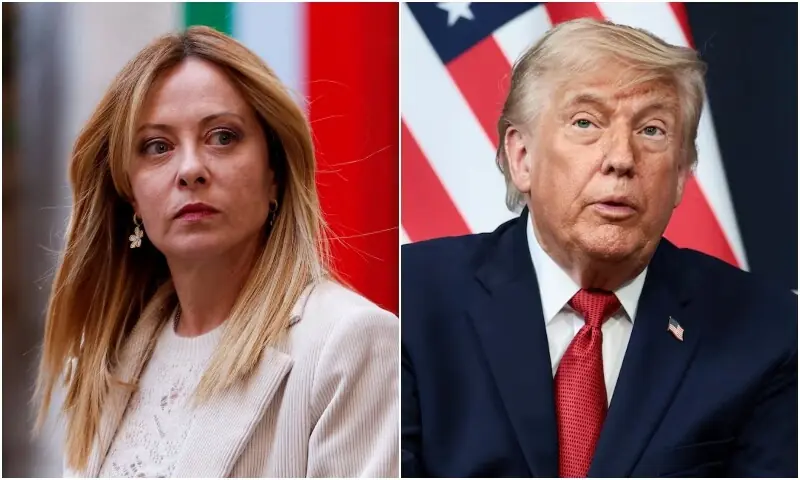
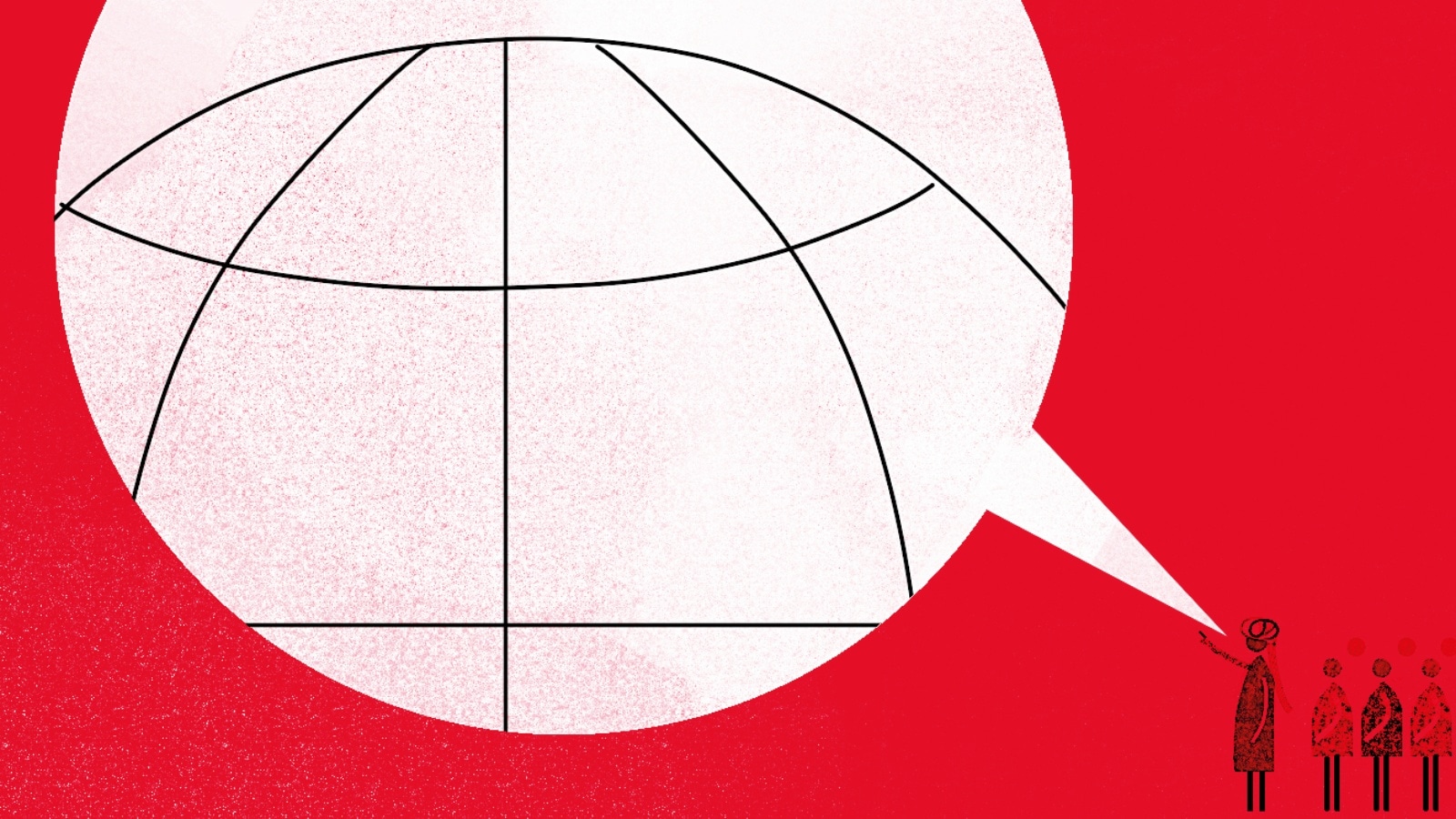
The annals of history are often written in the ink of unintended consequences. As the fragile ceasefire enters its second week, the US naval blockade takes effect in the Strait of Hormuz. With potential escalations threatening mayhem, the world finds itself staring at a landscape transformed by a conflict few desired and none can claim to have won. For India, a nation that historically prides itself on its moral heritage, this crisis has exposed the fragility of our energy security and our lack of leverage with the big powers. But more importantly, it has presented a moment of existential choice: In the wake of the collapse of the peace negotiations, will India continue to hedge its bets in the shadows of giants, or will it stand up to be counted as a principled architect of a new, durable global order? The Iran war, launched under the banner of “Operation Epic Fury”, was framed by Washington as a surgical necessity — a mission to degrade Iran’s nuclear capabilities and proxy networks. Yet, as the war dragged into its second month, the goalposts shifted with dizzying frequency. From regime change to the desperate restoration of maritime navigation, the shifting objectives revealed a fundamental truth: Modern warfare is a blunt instrument incapable of resolving geopolitical problems surgically. The primary casualty of this military hubris was the Strait of Hormuz. By attempting to “secure” the region, the offensive triggered the very insecurity it sought to prevent: A blockade of the strait. The result was a self-inflicted irony of global proportions: US President Donald Trump called the reopening of the strait his major war aim, though the strait had been open and functioning smoothly till the war began, and then announced a blockade himself! As of today, we have a stalemate. There is talk of peace negotiations resuming on Friday in Islamabad, while an economic chokehold is applied to Iran against a backdrop of threats and attacks that leaves every underlying tension unresolved and the region more volatile than ever. In the arithmetic of this war, the big winners (and some of the losers) were not those on the battlefield. Russia, despite its own war in Ukraine, found a lifeline in the chaos. As global attention drifted away from Eastern Europe, Moscow saw surging revenues from booming (and temporarily sanction-free) energy sales. China, too, emerged as a quiet net beneficiary. By settling discounted Iranian crude in yuan rather than petrodollars, Beijing accelerated the de-dollarisation of the global economy without firing a shot. And as the US, once the guarantor of world order, behaved as its biggest disruptor, China’s statesmanlike restraint enhanced its global image. The big losers were the Gulf countries, forced to confront the fragility of their prosperity and the precariousness of their security, and the broader region, including India, whose economies were imperilled by new gas and related shortages. NATO allies, wary of a conflict that seemed driven by whim rather than collective security, largely declined direct involvement. This sparked Trump’s renewed questioning of the alliance’s utility, raising ominous dilemmas for European security. Gulf states found themselves in an invidious position: Publicly calling for diplomacy while privately urging Washington to destroy Iran’s capabilities, countries like Saudi Arabia and the UAE bore the brunt of retaliatory strikes they could neither prevent nor avoid. The porous US security umbrella was exposed, leading to a new consciousness of vulnerability. Saudi Arabia’s strategic mutual defence agreement with Pakistan, and China anchoring its Gulf engagement in economics rather than military might, reflect new For India, the closure of Hormuz, through which half of our crude imports flow, remains a national emergency. The resulting surge in crude imports from Russia to over 2 million barrels per day and increasing LNG supplies from the US, plus slashing fuel taxes, demonstrated tactical dexterity: India managed to keep the lights on and the pumps running by pivoting with unprecedented speed, but gas shortages still meant the war affected the Indian kitchen. However, the diplomatic arithmetic was less straightforward. India’s silence on the US-Israeli strikes that triggered the war suggested a foreign policy driven more by the constraints of the moment than by the convictions of a rising power, “the voice of the Global South”. I had argued in these pages that India’s strategic restraint makes sense when principle collides with national interest. India has far too much at stake in the US and in the Gulf Arab states currently facing Iranian missile and drone attacks to afford to grandstand. But when India remains passive as expletive-laden threats fly and violations of the UN Charter multiply, it risks losing the very credibility that makes it a leader of the Global South. It is time for a proactive, principled diplomacy that prioritises viable supply corridors, energy diversification, and a coherent security framework. For now, the world’s focus is on Hormuz. Continuing our strategic restraint is the wisest course for now, but as a nation claiming strategic autonomy, India must recognise that preserving its credibility as an autonomous actor is not just a moral aspiration; it is a vital national interest. The war nobody wanted has produced a vacuum in the global order. The old structures of security have proved to be either too feeble or too porous to prevent catastrophe. In the longer term, India can no longer afford to be a passive observer of the fires in our neighbourhood. We are not merely an “affected country”; we are a stakeholder in the survival of the global commons. Whatever happens next, the world is looking for a credible, principled voice to help build the architecture of a new order. India must deploy its relationships with all sides to claim that role. It is time to move beyond the tactical manoeuvring of survival, toward the strategic clarity of diplomatic leadership. For the sake of our own growth, for the stability of our region, and for the moral conscience of the world, India must lead the way back from the brink. The war nobody wanted has given us an opening we must not forfeit. The writer is Member of Parliament for Thiruvananthapuram, Lok Sabha, and chairman, Parliamentary Standing Committee on External Affairsالمصدر: Indian Express | Source: Indian Express
ملاحظة تحريرية | Editorial Note: نُشر هذا المقال في الأصل بواسطة Indian Express. خبر (Khabr) هي منصة إعلامية أردنية مرخّصة تعمل بالذكاء الاصطناعي. نضيف قيمة تحريرية من خلال: تحليل ذكي للأخبار، ملخصات تلقائية، رواية صوتية بالذكاء الاصطناعي، ترجمة متعددة اللغات، وتدقيق الحقائق. هدفنا جعل الأخبار أكثر وضوحاً وسهولةً للقارئ العربي.
This article was originally published by Indian Express. Khabr is a licensed Jordanian AI-powered news platform (Registration #82086). We add editorial value through: AI-powered news analysis, automated summaries, AI audio narration, multi-language translation (Arabic, English, French, Turkish), and AI fact-checking. Our mission is to make news more accessible and understandable for Arabic-speaking audiences worldwide.