Scientists discover SHORTCUT to the Moon in breakthrough for space exploration
•Scientists have uncovered a mathematical breakthrough that could provide lunar expeditions with a shortcut to the moon.The new route has identified more fuel-efficient flight paths by leveraging grav...
•TRENDING Stories Videos Your Say Dr Allan Kardec de Almeida Júnior, of the University of Coimbra, who led the study, said: "When it comes to space travel, every meter per second equates to a mass...
•Previous wisdom suggested spacecraft should enter these natural orbital paths from points nearest to Earth.However, the research revealed that approaching from the side closer to the moon actually pro...
هذا الخبر من GB News. خبر يقدم أدوات ذكاء اصطناعي للتلخيص والترجمة والاستماع.
المصدر: GB News | Source: GB NewsScientists have uncovered a mathematical breakthrough that could provide lunar expeditions with a shortcut to the moon.
The new route has identified more fuel-efficient flight paths by leveraging gravitational forces.
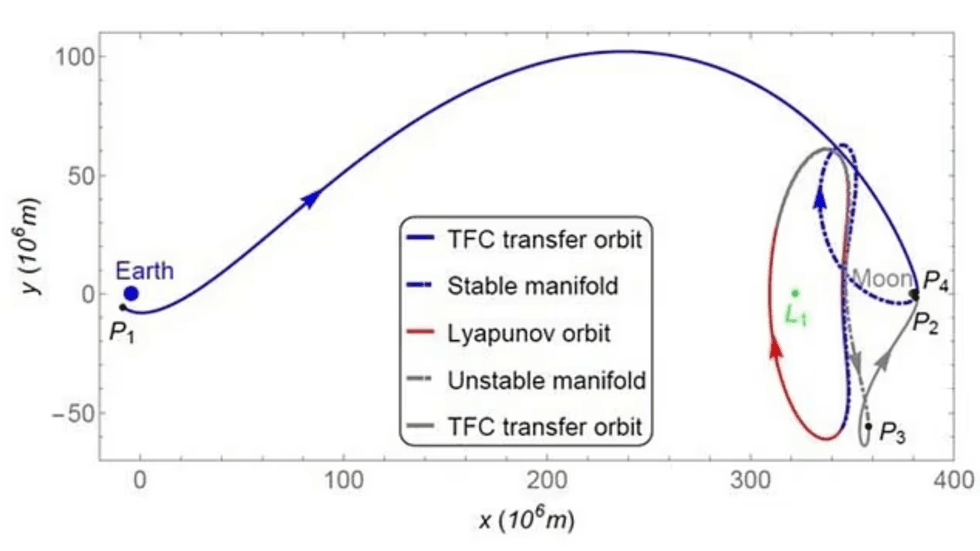
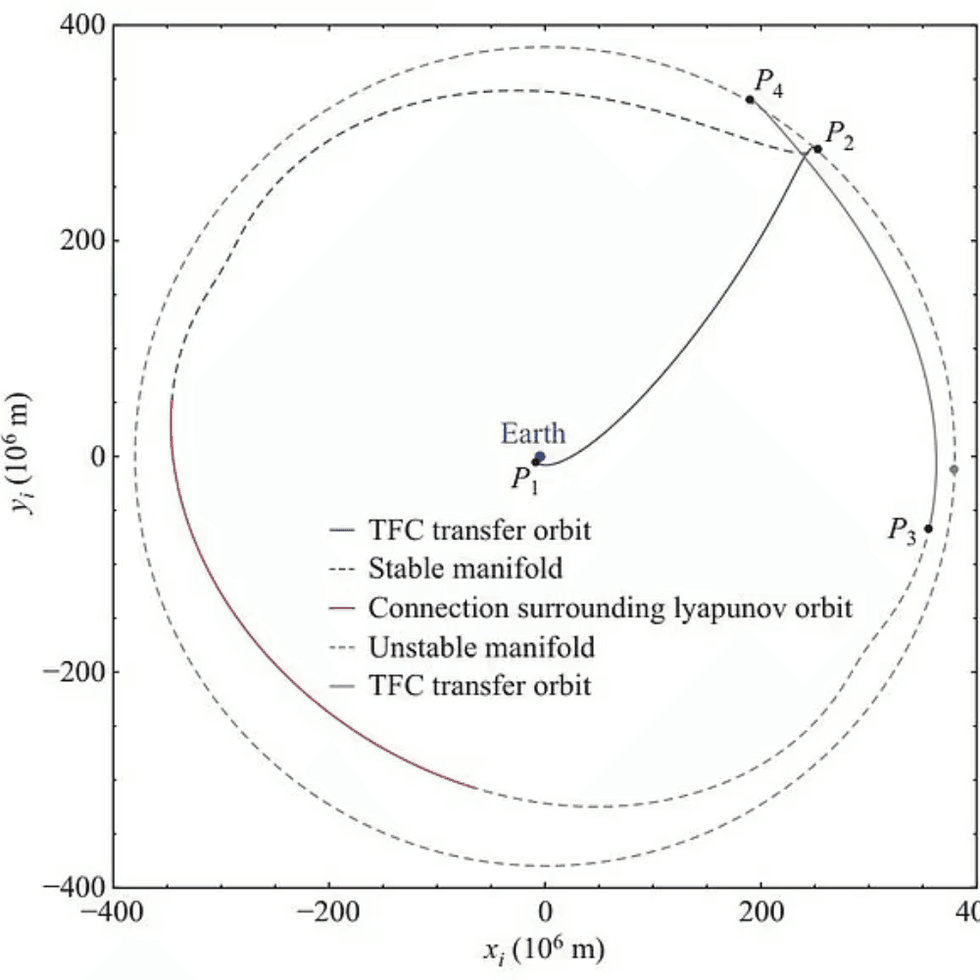
The research team employed a technique called "the theory of functional connections" to analyse vast numbers of potential routes to the moon, ultimately pinpointing trajectories that pass through Lagrange Point L1.
These Lagrange Points are locations in space where the gravitational forces from Earth, the moon, and the sun balance, allowing spacecraft to remain stationary without burning additional fuel.
TRENDINGStoriesVideosYour SayDr Allan Kardec de Almeida Júnior, of the University of Coimbra, who led the study, said: "When it comes to space travel, every meter per second equates to a massive amount of fuel consumption."
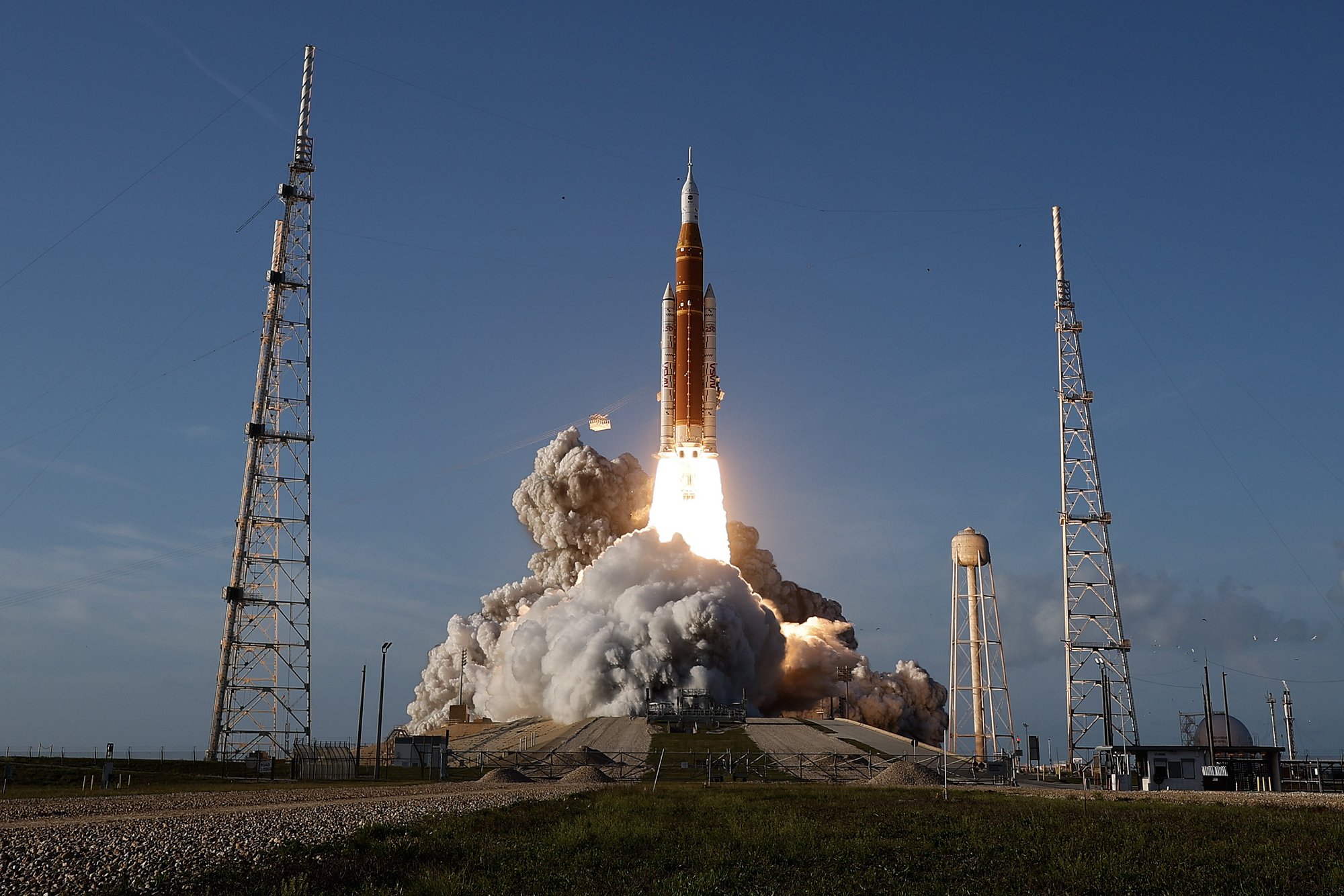
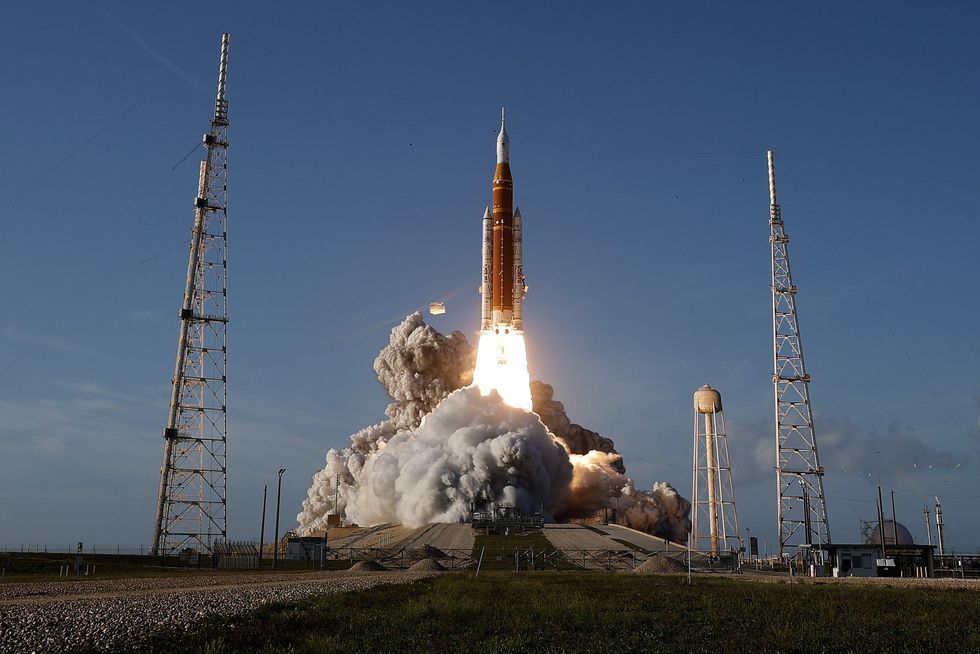
The discovery could prove transformative, given Nasa's Space Launch System rocket consumes over two million litres of propellant, costing approximately £2.8billion per launch.
To identify the optimal route, Dr Almeida Júnior and his colleagues ran simulations covering 30 million distinct trajectories to the lunar surface.
Their findings challenged conventional thinking about the best approach to L1 orbits.
Previous wisdom suggested spacecraft should enter these natural orbital paths from points nearest to Earth.
However, the research revealed that approaching from the side closer to the moon actually proves more efficient.
This counterintuitive route delivers fuel savings of 58.8 metres per second compared to the previously identified most efficient paths.
Co-author Dr Vitor Martins de Oliveira, from the University of São Paulo, said: "Instead of assuming it's easier to choose the part of the variate closest to Earth, we can use systematic analysis with faster methods to try to find nontrivial solutions."
LATEST DEVELOPMENTS
- Archaeologists stunned as ancient civilisation reveals itself below Nasa's Artemis II launch site
- NASA logs record-breaking solar burst as scientists forecast dangerous space weather events
- NASA rover stuns in new selfie from Mars with sweeping backdrop of red planet
Beyond fuel savings, the L1 orbit presents commercial possibilities, with Dr Almeida Júnior claiming the location could become a hub for both tourism and mining operations.
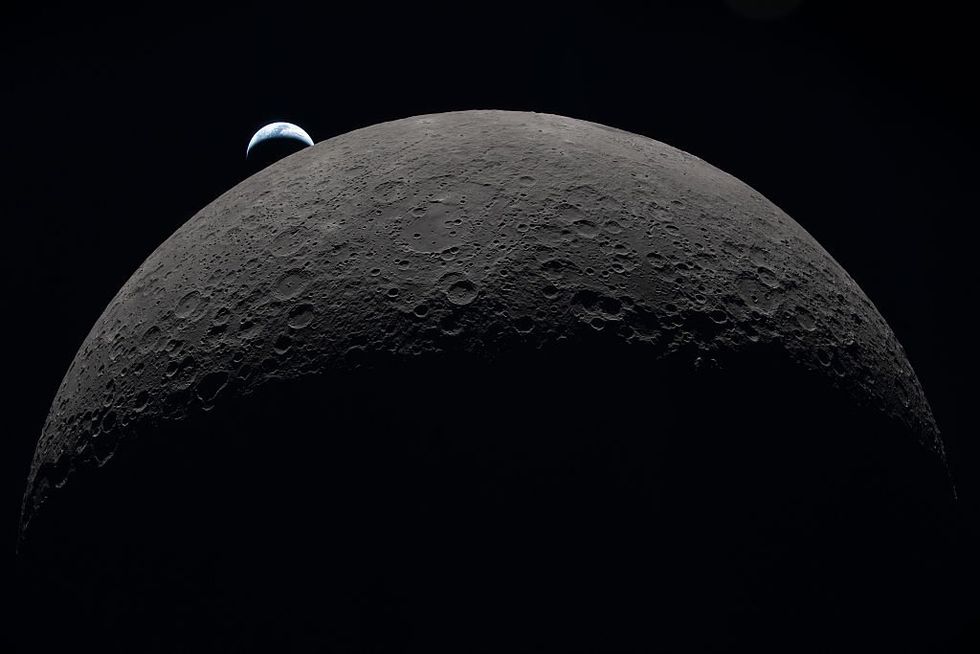
He said: "The strategy proposed in this paper involves orbits around L1, from where people could enjoy a unique perspective: the Earth and Moon can be seen at opposite sides of the ship!"
Spacecraft could remain in this orbital position in 13-day intervals, during which tourists could be exchanged via connections to Earth or the moon.
The route also solves a persistent communication challenge facing lunar missions.
Unlike trajectories that pass behind the moon, this path keeps spacecraft permanently visible from Earth.
Dr de Oliveira added: "The Artemis 2 mission, for example, lost communication with Earth for a while because it was directly behind the moon. The orbit we propose is a solution that maintains uninterrupted communication."
The researchers acknowledge their simulations accounted only for the gravitational forces of Earth and the moon, omitting the sun's influence entirely.
Incorporating solar gravity could yield even more efficient orbital paths, though this would constrain when missions could launch.
Dr Almeida Júnior said: "It'd be necessary to run the simulation for a specific position of the Sun. For example, if we simulate the mission's launch date as December 23, we'll obtain results valid only for a mission launched on that date."
The practical fuel savings would vary considerably based on spacecraft size, propellant type, engine efficiency and cargo weight.
Larger vessels stand to benefit most, with heavier craft achieving proportionally greater reductions in fuel volume.
A fully laden SpaceX Starship carrying up to 100 tonnes could free substantial propellant capacity through minor route adjustments.
Our Standards: The GB News Editorial Charter
ملاحظة تحريرية | Editorial Note: نُشر هذا المقال في الأصل بواسطة GB News. خبر (Khabr) هي منصة إعلامية أردنية مرخّصة تعمل بالذكاء الاصطناعي. نضيف قيمة تحريرية من خلال: تحليل ذكي للأخبار، ملخصات تلقائية، رواية صوتية بالذكاء الاصطناعي، ترجمة متعددة اللغات، وتدقيق الحقائق. هدفنا جعل الأخبار أكثر وضوحاً وسهولةً للقارئ العربي.
This article was originally published by GB News. Khabr is a licensed Jordanian AI-powered news platform (Registration #82086). We add editorial value through: AI-powered news analysis, automated summaries, AI audio narration, multi-language translation (Arabic, English, French, Turkish), and AI fact-checking. Our mission is to make news more accessible and understandable for Arabic-speaking audiences worldwide.