Saudi-led rail project to link Turkey to the Gulf revives historic Hejaz route
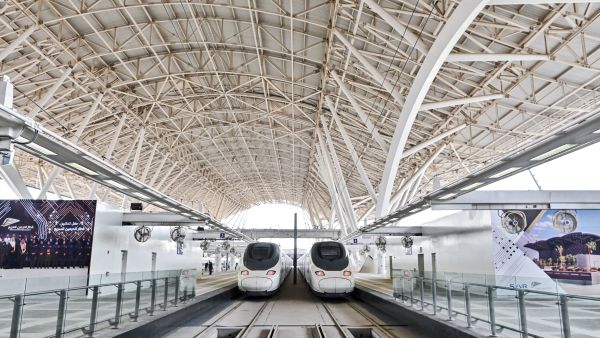
المصدر: البوابة | Source: البوابةALBAWABA- Saudi Arabia is advancing plans for a major transnational railway linking Turkey with the Gulf, in a project that would pass through Syria and Jordan before extending into Saudi Arabia and potentially onward to Oman.
The initiative, currently under feasibility study, is expected to be finalized by the end of the year, according to Saudi Transport and Logistics Minister Saleh Al-Jasser in a statement with Al-Arabiya.
The proposed corridor carries both economic and historical significance, effectively reviving the legacy of the Hejaz Railway, which once connected Istanbul to the Arabian Peninsula. Today, the modern version is envisioned as a backbone for regional integration, facilitating trade flows, reducing transport costs, and establishing a more sustainable land-based logistics network across a geopolitically evolving Middle East.
Al-Jasser emphasized that Saudi Arabia’s existing rail infrastructure already reaches the Jordanian border via the Al-Haditha crossing, positioning the Kingdom as a central hub for future expansion.
The railway project aligns with Riyadh’s broader strategy to strengthen supply chain resilience and diversify transport routes amid ongoing disruptions in maritime corridors.
This vision is reinforced by the Kingdom’s recently launched Logistics Corridors initiative at Jeddah Islamic Port, aimed at ensuring uninterrupted trade across the Red Sea and the Arabian Gulf.
Saudi authorities say the country’s ports and inland corridors now operate in an integrated system, supported by flexible routing between coasts and significant container-handling capacity exceeding one million units annually.
Beyond economics, the railway underscores a broader geopolitical shift. By physically linking Turkey to the Gulf, the project reflects Ankara’s expanding influence in regional connectivity and infrastructure, while signaling a pragmatic realignment among key Middle Eastern states.
As trade routes are redrawn and alliances evolve, the proposed rail network stands as both a revival of history and a marker of a new regional order driven by interdependence, mobility, and strategic cooperation.
ملاحظة تحريرية | Editorial Note: نُشر هذا المقال في الأصل بواسطة البوابة. خبر (Khabr) هي منصة إعلامية أردنية مرخّصة تعمل بالذكاء الاصطناعي. نضيف قيمة تحريرية من خلال: تحليل ذكي للأخبار، ملخصات تلقائية، رواية صوتية بالذكاء الاصطناعي، ترجمة متعددة اللغات، وتدقيق الحقائق. هدفنا جعل الأخبار أكثر وضوحاً وسهولةً للقارئ العربي.
This article was originally published by البوابة. Khabr is a licensed Jordanian AI-powered news platform (Registration #82086). We add editorial value through: AI-powered news analysis, automated summaries, AI audio narration, multi-language translation (Arabic, English, French, Turkish), and AI fact-checking. Our mission is to make news more accessible and understandable for Arabic-speaking audiences worldwide.