Roomba creator unveils furry AI robot built for companionship
•Dubai: More than 20 years after helping bring robot vacuums into millions of homes, Roomba co-founder Colin Angle is returning with a very different vision for home robotics — one built around compani...
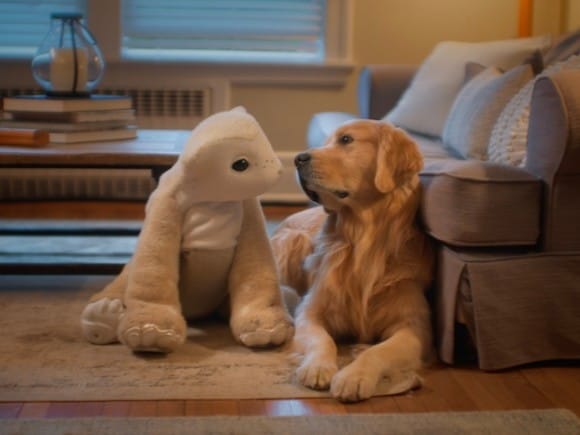
•Unlike traditional home robots built to vacuum floors, patrol rooms or answer spoken commands, Familiar is designed as a physical companion.
•Roughly the size of a medium dog, the robot combines animal-like movements, expressive eyes, subtle gestures and sound cues to create what its makers describe as a more natural emotional connection wi...
هذا الخبر من Gulf News. خبر يقدم أدوات ذكاء اصطناعي للتلخيص والترجمة والاستماع.
المصدر: Gulf News | Source: Gulf NewsDubai: More than 20 years after helping bring robot vacuums into millions of homes, Roomba co-founder Colin Angle is returning with a very different vision for home robotics — one built around companionship rather than chores.
Angle has launched a new startup, Familiar Machines & Magic, unveiling its first consumer robot, called Familiar — a soft, furry, AI-powered machine designed to interact emotionally with people inside the home, according to reporting by The Verge.
Get updated faster and for FREE: Download the Gulf News app now - simply click here.Unlike traditional home robots built to vacuum floors, patrol rooms or answer spoken commands, Familiar is designed as a physical companion. Roughly the size of a medium dog, the robot combines animal-like movements, expressive eyes, subtle gestures and sound cues to create what its makers describe as a more natural emotional connection with users.
The robot does not speak. Instead, it communicates through movement, posture and behavior — responding to tone, touch and environmental cues using on-device artificial intelligence.
That approach reflects a wider shift in robotics.
While companies such as Amazon have experimented with home robots like Astro, and AI assistants are becoming more conversational, Familiar aims for a different role: companionship, comfort and everyday presence in the home rather than task-based assistance.
The company says most of the robot’s processing happens locally on the device using advanced AI hardware, reducing dependence on cloud systems and limiting personal data transmission — a growing concern as connected devices become more deeply embedded in daily life.
The launch also comes at a time when the global robotics market is expanding beyond industrial and utility-focused machines into emotionally responsive consumer devices, from companion robots for children to support systems for older adults.
For Angle, whose Roomba changed how households think about automation, the next frontier appears less about what robots can do — and more about how they can connect.
If the first generation of home robots cleaned the house, the next generation may be designed simply to be part of it.
ملاحظة تحريرية | Editorial Note: نُشر هذا المقال في الأصل بواسطة Gulf News. خبر (Khabr) هي منصة إعلامية أردنية مرخّصة تعمل بالذكاء الاصطناعي. نضيف قيمة تحريرية من خلال: تحليل ذكي للأخبار، ملخصات تلقائية، رواية صوتية بالذكاء الاصطناعي، ترجمة متعددة اللغات، وتدقيق الحقائق. هدفنا جعل الأخبار أكثر وضوحاً وسهولةً للقارئ العربي.
This article was originally published by Gulf News. Khabr is a licensed Jordanian AI-powered news platform (Registration #82086). We add editorial value through: AI-powered news analysis, automated summaries, AI audio narration, multi-language translation (Arabic, English, French, Turkish), and AI fact-checking. Our mission is to make news more accessible and understandable for Arabic-speaking audiences worldwide.