Rabat – Fuel prices are a crucial component in the daily lives of Moroccans, affecting everything from daily commutes to the livelihoods of transport workers. In recent weeks Morocco has seen a renewed surge in fuel prices, raising concern for transportation costs and inflation. The increase is a reflection of the ongoing war between US, Israel, and Iran that has left the global oil market volatile.
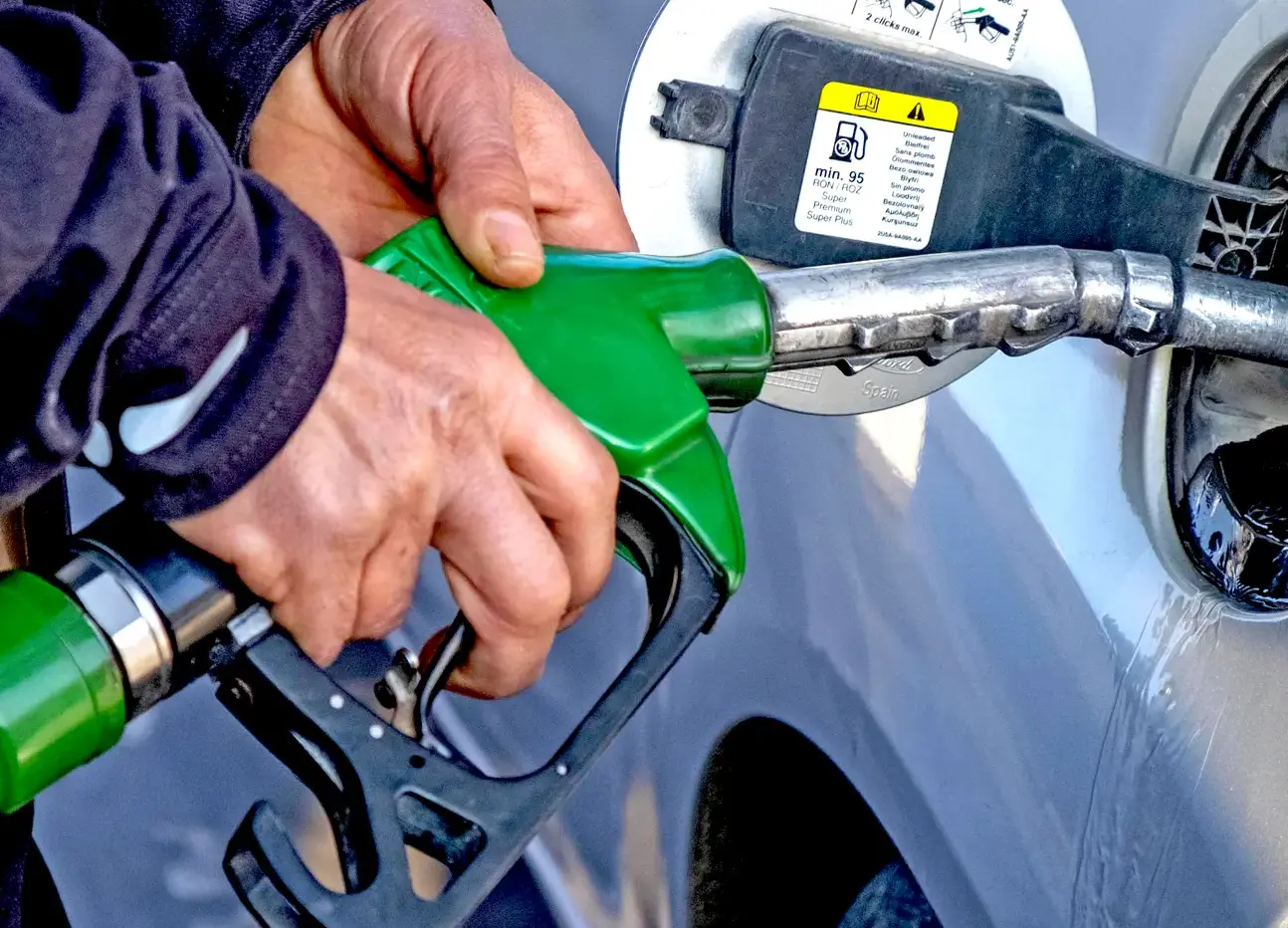
Fuel prices in Morocco rose sharply by mid-March, with a 13.9% increase from one month prior. Diesel prices climbed by around MAD 2 per liter and gasoline prices by roughly MAD 2.4. These hikes pushed prices close to MAD 13-14 per liter in many cities, levels not seen since the 2022 Russia-Ukraine conflict.
Heavy reliance on imports
Since the liberalization of fuel prices in Morocco in 2015, the country has relied heavily on imports, making domestic prices closely tied to the fluctuation of international markets, and price changes are rapidly reflected at the pump.
As global crude oil prices rise, reportedly reaching $120 a barrel, these increases have quickly translated into higher retail fuel prices across the country. Continued tensions within major supply routes have led to speculation that fuel prices could approach MAD 18 per liter.
The economic impact is already being felt across multiple sectors. Transportation costs for goods and passengers continue to increase, placing additional strain on travel costs. Higher fuel prices are also putting pressure on household purchasing power, as everyday expenses rise. Additionally, small businesses, particularly those that rely on transportation delivery, are now also facing higher operating expenses.
These developments have raised concerns that further fuel price increases could push broader inflation across Morocco’s economy. According to projections from the International Monetary Fund, average inflation is anticipated to reach about 2% over the medium term.
The Moroccan government is taking steps to help mitigate the impact, including launching aid programs for transportation professionals currently affected. Beneficiaries eligible for the aid scheme include goods transport, private and public passenger transport, small taxis, large taxis, mixed transport, passenger transport coaches, and tourist transport professionals.
Amid the crisis, political and trade unions are demanding the activation of a temporary price cap and the cancellation of import taxes to ease pressure on consumers.
With continued geopolitical uncertainty, analysts warn that prices may continue to fluctuate in the coming weeks. If global oil markets seem to worsen, Morocco may see further increases in prices, particularly in diesel prices, which would have broader implications for overall economic stability.
The post Rising Fuel Costs Put Pressure on Morocco’s Economy appeared first on Morocco World News.