⚡ عاجل: كريستيانو رونالدو يُتوّج كأفضل لاعب كرة قدم في العالم●⚡ أخبار عاجلة تتابعونها لحظة بلحظة على خبر●⚡ تابعوا آخر المستجدات والأحداث من حول العالم●
AI اقتراحات ذكية
AI مباشر|--مشاهد مباشر
882,782مقال404مصدر نشط228قناة مباشرة3,859خبر اليوم
آخر تحديث:منذ 4 ثواني
'Reached office early more than once': Hessa St upgrades make residents' commute easier
What was once a stretch that routinely showed red on Google Maps, even in early mornings, noon and after 10pm, is now appearing more green along parts of Dubai's Hessa Street, including during peak hours.
So what has changed?
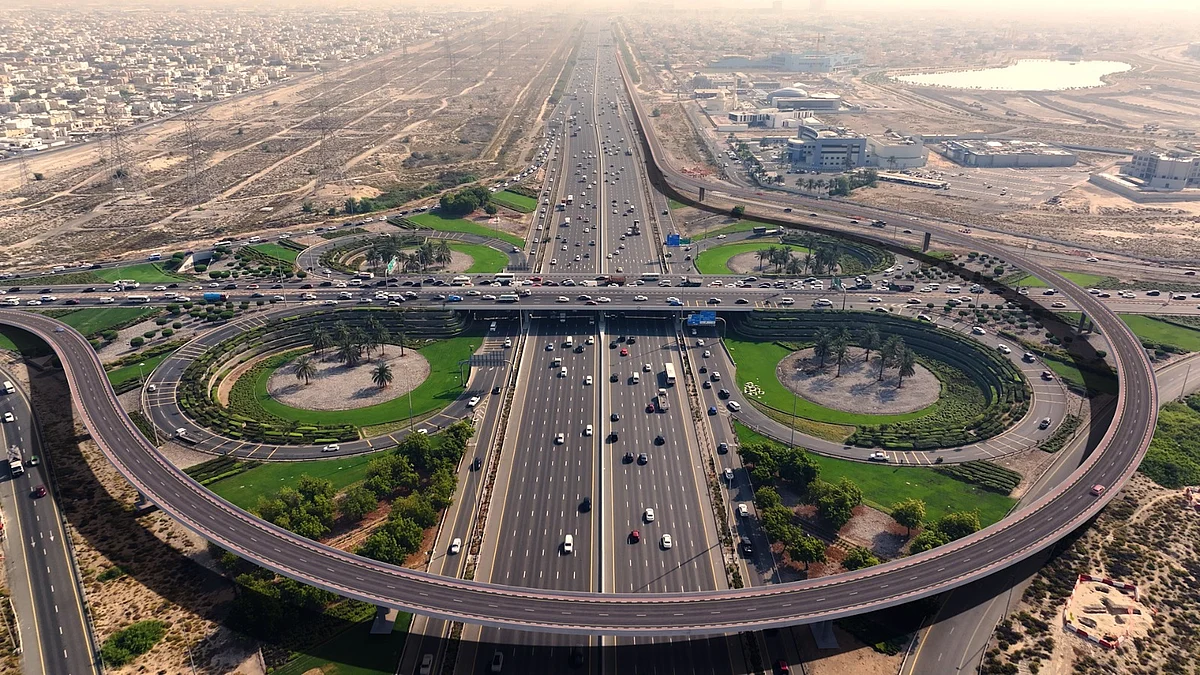
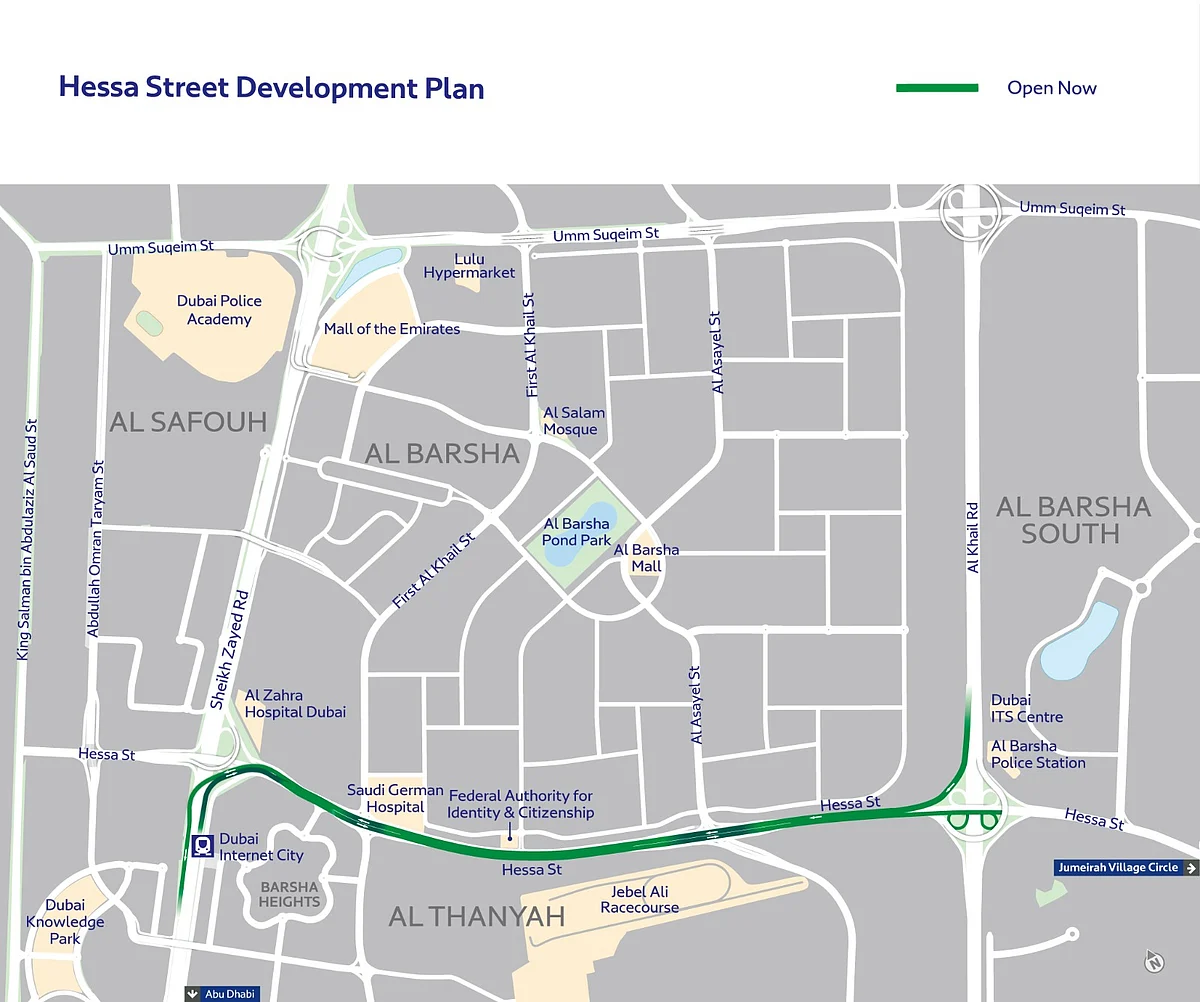
A major part of the answer lies in the road itself. Dubai's Roads and Transport Authority (RTA) has completed the 4.5-kilometre Hessa Street development between Sheikh Zayed Road and Al Khail Road, widening the road from two lanes to four in each direction, while adding flyovers, ramps and upgrades at key intersections.
According to RTA, travel time on the corridor has dropped from 15 minutes to four minutes, while capacity has doubled from 8,000 to 16,000 vehicles per hour.
But motorists said the changes were not felt only after the official opening but said relief came in phases, as parts of the project opened and bottlenecks started easing during the upgrade. For some, the first signs were visible when queues from Al Khail Road began shortening, while others felt signals started clearing faster, and Google Maps began showing lower travel times.
What do Google Maps patterns show?
According to Khaleej Times analysis of Google Maps traffic patterns, Hessa Street around 5pm, a time when the road would often show long stretches of red, showed moving traffic, with green dominating and only some yellow and red slowdowns near a few junctions. A similar pattern was seen at 4.55pm, 6.50pm and even around 8.25pm, while traffic between 8am and 10am also showed movement across much of the corridor, suggesting traffic was moving through large parts of Hessa Street instead of prolonged congestion.
Shorter estimated travel times
For Mohammed Farhan, a realtor who drives from Barsha Heights to Motor City, the difference has been visible and practical. Before improvements began showing, he used to leave home around 7.30am to avoid getting stuck, with the commute often taking 35 to 50 minutes. Now, he often leaves around 8am and reaches in about 20 to 25 minutes.
“The early construction phase actually made traffic worse, with some journeys adding 20 to 25 extra minutes. But midway through the works, I noticed vehicle movement was faster at different timings,” said Farhan.
“The straight stretches that once had crawling congestion began moving steadily, even when traffic was heavy. I realised something had changed when I reached office nearly 20 minutes early more than once,” added Farhan.
Abdel Aleem, an Egyptian insurance executive living in JVC and working in Barsha Heights, said he had a similar experience. “My commute stretched close to an hour before improvements began to show. Now it takes around 20 to 25 minutes in peak traffic,”
What convinced him the changes were real was not just what he saw on the road, “but what I saw on my phone. Estimated travel times on Google Maps dropped from around 40 minutes to about 25 minutes,” he said.
What did motorists notice first?
Residents said that it was not one dramatic shift, but several smaller changes that added up. Long red stretches on maps began breaking up. Signals that once took multiple cycles started clearing sooner. Queues spilling back while arriving from Al Khail Road began easing. Some motorists said that one change has been spending less time sitting in traffic with engines idling.
Rustam Karimov, an Uzbek restaurant manager who lives in Dubai Sports City and works in Dubai Marina, said he used to keep checking alternate routes before leaving home, with the drive often taking 45 minutes. “I often reach my workplace in about 25 to 35 minutes. The biggest sign of improvement is no longer feeling the need to keep searching for another route before leaving home,” said Karimov.
Is Hessa congestion fully over?
Residents think that it may be too early to make that call. Some slow-moving stretches can still appear during peak periods, especially around busy junctions, and several motorists said the real test will be whether the gains hold when traffic volumes rise further.
ملاحظة تحريرية | Editorial Note:
نُشر هذا المقال في الأصل بواسطة Khaleej Times.
خبر (Khabr) هي منصة إعلامية أردنية مرخّصة تعمل بالذكاء الاصطناعي.
نضيف قيمة تحريرية من خلال: تحليل ذكي للأخبار، ملخصات تلقائية، رواية صوتية بالذكاء الاصطناعي، ترجمة متعددة اللغات، وتدقيق الحقائق.
هدفنا جعل الأخبار أكثر وضوحاً وسهولةً للقارئ العربي.
This article was originally published by Khaleej Times.
Khabr is a licensed Jordanian AI-powered news platform (Registration #82086).
We add editorial value through: AI-powered news analysis, automated summaries, AI audio narration, multi-language translation (Arabic, English, French, Turkish), and AI fact-checking.
Our mission is to make news more accessible and understandable for Arabic-speaking audiences worldwide.
هذا الخبر ضمن تغطية خبر لقسم أخبار محلية.
نقدّم لك تحليلات ذكية وملخصات يومية لأهم الأخبار من مصادر موثوقة متعددة.
المصدر: Khaleej Times.
يوجد 6 مقالات مرتبطة بهذا الموضوع.
This article is part of Khabr's coverage of Local News.
We provide AI-powered analysis, summaries, and multi-source aggregation to keep you informed.
Source: Khaleej Times.
Tags: commute, infrastructure, residents.
🍪 نستخدم ملفات تعريف الارتباط لتحسين تجربتك وعرض الإعلانات المخصصة. باستخدامك للموقع، فإنك توافق على سياسة ملفات تعريف الارتباط وسياسة الخصوصية.
We use cookies to enhance your experience and show personalized ads. By using this site, you agree to our Cookie Policy and Privacy Policy.
🔍
FREEFree 1GB Internet + Free International Calls
$1 trial — eSIM in 190+ countries — No roaming charges