⚡ عاجل: كريستيانو رونالدو يُتوّج كأفضل لاعب كرة قدم في العالم●⚡ أخبار عاجلة تتابعونها لحظة بلحظة على خبر●⚡ تابعوا آخر المستجدات والأحداث من حول العالم●
AI اقتراحات ذكية
AI مباشر|--مشاهد مباشر
846,546مقال404مصدر نشط224قناة مباشرة4,740خبر اليوم
AS summer approaches, households and industries across the country are again facing prolonged power outages as night-time electricity demand, driven by cooling needs, far exceeds the available supply. To contain the power shortages, the government is running its costly furnace oil-based power plants at full capacity and delaying maintenance of its nuclear facilities.
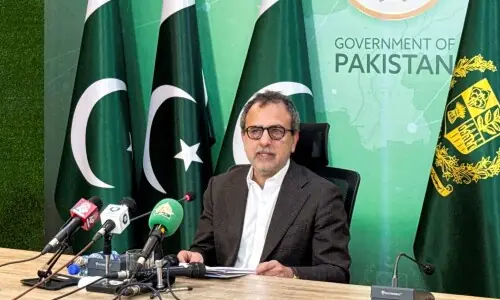
The Middle East crisis and LNG supply disruptions are chiefly to blame for the shortage, which has been exacerbated by reduced hydropower availability as rainfall and lower irrigation demand have limited the release of water from reservoirs. The power minister says that LNG-fired plants, with an approximate capacity of 6,000 MW, are producing only around 500 MW due to gas shortages, while hydropower output has fallen to about 1,600 MW — roughly half the level of last April.
With Qatar declaring force majeure after nearly 17pc of its gas production went offline last month, following Iran’s missile strikes on its gas fields, prolonged power outages were anticipated once summer kicked in. The petroleum minister says the country intends to purchase expensive spot LNG cargoes to offset the supply crunch from Qatar, but the move will strain the finances of both government and consumers.
Most urban areas have been experiencing forced load-shedding of up to six hours a day as the night-time peak supply gap widens to nearly 4,000 MW. Experts warn that outages are likely to lengthen further, with peak night-time demand surging from 20,000 MW to 28,000-30,000 MW. Consumers may also see their monthly power bills spike. The current crisis has once again underscored the structural vulnerability of our power sector to external geopolitical shocks as a result of its heavy reliance on imported fossil fuels. Frequent price volatility in global energy markets, compounded this time by supply disruptions, demonstrates the need to shift towards solar energy as a viable medium- to long-term solution to Pakistan’s energy woes.
That said, without rapid and large-scale adoption of battery storage solutions, such a transition will only worsen structural weaknesses. Even though rooftop solar has added an estimated 18,000 MW in the last eight years, it has cut daytime grid demand and shifted shortages to evening peaks when solar generation falls and LNG-fired plants are needed. The transition must then be complemented by large-scale adoption of battery storage systems.
However, this is easier said than done. While the predictable long-term savings and broader economic benefits of solar power are attractive to households, farmers and businesses facing high tariffs and unreliable grid supply, the adoption of battery storage systems is far less straightforward, chiefly due to high upfront costs. The government could facilitate the adoption of battery storage systems by providing access to cheaper financing and removing taxes on imports of the technology.
ملاحظة تحريرية | Editorial Note:
نُشر هذا المقال في الأصل بواسطة Dawn.
خبر (Khabr) هي منصة إعلامية أردنية مرخّصة تعمل بالذكاء الاصطناعي.
نضيف قيمة تحريرية من خلال: تحليل ذكي للأخبار، ملخصات تلقائية، رواية صوتية بالذكاء الاصطناعي، ترجمة متعددة اللغات، وتدقيق الحقائق.
هدفنا جعل الأخبار أكثر وضوحاً وسهولةً للقارئ العربي.
This article was originally published by Dawn.
Khabr is a licensed Jordanian AI-powered news platform (Registration #82086).
We add editorial value through: AI-powered news analysis, automated summaries, AI audio narration, multi-language translation (Arabic, English, French, Turkish), and AI fact-checking.
Our mission is to make news more accessible and understandable for Arabic-speaking audiences worldwide.
هذا الخبر ضمن تغطية خبر لقسم أخبار محلية.
نقدّم لك تحليلات ذكية وملخصات يومية لأهم الأخبار من مصادر موثوقة متعددة.
المصدر: Dawn.
يوجد 6 مقالات مرتبطة بهذا الموضوع.
This article is part of Khabr's coverage of Local News.
We provide AI-powered analysis, summaries, and multi-source aggregation to keep you informed.
Source: Dawn.
Tags: power outages, infrastructure, utilities.
🍪 نستخدم ملفات تعريف الارتباط لتحسين تجربتك وعرض الإعلانات المخصصة. باستخدامك للموقع، فإنك توافق على سياسة ملفات تعريف الارتباط وسياسة الخصوصية.
We use cookies to enhance your experience and show personalized ads. By using this site, you agree to our Cookie Policy and Privacy Policy.
FREEFree 1GB Internet + Free International Calls
$1 trial — eSIM in 190+ countries — No roaming charges