Poisoned cop’s kid begged soldiers not to destroy their home in heart-wrenching note
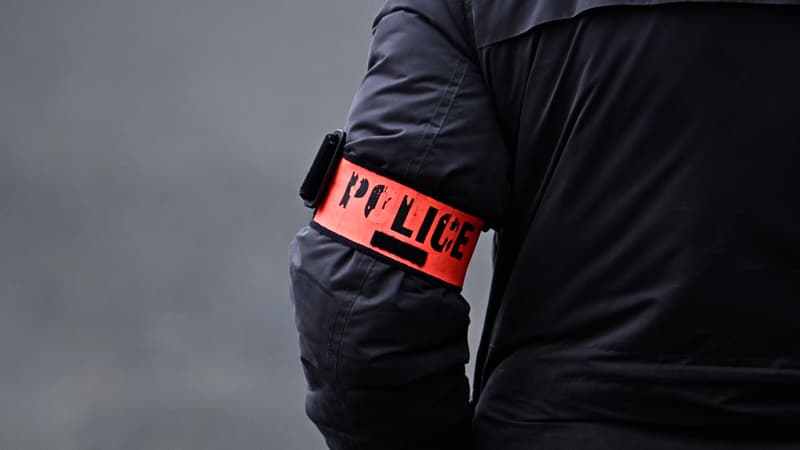
The child of a police officer almost killed in the Salisbury poisonings pleaded with chemical warfare experts not to destroy their home, an RAF captain has revealed. Jason ‘Chez’ Davies, who ran the huge clean up operation in the wake of the 2018 Russian attack , described having to take Nick Bailey's house apart after the sergeant came into contact with a deadly nerve agent. Gp Cpt Davies' team removed the roof and stripped the walls back to the brickwork to ensure no novichok remained. Nick's family lost all of their possessions as the RAF unit specialising in defending chemical warfare attacks were deployed to the Wiltshire town. Gp Cpt Davies said that during the decontamination work his unit found a note from one of the officer's children in their bedroom asking if they "could leave the house as we found it". Speaking to the Daily Mirror prior to his appearance in the forthcoming Channel 4 documentary, Salisbury Poisonings: The Untold Story, he said: "That's something that I was not prepared for. It's when you go home, it's when you look afterwards at what contamination could have been like in that room. "Nick went to work that day and never would he have thought that he could have had that effect on his family and it's not until you come back and you sit somewhere quiet that you go that's what conflict can do when it's brought into a town, city or a home place. "That's how it reaches out and impacts on families and children and that after thought is one that I don't think anyone can prepare you for. I'm now a grandfather and just thinking about that how that would make me feel, it's something that is lasting and I never expected it to be. I never expected to face it as a challenge. It's something that really hits home. That is the impact of using that style of agent, the second order effect is it can have an impact on children and that's horrible." The three-part Channel 4 series tells the story of the poisoning of former Russian double agent Sergei Skripal and his daughter Yulia using novichok, one of the most toxic substances ever created. Det Sgt Bailey and two Wiltshire Police colleagues were sent to Mr Skripal's home in March 2018, after the Russian nationals were found seriously ill on a bench in Salisbury. The officer was contaminated when he touched the door handle of the home in the city. Just months later, Dawn Sturgess, a British mother of three, tragically died after accidentally coming into contact with the same poison. Gp Cpt Davies headed 1,200 troops from the Joint Chemical, Biological, Radiological and Nuclear Task Force as they spent almost a year decontaminating a number of locations around Salisbury. Along with Nick's house they had to clear out and clean a pub, restaurant and large police station, burning items and removing others in shipping containers. Gp Cpt Davies said: "Because of the sheer size and scale of the task in question we brought in military from across the United Kingdom . We need to find the Novichok, stop it from spreading and decontaminate to protect the civilian population and I need to protect my people from the most toxic chemical agent they've ever faced. "We all need to deal with a threat that will enter a human's body through touching, it will enter through the skin." Detective Inspector Ben Mant of Wiltshire Police tells the programme he still feels "a responsibility for what happened" after making the decision to search the Skripals’ home with Sergeant Nick Bailey who nearly died. Mr Mant said: "When we got to the front door Nick and I were stood next to each other and I asked Nick to check the handle so he gave it a good yank. As the day went on Nick became increasingly poorly and started to hallucinate and ended up in intensive care. We didn't know whether or not he was going to survive." Mr Bailey came to a financial settlement with Wiltshire Police after suing them over the incident. Salisbury Poisonings: The Untold Story - Wednesday April 29, 9pm Channel 4المصدر: Mirror | Source: Mirror
ملاحظة تحريرية | Editorial Note: نُشر هذا المقال في الأصل بواسطة Mirror. خبر (Khabr) هي منصة إعلامية أردنية مرخّصة تعمل بالذكاء الاصطناعي. نضيف قيمة تحريرية من خلال: تحليل ذكي للأخبار، ملخصات تلقائية، رواية صوتية بالذكاء الاصطناعي، ترجمة متعددة اللغات، وتدقيق الحقائق. هدفنا جعل الأخبار أكثر وضوحاً وسهولةً للقارئ العربي.
This article was originally published by Mirror. Khabr is a licensed Jordanian AI-powered news platform (Registration #82086). We add editorial value through: AI-powered news analysis, automated summaries, AI audio narration, multi-language translation (Arabic, English, French, Turkish), and AI fact-checking. Our mission is to make news more accessible and understandable for Arabic-speaking audiences worldwide.