• Warns AHPC Act enables ‘legalised quackery’; says unsupervised practice risks patient safety
• Slams govt for ignoring medical stakeholders
ISLAMABAD: The Pakistan Medical Association (PMA) has expressed alarm over the government’s enforcement of the Allied Health Professionals Council (AHPC) Act, warning that it creates a dangerous legal loophole by allowing technicians to operate independently, effectively legitimising what it considers unauthorised medical practice.
As the June 30 registration deadline looms, the PMA, a representative body of the medical fraternity, said that enforcement of the AHPC Act threatens to undo years of progress in curbing quackery. It has demanded that the government suspend the deadline immediately.
The PMA highlighted what it calls a critical legal contradiction, noting that while provincial healthcare commissions were established to restrict clinical practice to qualified doctors, the new act now offers a legal shield for technicians to work without their supervision.
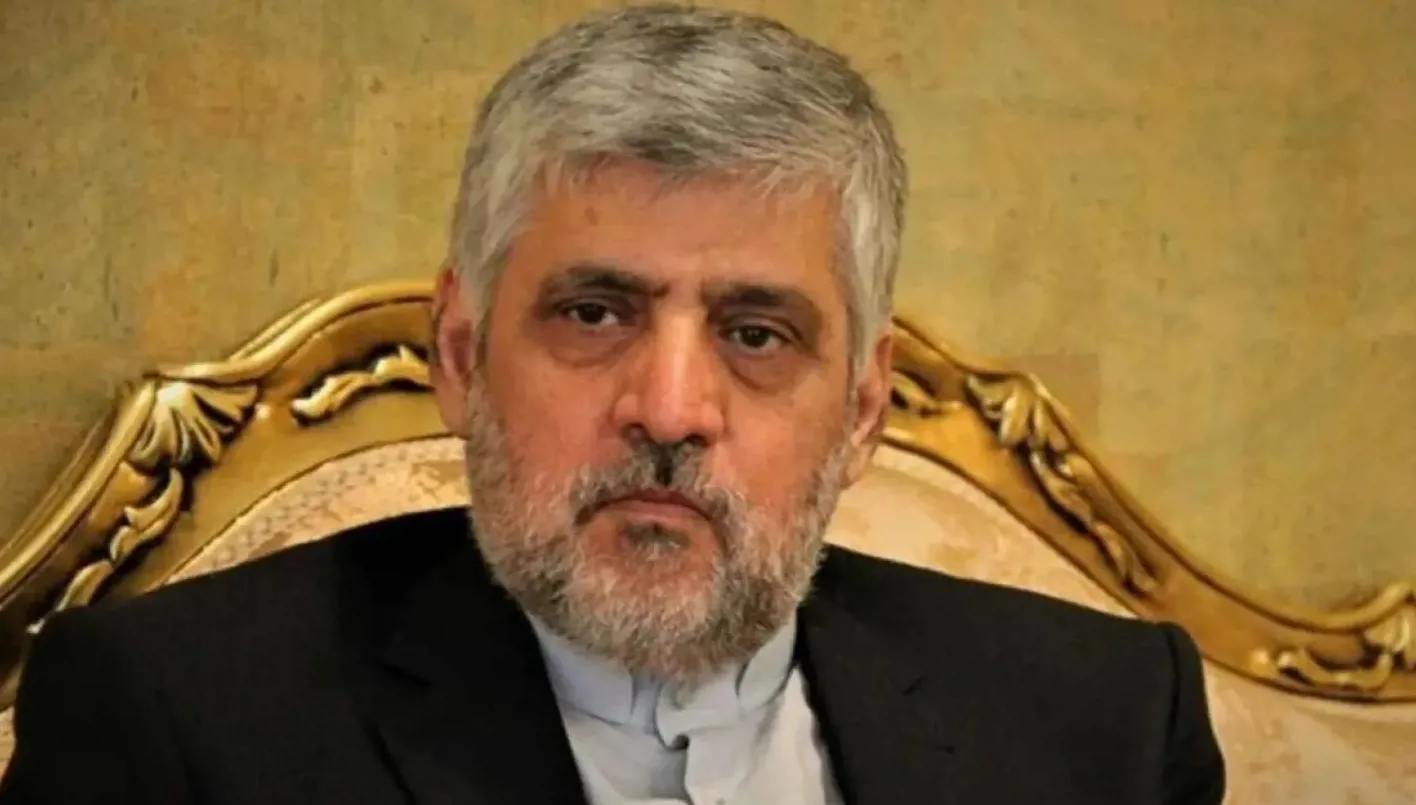
“It is a bitter irony. On one hand, the Healthcare Commission Acts were designed to stop technicians from overstepping their roles,” Secretary General PMA Dr Abdul Ghafoor Shoro said. “Now, this new Act provides those same individuals with a legal shield to open clinics and perform procedures under the official ambit of the law. This is nothing short of legalised quackery.”
The organisation condemned the government for moving forward with the registration and accreditation process without consulting physicians and medical specialists.
“The Act was finalised and is being enforced without meaningful consultation with the PMA or the PMDC, leading to a flawed framework that ignores the clinical hierarchy,” Dr Shoro said.
He argued that granting independent registration encourages technicians and therapists to operate autonomous clinics, a move that “bypasses the essential supervision of medical doctors and endangers patient lives”.
While the PMA maintains that allied health professionals are vital to the healthcare system, it insists they must remain supportive staff and not become independent practitioners.
The group demanded that the deadline be suspended until a joint committee of doctors and regulators can redefine the scope of practice for technicians. It also called for harmonising the new act with existing healthcare commission laws to ensure “no allied professional can open a private clinic for independent medical treatment”.
“The PMA will not stand by while the standards of the medical profession are diluted,” Dr Shoro said. “We are prepared to take every necessary step to ensure that the health of the Pakistani public is not sacrificed for administrative expediency.”
Published in Dawn, April 14th, 2026