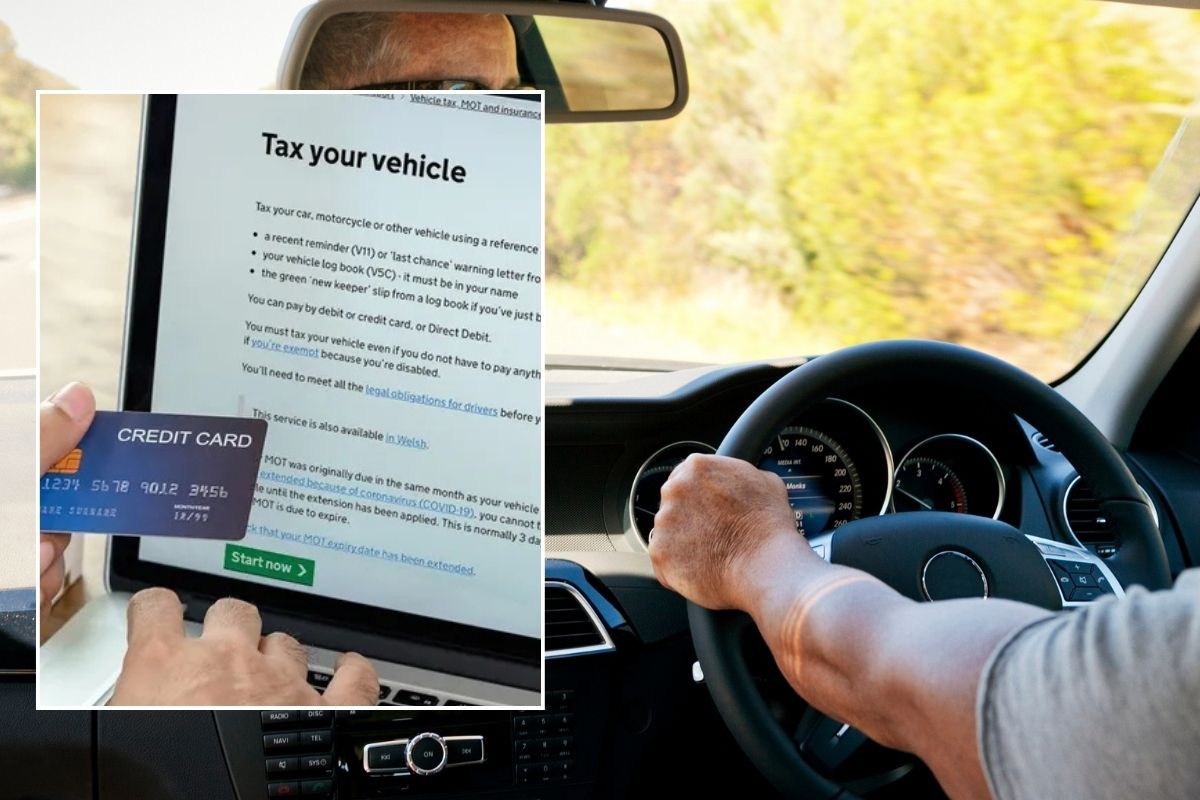
Motorists driving older petrol and diesel cars have been taken "off guard" by annual road tax bills of £170 under new rates announced this year.
The changes to Vehicle Excise Duty affect vehicles first registered between March 2001 and April 2017, with thousands of drivers potentially impacted by the updated tax bands.
VED amounts are calculated according to carbon dioxide emissions rather than vehicle age, a distinction that continues to surprise many car owners.
Andy Wood, a tax specialist at Tax Barrister UK, explained how drivers still assume road tax is calculated purely on the age of the vehicle, "but emissions remain one of the biggest factors in determining how much motorists pay."
However, the latest rates, which came into effect on April 1, have left some drivers facing unexpected costs as rule changes take effect.
The current system divides vehicles into 13 separate tax bands, with charges determined by how much CO2 a car produces.
Lower emission models attract smaller bills, while more polluting vehicles face steeper annual costs. Drivers whose cars fall within Band D, which covers emissions between 121 and 130 grams per kilometre, will be charged £170 each year.
The majority of motorists pay approximately £200 annually in road tax under the existing framework, which increases in line with inflation.
However, drivers who purchased vehicles with an original price tag exceeding £40,000 can expect considerably higher charges on top of standard rates.
Mr Wood noted: "Even relatively modest differences in CO output can place vehicles into entirely different tax bands, which can have a noticeable impact on annual running costs."
Changes introduced in 2025 scrapped the zero rate band that previously allowed drivers of cars emitting less than 100 grams of CO2 per kilometre to avoid paying any road tax.
Drivers of electric cars must now pay a minimum of £20 annually, marking a significant shift in policy. The alteration has taken many vehicle owners by surprise, particularly those who had grown accustomed to paying nothing whatsoever for their lower emission cars.
LATEST DEVELOPMENTS
- Rachel Reeves new Fuel Finder could cost petrol and diesel drivers £260 more despite 'cost-cutting' claims
- Jaguar finally unveils name for new electric car after controversial rebrand - 'One of a kind'
- New MOT test changes launching within weeks to impact thousands of drivers nationwide
Mr Wood explained: "The removal of the zero-rate band for cars emitting under 100g/km has caught some drivers off guard because many had become used to paying nothing at all.
"While £20 may not sound substantial on its own, it reflects a wider shift towards bringing more vehicles into the VED system regardless of emissions performance."
The tax expert highlighted widespread confusion among motorists about how their annual charges are determined. This misunderstanding can lead to unexpected financial burdens when purchasing or renewing taxes on older vehicles.
Small variations in carbon dioxide emissions can push cars into different tax categories, resulting in notable differences in annual expenses that catch owners off guard.
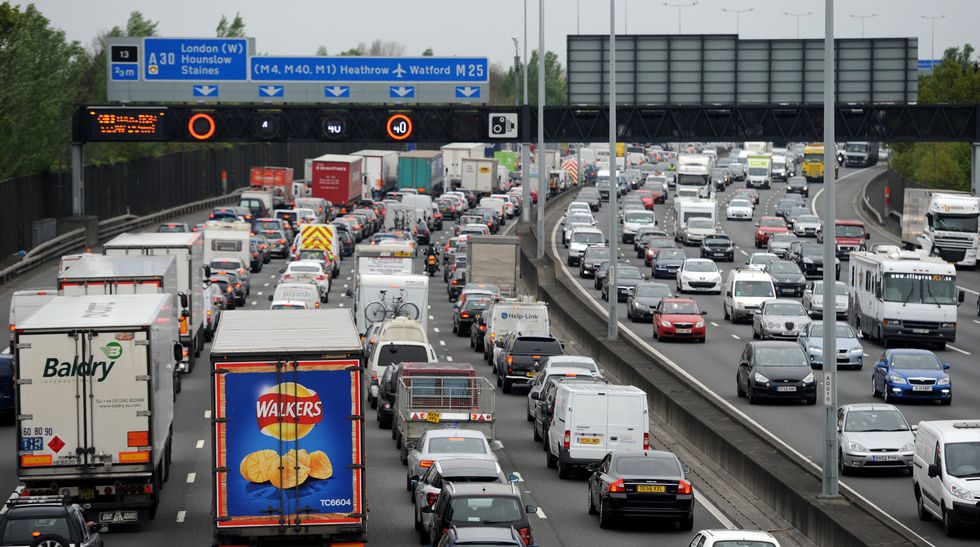
Motorists can settle their VED bills through the DVLA's online service using information from their V5C logbook, a reminder letter from the agency, or a new keeper supplement.
Payment options include settling the full amount annually, splitting it into six-monthly instalments, or spreading costs through monthly direct debit. However, additional fees may apply for those choosing instalment plans.
"It is always worth checking exactly which tax band a vehicle falls into before purchasing a used car, particularly as ongoing ownership costs can vary much more than people expect," Mr Wood urged.
The warning comes as thousands of drivers navigate the updated VED system, affecting older petrol and diesel models the hardest.
Our Standards: The GB News Editorial Charter