Peak of Eta Aquarid meteor shower to dazzle May skywatchers
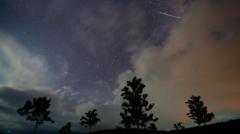
•Peak of Eta Aquarid meteor shower to dazzle May skywatchersImage source, Getty ImagesByBBC WeatherPublished2 May 20252 CommentsUpdated 1 hour agoStargazers are in for a treat as the Eta Aquarid meteor...
•It lasts for around three weeks between mid-April and the end of May.When and how can I see the Eta Aquarid shower?This year, the Eta Aquarid meteor shower is expected to be visible through to 28 May,...
•However, it will take around 15-20 minutes for your eyes to adapt, so be patient.What is the forecast?Image caption, Forecast for the early hours of Wednesday morningLarge areas of cloud will affect m...
هذا الخبر من BBC News. خبر يقدم أدوات ذكاء اصطناعي للتلخيص والترجمة والاستماع.
ملاحظة تحريرية | Editorial Note: نُشر هذا المقال في الأصل بواسطة BBC News. خبر (Khabr) هي منصة إعلامية أردنية مرخّصة تعمل بالذكاء الاصطناعي. نضيف قيمة تحريرية من خلال: تحليل ذكي للأخبار، ملخصات تلقائية، رواية صوتية بالذكاء الاصطناعي، ترجمة متعددة اللغات، وتدقيق الحقائق. هدفنا جعل الأخبار أكثر وضوحاً وسهولةً للقارئ العربي.
This article was originally published by BBC News. Khabr is a licensed Jordanian AI-powered news platform (Registration #82086). We add editorial value through: AI-powered news analysis, automated summaries, AI audio narration, multi-language translation (Arabic, English, French, Turkish), and AI fact-checking. Our mission is to make news more accessible and understandable for Arabic-speaking audiences worldwide.