Pakistan tightens security as another US–Iran talks in Islamabad looms
المصدر: Khaleej Times | Source: Khaleej Times[Editor's Note: Follow the Khaleej Times live blog for the latest regional developments with the US-Israel-Iran ceasefire now in effect.]
Pakistan has tightened security ahead of the reported second round of US–Iran talks in Islamabad, rolling out sweeping measures to safeguard visiting delegates, participants, and VIP guests, Khaleej Times has learned.
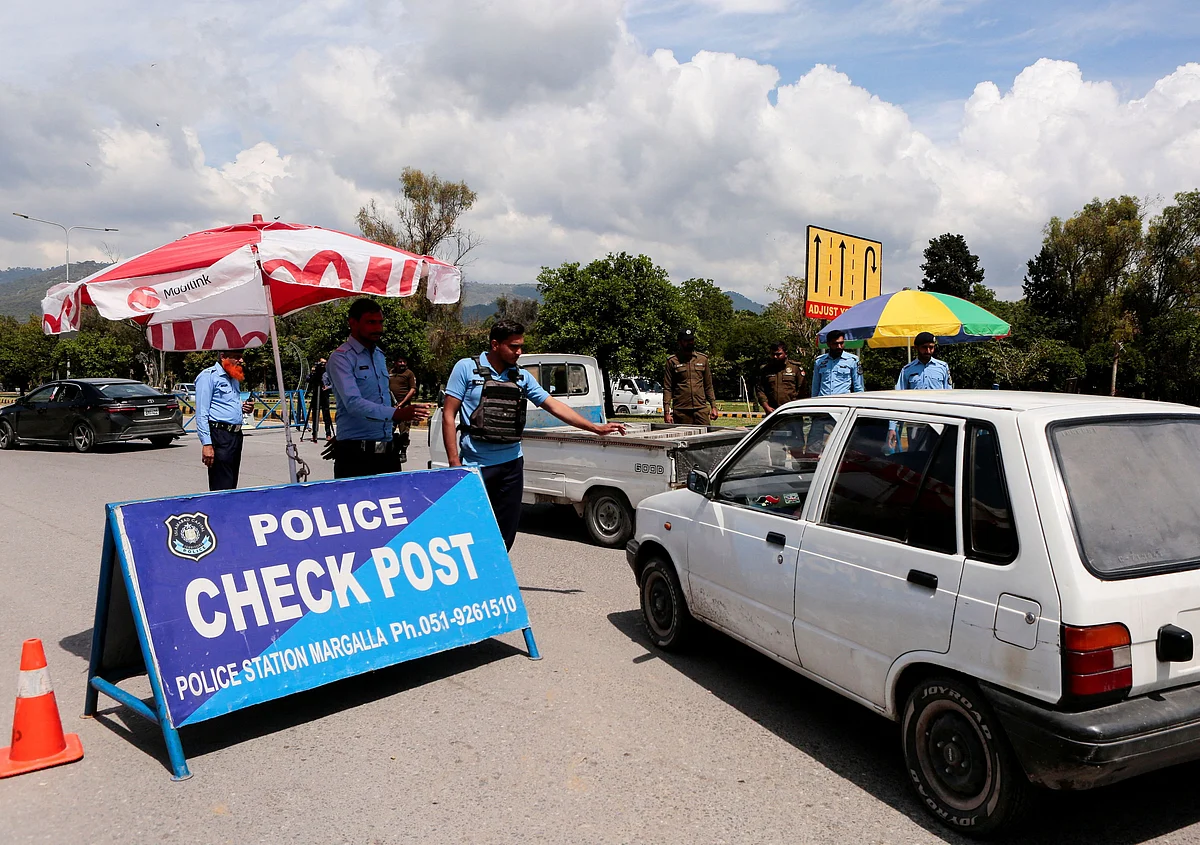
According to a senior security official, authorities have ordered the closure of all bus stations in Rawalpindi and Islamabad from 11pm Thursday (April 16, Pakistan time), while public transport will be barred from entering the twin cities as part of a clampdown ahead of the talks.
“The government has asked the capital administration and security agencies to leave no stone unturned in preparing for the second round of US–Iran negotiations in Islamabad,” the official said, speaking on condition of anonymity.
“Security institutions have been alerted that several high-profile leaders are likely to visit the capital for this high-stakes event.”
The spokesperson for Pakistan's foreign ministry, however, said on Thursday that no dates have been decided yet for the second round of talks between US and Iran.
Stay up to date with the latest news. Follow KT on WhatsApp channels.
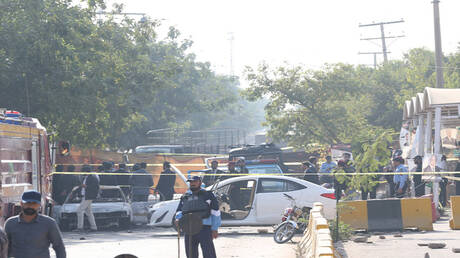
Islamabad’s Red Zone has been turned into a virtual fortress ahead of the talks, with maximum-security lockdown in place. The area is under red alert, backed by army deployment, container barricades, and strict access controls, allowing entry only to authorised personnel.
Last week, the federal capital was placed on high alert, with more than 10,000 police and security personnel deployed to keep the city on a tight leash during the talks.
The multi-layered security umbrella was overseen by the military and supported by paramilitary units such as the Rangers, along with personnel from the Islamabad and Punjab police forces.
Traffic diversions and road closures were rolled out across the city to ensure smooth sailing for the visiting delegations. Emergency services and hospitals were also placed on high alert.
ملاحظة تحريرية | Editorial Note: نُشر هذا المقال في الأصل بواسطة Khaleej Times. خبر (Khabr) هي منصة إعلامية أردنية مرخّصة تعمل بالذكاء الاصطناعي. نضيف قيمة تحريرية من خلال: تحليل ذكي للأخبار، ملخصات تلقائية، رواية صوتية بالذكاء الاصطناعي، ترجمة متعددة اللغات، وتدقيق الحقائق. هدفنا جعل الأخبار أكثر وضوحاً وسهولةً للقارئ العربي.
This article was originally published by Khaleej Times. Khabr is a licensed Jordanian AI-powered news platform (Registration #82086). We add editorial value through: AI-powered news analysis, automated summaries, AI audio narration, multi-language translation (Arabic, English, French, Turkish), and AI fact-checking. Our mission is to make news more accessible and understandable for Arabic-speaking audiences worldwide.