OTS and C6 meet Korea: Toward a Turkic-Altaic future
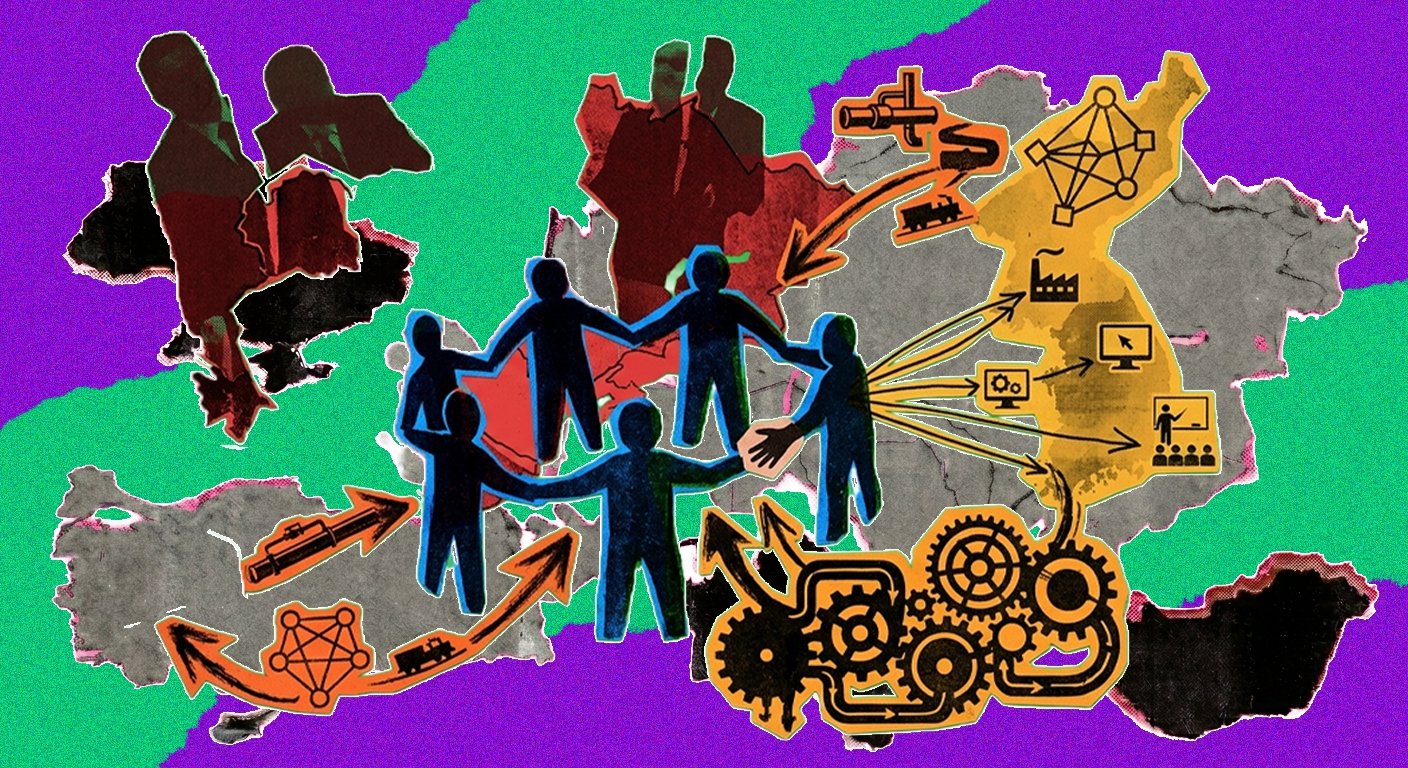
The transformation currently unfolding in Central Asia may appear incremental at first glance, yet it, in fact, represents one of the most consequential shifts in Eurasian regional dynamics in recent years. With Azerbaijan’s formal inclusion in the Consultative Meetings of Central Asian States, the long-standing C5 framework has evolved into what can meaningfully be described as C6. This transition is not merely a technical expansion of membership; rather, it reflects a deeper structural reconfiguration of how regional cooperation is conceptualized, organized, and practiced across Eurasia. At its core, the emergence of C6 signals the consolidation of a more autonomous and internally driven regional order. For much of the post-Soviet period, Central Asia’s external engagements were largely mediated through “C5 1” formats, in which major powers such as the United States, Russia, China, the European Union, Japan and Korea engaged the region collectively. While these mechanisms contributed to dialogue and economic cooperation, they were inherently shaped by external agendas. Today, however, Central Asian states are increasingly asserting their own agency, seeking to construct cooperative frameworks grounded in shared regional priorities rather than external strategic competition.المصدر: Daily Sabah EN | Source: Daily Sabah EN
ملاحظة تحريرية | Editorial Note: نُشر هذا المقال في الأصل بواسطة Daily Sabah EN. خبر (Khabr) هي منصة إعلامية أردنية مرخّصة تعمل بالذكاء الاصطناعي. نضيف قيمة تحريرية من خلال: تحليل ذكي للأخبار، ملخصات تلقائية، رواية صوتية بالذكاء الاصطناعي، ترجمة متعددة اللغات، وتدقيق الحقائق. هدفنا جعل الأخبار أكثر وضوحاً وسهولةً للقارئ العربي.
This article was originally published by Daily Sabah EN. Khabr is a licensed Jordanian AI-powered news platform (Registration #82086). We add editorial value through: AI-powered news analysis, automated summaries, AI audio narration, multi-language translation (Arabic, English, French, Turkish), and AI fact-checking. Our mission is to make news more accessible and understandable for Arabic-speaking audiences worldwide.