⚡ عاجل: كريستيانو رونالدو يُتوّج كأفضل لاعب كرة قدم في العالم●⚡ أخبار عاجلة تتابعونها لحظة بلحظة على خبر●⚡ تابعوا آخر المستجدات والأحداث من حول العالم●
AI اقتراحات ذكية
AI مباشر|--مشاهد مباشر
896,151مقال401مصدر نشط228قناة مباشرة5,163خبر اليوم
آخر تحديث:منذ 3 ثواني
Oil crashes 10%+ as Iran flips script: Hormuz 'open' after Israel-Lebanon truce
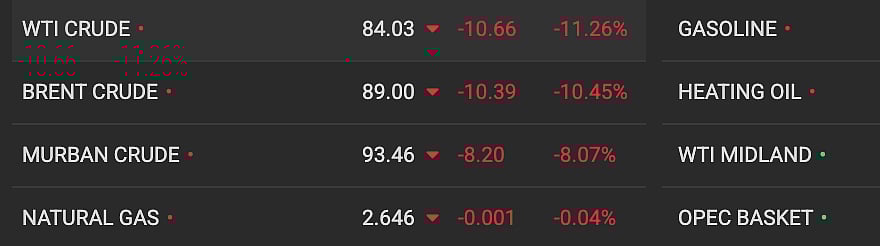
Oil futures tanked on Friday following a statement by Iran Foreign Minister Abbas Araghchi, reflecting trader relief that the immediate risk of a supply shock had receded.
The move marks a notable de-escalation by Tehran.
Brent crude fell (down 11.26% to $84.03 as of 9.50 Beijing time); US West Texas Intermediate (WTI) futures down 10.45% to $89 late on Friday as traders anticipated a potential return of supply.
The announcement eased fears of a prolonged shutdown triggered by conflict.
Iranian Foreign Minister Abbas Araghchi said the strait — a narrow chokepoint through which roughly one-fifth of the world’s crude and liquefied natural gas typically flows — will remain open for all commercial vessels under routes coordinated by Iran’s maritime authorities for the duration of a 10-day cease-fire between Israel and Hezbollah.
The declaration was made public about 1:25 pm GMT Friday (4.25pm Gulf Standard Time | 9.25pm Tokyo).
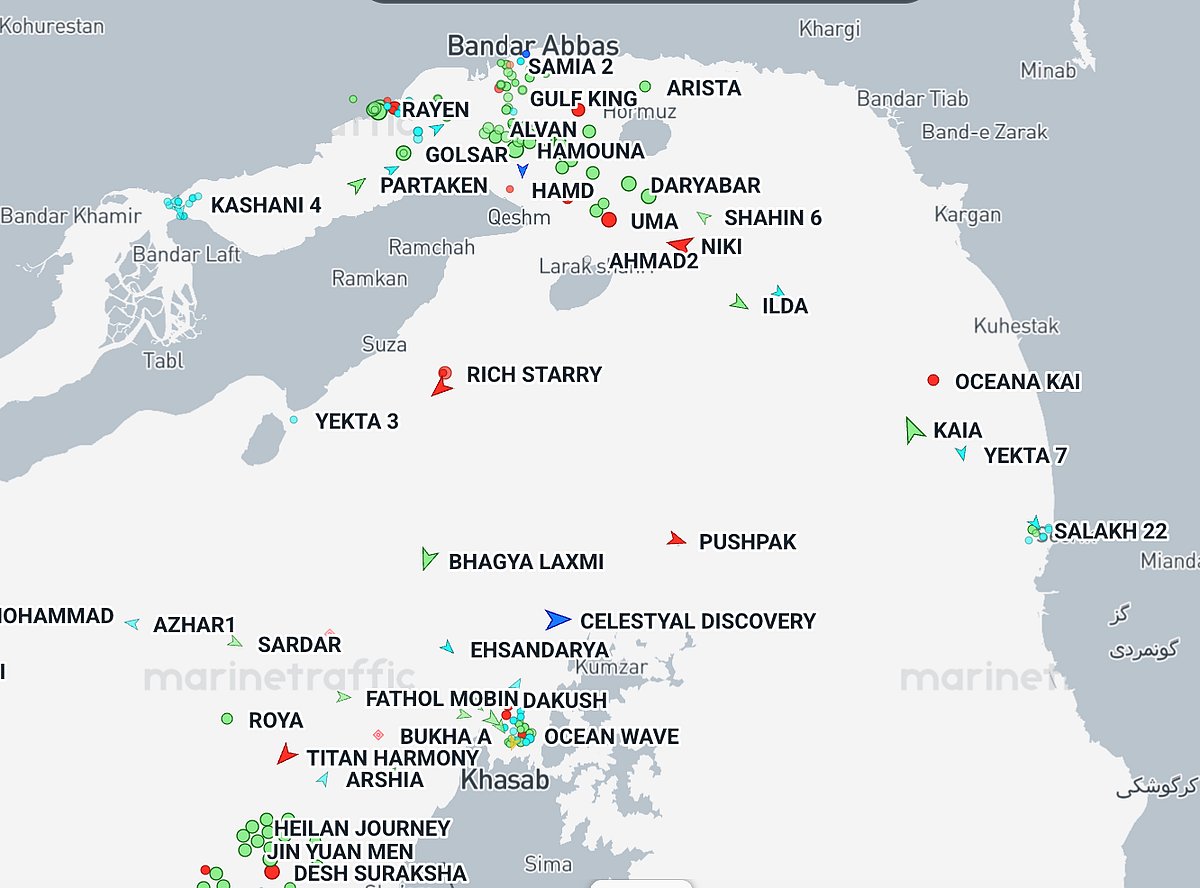
Commercial ship traffic in the Hormuz Strait (at 1.51pm GMT, Friday, April 17, 2025), as per tracker Marine Insight. Iran's declaration that Hormuz was "completely open" was made public about 1:25 pm GMT Friday (4.25pm Gulf Standard Time | 9.25pm Tokyo) April 17, 2026.
By tying the reopening explicitly to the Israel-Lebanon ceasefire, Iranian officials framed the decision as responsible stewardship rather than capitulation.
Araghchi, a veteran diplomat who helped negotiate the 2015 Iran nuclear deal, has emerged as the public face of Tehran’s current foreign policy.
In line with the ceasefire in Lebanon, the passage for all commercial vessels through Strait of Hormuz is declared completely open for the remaining period of ceasefire, on the coordinated route as already announced by Ports and Maritime Organisation of the Islamic Rep. of Iran.
His statement was quickly amplified by Iranian state media and pro-Iranian accounts online, many of which portrayed the reopening as proof of Iran’s strategic influence and commitment to “peace through strength.”
International reaction was muted but watchful.
Shipping companies and energy traders said they were monitoring compliance with the announced route.
The Hormuz Strait, which connects the Arabian Gulf to the Gulf of Oman, is only about 21 miles wide at its narrowest point. Roughly 20 million barrels of oil pass through it daily, making it one of the most strategically sensitive waterways on the planet.
US officials had no immediate comment, though the Trump administration had previously warned against any Iranian attempt to close the strait.
Hormuz open again
For now, the waterway that had loomed as a flashpoint is open again — at least for the duration of a fragile truce half a world away.
Global oil markets were roiled after Hormuz was declared “completely open” to commercial shipping during a cease-fire in the Middle East, even as vessel traffic remains far below normal levels and geopolitical risks.
Despite Iran’s statement, maritime sources and Red Sea traffic posts indicate that actual vessel movements are still well below pre-conflict norms.
Early reports suggesting only a handful of tankers and merchant ships have moved through the strait this week — though numbers are increasing compared with the near-paralysis seen during the height of hostilities.
Tanker squeeze
The reopening comes weeks after Tehran effectively closed the waterway in response to escalating tensions with the United States and Israel, and just days after Washington imposed a naval blockade of Iranian ports.
The closure had significantly disrupted global energy exports, spiking price volatility.
While Friday’s declaration and market reaction suggest traders are pricing in some easing of supply constraints, analysts caution that full normalisation of transit will depend on the durability of the cease-fire and continued diplomatic progress.
Israeli forces and Hezbollah have accused each other of violations in the hours since the truce began, raising questions about how long the Hormuz opening will last.
A prolonged Hormuz closure or restrictions would have sent oil prices soaring and threatened energy security for Asia, Europe and the United States.
ملاحظة تحريرية | Editorial Note:
نُشر هذا المقال في الأصل بواسطة Gulf News.
خبر (Khabr) هي منصة إعلامية أردنية مرخّصة تعمل بالذكاء الاصطناعي.
نضيف قيمة تحريرية من خلال: تحليل ذكي للأخبار، ملخصات تلقائية، رواية صوتية بالذكاء الاصطناعي، ترجمة متعددة اللغات، وتدقيق الحقائق.
هدفنا جعل الأخبار أكثر وضوحاً وسهولةً للقارئ العربي.
This article was originally published by Gulf News.
Khabr is a licensed Jordanian AI-powered news platform (Registration #82086).
We add editorial value through: AI-powered news analysis, automated summaries, AI audio narration, multi-language translation (Arabic, English, French, Turkish), and AI fact-checking.
Our mission is to make news more accessible and understandable for Arabic-speaking audiences worldwide.
هذا الخبر ضمن تغطية خبر لقسم اقتصاد.
نقدّم لك تحليلات ذكية وملخصات يومية لأهم الأخبار من مصادر موثوقة متعددة.
المصدر: Gulf News.
يوجد 6 مقالات مرتبطة بهذا الموضوع.
This article is part of Khabr's coverage of Economy.
We provide AI-powered analysis, summaries, and multi-source aggregation to keep you informed.
Source: Gulf News.
Tags: oil, market crash, Iran.
🍪 نستخدم ملفات تعريف الارتباط لتحسين تجربتك وعرض الإعلانات المخصصة. باستخدامك للموقع، فإنك توافق على سياسة ملفات تعريف الارتباط وسياسة الخصوصية.
We use cookies to enhance your experience and show personalized ads. By using this site, you agree to our Cookie Policy and Privacy Policy.
🔍
FREEFree 1GB Internet + Free International Calls
$1 trial — eSIM in 190+ countries — No roaming charges