تحليل ذكي | AI Editorial Analysis
•A nutrition expert has shared some tips around protein as there are some common mistakes about this important nutrient.
•He spoke about when it's best to eat the important nutrient and also what foods you are surprisingly high in protein.
•Protein plays a key role in maintaining and growing muscle, which is particularly important for your strength, metabolism and resilience, especially as you get older.
هذا الخبر من Mirror. خبر يقدم أدوات ذكاء اصطناعي للتلخيص والترجمة والاستماع.
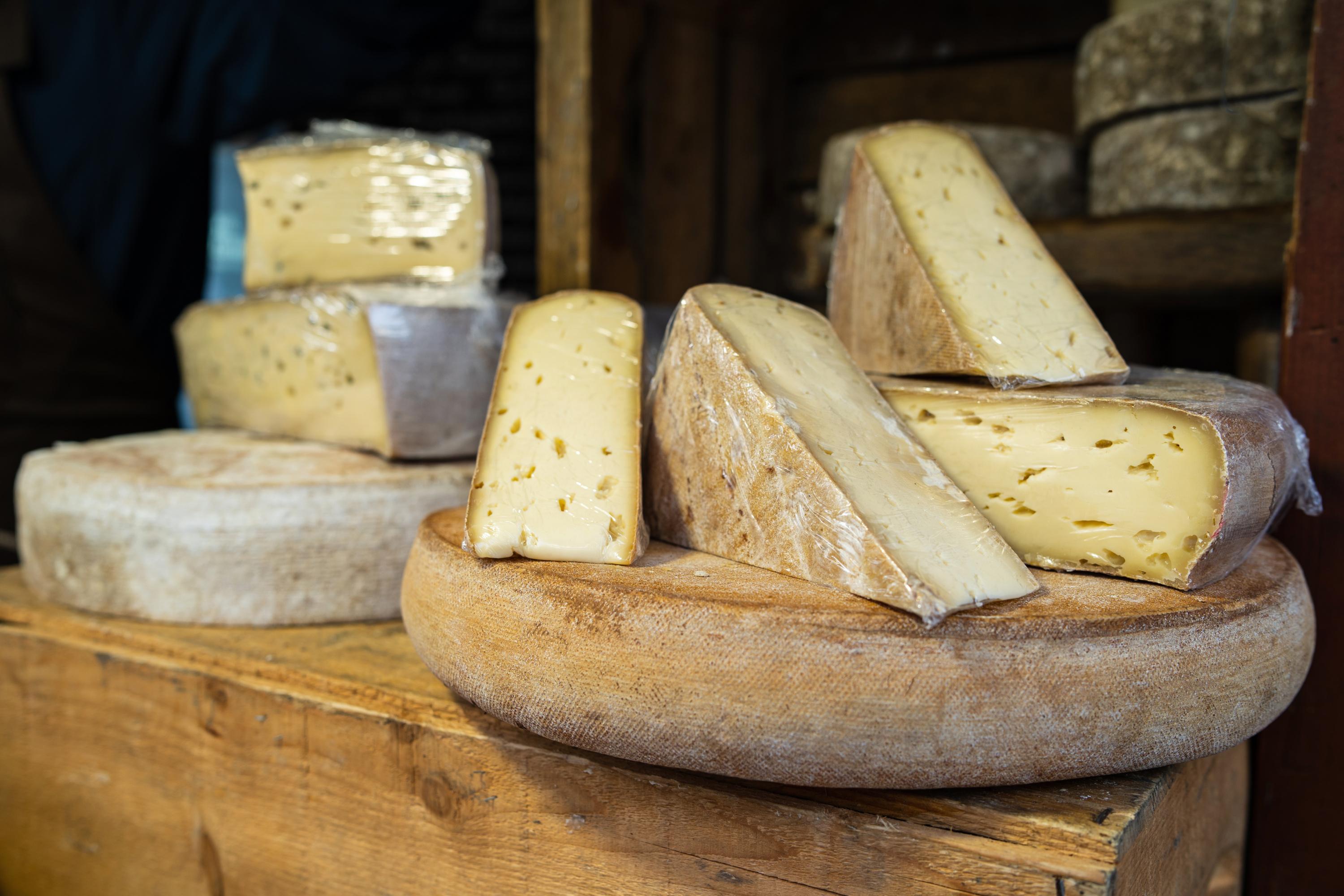
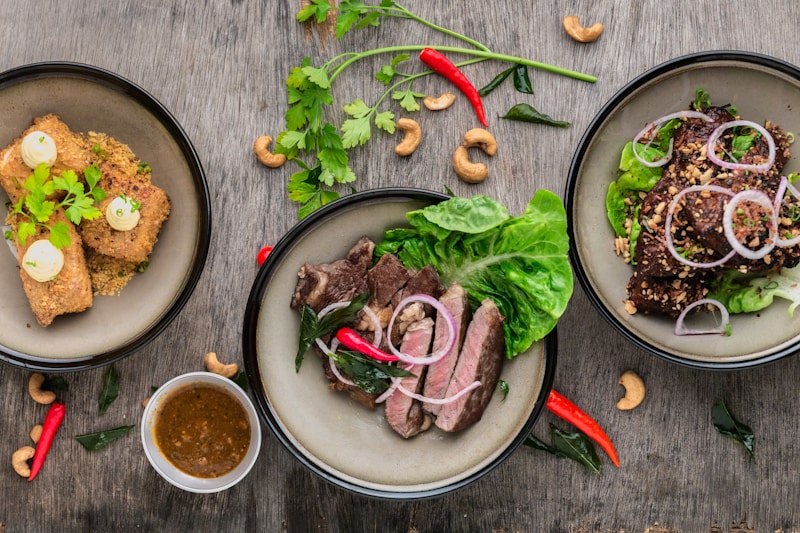
A nutrition expert has shared some tips around protein as there are some common mistakes about this important nutrient. He spoke about when it's best to eat the important nutrient and also what foods you are surprisingly high in protein. Protein plays a key role in maintaining and growing muscle, which is particularly important for your strength, metabolism and resilience, especially as you get older. Rob Hobson, nutrition expert and author, shared some tips for making sure you get enough protein in your diet . One common mistake he warned against is having one big meal a day where you have most of your protein. He said: "If most of your protein is concentrated in your evening meal, with very little at breakfast or lunch then this is not ideal. A more effective approach is to stack protein intake more evenly across the day." He said by eating protein at regular intervals over the day, you give your body more consistent support in maintaining muscle. He recommends having around 20g to 30g of protein in each meal. You may want to adjust this depending on your age, body size and how much activity you do. The expert warned that breakfast is often the "weakest link" in getting in sufficient protein. He offered a simple solution: "An easy way to add protein is by topping up a yoghurt with a handful of chopped pistachios and seeds. People often have them in their cupboard and it can make a big difference." When it comes to deciding what foods to eat to get your protein, Mr Hobson recommends a "food-first, minimally processed approach". He said these foods are good sources of protein: Lean animal proteins - chicken, turkey, eggs and fish are high-quality sources, providing all essential amino acids. Oily fish like salmon or mackerel also provide omega-3 fats, which support heart and metabolic health Dairy - Greek yoghurt and cottage cheese are good sources as they are protein-dense and convenient. Mr Hobson said zero percent fat yoghurt contains more protein than full fat, and skyr is particularly high in protein Plant proteins - lentils, beans, chickpeas, tofu and nuts are a good example. Mr Hobson said pistachios are a good choice: "Pistachios offer a particularly nutrient‑rich mix of plant protein, fibre and antioxidants. They are really good additions because they are not just for protein, but for fibre and polyphenols, which support gut health." He said it's important to have some variety as to where you get your protein from, as different sources have their own nutritional 'package'. He explained: "Some plant proteins tend to be lower in certain amino acids but bring fibre and micronutrients, whereas animal proteins are more concentrated in amino acids but lack fibre." Mr Hobson said protein has a particular important role as you advance in years. He said: "Protein becomes more important as we age because there's a gradual decline in muscle mass and strength which is often compounded by eating less or being less active. Resistance training is the key driver for maintaining muscle, and protein supports this by providing the building blocks for repair and growth, with the combination of the two being most effective." Fortunately, you may be getting more protein than you think from certain foods. Mr Hobson said he thinks it can be "overplayed on social media" that people are not eating enough protein, whereas many common foods do provide the nutrient. He listed some protein-rich foods you may not think of: Tinned beans – these are often seen as a carbohydrate, but they can deliver 6 to 8g of protein per half tin, plus fibre Lentils – Similar to beans these deliver around 8 to 9g per 100g cooked Frozen peas – providing 5g per 100g and easy to add into meals Cooked pasta – typical serving of 180 to 200g cooked provides 7 to 10g of protein, depending on the type of pasta Two slices of white bread - 9g protein Wholegrains like oats – roughly 10 to 12g per 100g dry weight Pistachios - Mr Hobson revisited his penchant for pistachios on this point: "Most people know nuts are a good source of protein, but pistachios sit toward the higher end with 6g per serving. They also provide fibre and healthy fats, making them a smart way to stack protein across meals and snacks." Five portions of vegetables - this can contribute around 8 to 10g of protein across the day, especially if you include options like peas, broccoli, spinach, sweetcorn and Brussels sprouts.
المصدر: Mirror
| Source: Mirror
ملاحظة تحريرية | Editorial Note:
نُشر هذا المقال في الأصل بواسطة Mirror.
خبر (Khabr) هي منصة إعلامية أردنية مرخّصة تعمل بالذكاء الاصطناعي.
نضيف قيمة تحريرية من خلال: تحليل ذكي للأخبار، ملخصات تلقائية، رواية صوتية بالذكاء الاصطناعي، ترجمة متعددة اللغات، وتدقيق الحقائق.
هدفنا جعل الأخبار أكثر وضوحاً وسهولةً للقارئ العربي.
This article was originally published by Mirror.
Khabr is a licensed Jordanian AI-powered news platform (Registration #82086).
We add editorial value through: AI-powered news analysis, automated summaries, AI audio narration, multi-language translation (Arabic, English, French, Turkish), and AI fact-checking.
Our mission is to make news more accessible and understandable for Arabic-speaking audiences worldwide.