⚡ عاجل: كريستيانو رونالدو يُتوّج كأفضل لاعب كرة قدم في العالم●⚡ أخبار عاجلة تتابعونها لحظة بلحظة على خبر●⚡ تابعوا آخر المستجدات والأحداث من حول العالم●
AI اقتراحات ذكية
AI مباشر|--مشاهد مباشر
845,431مقال403مصدر نشط224قناة مباشرة4,822خبر اليوم
آخر تحديث:منذ 0 ثانية
No deal after 21 hours of talks: Why US-Iran marathon negotiations collapsed in Pakistan
The United States and Iran failed to reach a deal after marathon negotiations in Islamabad, with Washington insisting Tehran would not give the required commitment to abandon the pursuit of a nuclear weapon. The breakdown leaves the fragile two-week ceasefire in uncertainty.
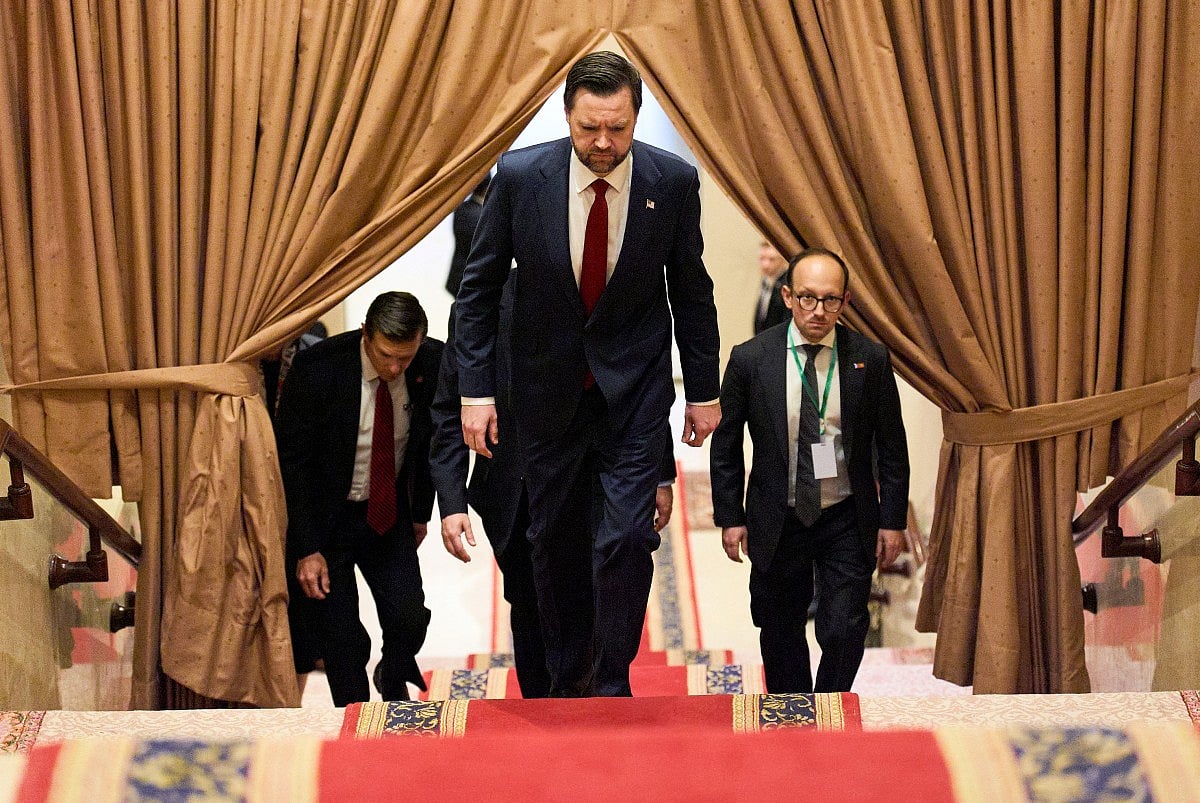
US Vice President JD Vance, who led the American delegation, said 21 hours of talks did not produce “an affirmative commitment” from Iran to forgo nuclear weapons or the capabilities needed to develop them.
Get updated faster and for FREE: Download the Gulf News app now - simply click here.
Nuclear demands at the centre of collapse
Vance said the US position required a “fundamental commitment” from Iran that it would not pursue nuclear weapons.
“That is the core goal of the president of the United States,” he said, adding that he remained in constant contact with President Donald Trump throughout the negotiations.
Washington said it presented what it called a “final and best offer” after hours of discussions, but no agreement was reached.
Vice President JD Vance gives an update in Pakistan:
"The simple fact is that we need to see an affirmative commitment that they will not seek a nuclear weapon, and they will not seek the tools that would enable them to quickly achieve a nuclear weapon." pic.twitter.com/il4THN5DwV
Iran rejected US demands as “unreasonable”, with state media saying progress was blocked by Washington’s position on nuclear restrictions and regional issues.
Iranian officials said the talks were held amid deep mistrust following weeks of conflict, arguing it was unrealistic to expect a breakthrough in a single round of negotiations.
Tehran also raised “red lines” including sanctions relief, wartime compensation and limits on Israeli military action in Lebanon.
Prime Minister Muhammad Shehbaz Sharif held a meeting with the Iranian delegation at the Islamabad Talks today.
The Iranian side was led by the Honorable Speaker of the Iranian Consultative Assembly, Mr. Mohammad Bagher Ghalibaf, assisted by Foreign Minister of the Islamic… pic.twitter.com/uUzzd6njy7
— Government of Pakistan (@GovtofPakistan) April 11, 2026
Strait of Hormuz adds pressure
Tensions escalated during the talks after the US said two destroyers transited the Strait of Hormuz as part of mine-clearing operations — a claim Iran disputed.
The strategic waterway, through which a significant share of global oil flows, emerged as a key point of leverage and disagreement between the two sides.
Lebanon conflict complicates wider deal
Israel’s continued strikes in Lebanon, including operations against Hezbollah, have further complicated negotiations.
Lebanese authorities said more than 2,000 people have been killed since the war began, while Israel has ruled out a ceasefire with Hezbollah.
21 hours of high-stakes diplomacy
Vance said he spoke with Trump multiple times during the negotiations and also consulted senior officials including the Secretary of State and Treasury Secretary.
“We were negotiating in good faith,” he said, adding that the US delegation remained aligned behind a single proposal.
Ceasefire now under strain
Vance gave no indication of what comes next after the 14-day ceasefire agreed between the US, Iran and Israel. Pakistani mediators urged both sides to maintain the truce and avoid escalation.
“It is imperative that the parties continue to uphold their commitment to ceasefire,” Pakistan’s Foreign Minister Ishaq Dar said, adding that Islamabad would continue efforts to facilitate further dialogue.
Officials warned that without renewed engagement, the risk of renewed escalation remains high.
What happens next
With no agreement reached, attention now shifts to whether diplomatic efforts can resume or whether the ceasefire unravels, deepening regional instability across the Middle East.
Ceasefire remains fragile with no clarity on next steps
Risk of renewed strikes on Iran has increased after failed talks
Strait of Hormuz dispute unresolved, reopening through talks unlikely
US signals military-backed approach with warship deployment in Gulf
Nuclear issue remains central sticking point between both sides
Iran denies weapons ambition but tensions fuel hardline positions
Talks seen as historic but likely to be viewed as diplomatic failure
ملاحظة تحريرية | Editorial Note:
نُشر هذا المقال في الأصل بواسطة Gulf News.
خبر (Khabr) هي منصة إعلامية أردنية مرخّصة تعمل بالذكاء الاصطناعي.
نضيف قيمة تحريرية من خلال: تحليل ذكي للأخبار، ملخصات تلقائية، رواية صوتية بالذكاء الاصطناعي، ترجمة متعددة اللغات، وتدقيق الحقائق.
هدفنا جعل الأخبار أكثر وضوحاً وسهولةً للقارئ العربي.
This article was originally published by Gulf News.
Khabr is a licensed Jordanian AI-powered news platform (Registration #82086).
We add editorial value through: AI-powered news analysis, automated summaries, AI audio narration, multi-language translation (Arabic, English, French, Turkish), and AI fact-checking.
Our mission is to make news more accessible and understandable for Arabic-speaking audiences worldwide.
هذا الخبر ضمن تغطية خبر لقسم سياسة.
نقدّم لك تحليلات ذكية وملخصات يومية لأهم الأخبار من مصادر موثوقة متعددة.
المصدر: Gulf News.
يوجد 6 مقالات مرتبطة بهذا الموضوع.
This article is part of Khabr's coverage of Politics.
We provide AI-powered analysis, summaries, and multi-source aggregation to keep you informed.
Source: Gulf News.
Tags: US-Iran, negotiations, collapse.
🍪 نستخدم ملفات تعريف الارتباط لتحسين تجربتك وعرض الإعلانات المخصصة. باستخدامك للموقع، فإنك توافق على سياسة ملفات تعريف الارتباط وسياسة الخصوصية.
We use cookies to enhance your experience and show personalized ads. By using this site, you agree to our Cookie Policy and Privacy Policy.
FREEFree 1GB Internet + Free International Calls
$1 trial — eSIM in 190+ countries — No roaming charges